
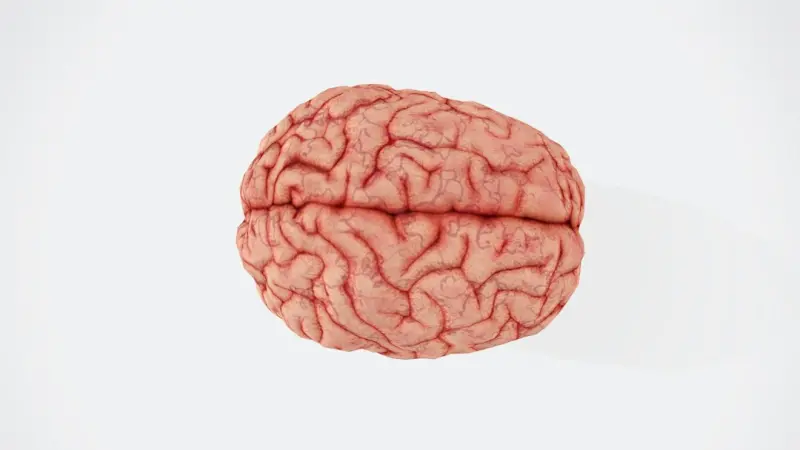
Why Your Brain Needs a Nutrition Plan, Too
When I first heard the term cognitive nutrition, I imagined a fancy smoothie blended with facts, figures, and a dash of dopamine. It sounded absurd—until I started tracking my own mental diet the same way I’d track my meals. The brain, after all, consumes roughly 20% of the body’s energy. Yet most of us think about feeding it only when we’re hungry for a snack of social media or a binge of news headlines. It’s time to treat mental intake with the same respect we give our bodies.
The Information Overload Epidemic
We live in an age where data is the new oxygen. It’s everywhere: push notifications, endless email threads, algorithm‑driven feeds, and the ever‑present hum of podcasts. While access to information is empowering, the constant bombardment creates a silent drain on cognitive resources. The result? Decreased focus, heightened anxiety, and a feeling that we’re always “running on empty.”
Enter the concept of an information diet. Just as a balanced meal includes protein, carbs, and healthy fats, a balanced mental diet includes:
- Quality content that nourishes curiosity and growth.
- Strategic pauses to allow digestion and consolidation.
- Playful engagement that sparks neuroplasticity.
These three pillars transform the way we interact with data, turning chaos into clarity.
Building Your Cognitive Plate
Creating a cognitive nutrition plan starts with awareness. Below is a step‑by‑step framework that I’ve refined over the past year, designed to be practical for anyone juggling work, family, and the endless stream of digital stimuli.
1. Audit Your Mental Intake
Spend a single day logging every piece of digital content you consume—articles, videos, social posts, meetings, even background news tickers. At the end of the day, categorize each item as:
- Essential – Directly supports your goals or well‑being.
- Enriching – Stimulates curiosity or offers new perspectives.
- Empty – Consumes time without adding value (click‑bait, endless scrolling).
This simple exercise often reveals that over 60% of our intake falls into the “Empty” category. Awareness alone creates the first space for change.
2. Curate High‑Quality Sources
Replace the “Empty” slots with carefully chosen sources that align with your personal and professional aspirations. Think of it like swapping out processed snacks for whole foods. For example, if you’re interested in health innovation, subscribe to a curated newsletter that filters research down to the most actionable insights. If creativity fuels your work, follow a handful of thought‑leaders who publish deep‑dive essays rather than surface‑level posts.
3. Schedule Digestion Breaks
Our brains need time to consolidate information—just as our digestive system needs rest after a big meal. Adopt the “20‑5‑20” rule: 20 minutes of focused reading or learning, followed by a 5‑minute micro‑break (stretch, glance out a window, breathe), then another 20‑minute session. This rhythm reduces mental fatigue and improves retention.
4. Integrate Playful Learning
Play isn’t just for kids; it’s a neurochemical catalyst. Research shows that playful engagement releases dopamine, which strengthens memory pathways. Incorporate activities that feel like play: solve a puzzle, doodle ideas in a sketchbook, or experiment with a new hobby. For a deeper dive into how curiosity fuels mental wellness, check out Playful Minds: Childlike Curiosity for Mental Wellness. The article outlines practical ways to sprinkle curiosity into daily routines.
5. Leverage Technology Wisely
Technology can be both a villain and a hero. The key is intentional use. AI tools, for instance, can act as personal knowledge curators, sifting through data and surfacing only the most relevant insights. I recently explored this concept in a piece titled Turning Information Overload into Insight: AI as Your Personal Knowledge Alchemist. The article demonstrates how to set up AI‑driven feeds that respect your cognitive limits, turning the flood of data into a filtered stream you can actually drink.
The Role of Physical Environment in Cognitive Nutrition
While the focus here is mental intake, the environment you inhabit acts like a plate that either enhances or diminishes the quality of your diet. Natural light, plants, and even subtle scents can boost alertness and mood. If you’re working from a home office, consider adding a small desk‑top succulent or a diffuser with rosemary oil—both have been shown to improve concentration.
Case Study: From Overwhelmed to Optimized
Three months ago, I was in the middle of a product launch and felt like my brain was on permanent standby mode. My inbox was a constant buzz, my Slack notifications never ceased, and I was consuming five podcasts a day while scrolling through endless industry forums. The result? Sleepless nights, irritability, and a creeping sense that I was “just going through the motions.”
Applying the cognitive nutrition framework, I:
- Logged my intake and discovered 70% of my digital consumption was “Empty.”
- Unsubscribed from two low‑value newsletters and set a strict “no‑phone” window from 9 pm to 6 am.
- Introduced a 20‑5‑20 rhythm during work hours, using a timer to enforce breaks.
- Allocated 30 minutes each evening to a playful hobby—painting abstract shapes while listening to instrumental jazz.
The impact was profound. Within two weeks, my focus sharpened, I slept deeper, and I reclaimed a sense of enthusiasm for my work. The mental fog lifted, and I felt energized enough to brainstorm new features without the usual mental drag.
Practical Tools to Get Started
Here are a few low‑cost tools that can help you implement cognitive nutrition:
- Digital wellbeing apps (e.g., Freedom, StayFocusd) to block distracting sites during focus windows.
- Note‑taking platforms (e.g., Notion, Roam) to capture insights and revisit them later, ensuring that valuable information isn’t lost.
- AI summarizers (e.g., ChatGPT, SummarizeBot) to condense long articles into bite‑size takeaways.
- Physical timers (or phone timers) to enforce the 20‑5‑20 rhythm.
- Ambient sound generators (e.g., Noisli) to create a soothing auditory backdrop during deep work.
The Science Behind Cognitive Nutrition
Neuroscientists refer to the brain’s capacity to process information as “cognitive bandwidth.” When bandwidth is constantly taxed, the brain’s prefrontal cortex—responsible for executive functions like decision‑making and impulse control—gets exhausted. This leads to poorer judgment, increased stress hormones, and a weakened immune response.
Conversely, a well‑structured mental diet supports neurogenesis (the creation of new neurons) and strengthens synaptic connections. Studies on “brain‑derived neurotrophic factor” (BDNF) show that activities like learning a new language, engaging in moderate physical movement, and even exposure to natural environments raise BDNF levels, which correlates with improved mood and memory.
Integrating Cognitive Nutrition with Existing Health Routines
If you already have a fitness or nutrition routine, think of cognitive nutrition as the third leg of your wellness tripod. For instance:
- Before a workout, spend 5 minutes reviewing a single insightful article rather than scrolling through multiple feeds.
- During a meal, practice mindful eating while listening to a short, educational podcast—no multitasking with emails.
- After a workout, journal a quick reflection on what you learned that day; this reinforces memory consolidation.
This synergy creates a feedback loop where physical and mental health amplify each other.
Addressing Common Objections
“I don’t have time.” The paradox is that a scattered mental diet actually wastes time. By streamlining your intake, you reclaim hours that were previously spent “processing” low‑value content.
“I’ll miss out on trends.” Curated sources can be set to deliver only the most relevant updates. You won’t be left behind; you’ll be ahead, with a clear, focused perspective.
“I’m not a tech‑savvy person.” You can start with simple tools—just a notebook to log intake and a timer for breaks. Technology can be introduced gradually as you become comfortable.
Future‑Facing Perspective
As AI continues to evolve, the line between information and overload will blur further. The people who thrive will be those who have mastered the art of cognitive nutrition—who can ingest, filter, and transform data into actionable knowledge without drowning. The next wave of “mental fitness” certifications will likely include modules on information diet management, just as today’s personal trainers incorporate nutrition advice.
Take the First Bite
Ready to start feeding your brain the right way? Here’s a quick 7‑day starter plan:
- Day 1: Log all digital consumption for 24 hours.
- Day 2: Categorize each entry and identify “Empty” sources.
- Day 3: Unsubscribe or block at least three “Empty” sources.
- Day 4: Implement the 20‑5‑20 rhythm during work hours.
- Day 5: Add a 15‑minute playful activity (drawing, puzzles).
- Day 6: Introduce one AI summarizer to condense a long article.
- Day 7: Review the week, note improvements in focus, mood, and sleep.
Reflect on the changes, adjust as needed, and remember that, like any diet, consistency beats intensity. Your brain will thank you with sharper focus, steadier mood, and a renewed zest for learning.
Conclusion: The Power of a Mindful Menu
Cognitive nutrition isn’t a fleeting trend—it’s an essential, lifelong practice. By treating information like food, we empower ourselves to choose what fuels our thoughts, emotions, and actions. The result? A healthier brain, a sharper mind, and a life lived with intentional clarity.

Dale Peterson is a freelance writer with a passion for technology, travel, law and personal finance. With 10 years of experience crafting compelling and informative content, he's dedicated to delivering high-quality writing for Blogging Fusion that engages audiences and achieves specific goals.
Related Posts

Rebooting Your Body: Analog Strategies to Counter Digital Overload
Learn how tiny, screen‑free rituals—like the 20‑20‑20 eye reset, micro‑movements, and a pe... Read More

Breathing Into Balance: Simple Practices That Supercharge Your Body and Mind
Explore the science and practical steps behind breathwork, a zero‑cost health tool that balances t... Read More

Cold Exposure Therapy: Unlocking the Hidden Health Benefits of the Chill
Cold exposure therapy isn’t just a trendy challenge—it’s a science‑backed practice that acti... Read More
Top Posts

Travel as a Competitive Advantage: Building a SaaS‑Powered Nomad Workflow
Learn to transform every trip into a high‑performance work experience using VPNs, cloud collaboration, automated expense tracking, health‑tech integration, ...Read More

Crafting a Portfolio Career: Why the Gig Economy Is the New Full‑Time Job
Jill Hamilton shares her journey from a traditional corporate role to a diversified portfolio career, outlining practical steps, tools, and mindset shifts neede...Read More

From Garden Soil to Office Success: Rose DesRochers Redefines Home & Garden Living
Rose DesRochers shares her journey turning a garden desk into a high‑performing, eco‑friendly office, revealing the productivity and branding benefits of bl...Read More

Sleep in the Stream: Reclaiming Rest in a Binge‑Watching Culture
A deep dive into how constant streaming and screen exposure sabotage sleep, and actionable tips to restore restful nights without ditching your favorite shows....Read More
0 Comments
Post Comment
You will need to Login or Register to comment on this post!