
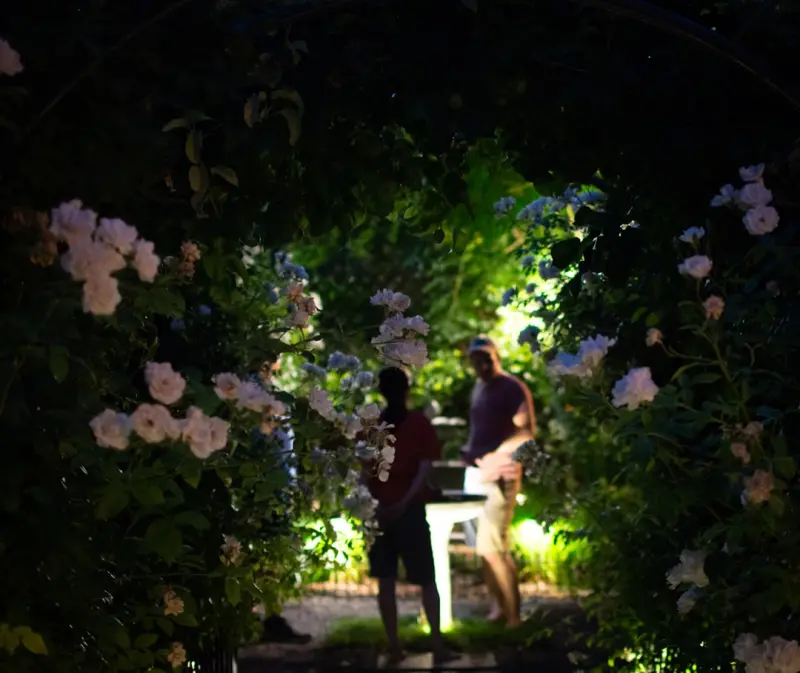
When Dusk Falls: Crafting a Nighttime Garden Oasis
There’s a special kind of magic that awakens as the sun dips below the horizon. The air cools, shadows lengthen, and the garden begins to hum with a different energy—one that invites you to linger, reflect, and unwind. As someone who has spent countless evenings on my own balcony, I’ve learned that a garden isn’t just a daytime sanctuary; it can become a nocturnal retreat that nourishes the senses in ways daylight never could.
Why a Nighttime Garden?
Most of us think of gardening as a sun‑lit activity: planting, pruning, harvesting. Yet the nighttime garden offers a set of benefits that complement those daytime chores:
- Extended living space: By lighting pathways and seating areas, you double the usable square footage of your yard.
- Calming ambiance: Soft illumination, gentle water sounds, and fragrant night‑blooming plants create a soothing environment that can ease the mind after a long day.
- Attracting nocturnal wildlife: Moths, fireflies, and night‑time pollinators add an element of wonder and support biodiversity.
In my own home, the nighttime garden has become the go‑to spot for late‑night brainstorming sessions, intimate dinner parties, and quiet moments of meditation. Below, I’ll walk you through the essential elements to consider when designing your own evening oasis.
1. Lighting with Purpose
Lighting is the heart of any night garden. Rather than relying on harsh floodlights, aim for layered illumination that guides the eye and sets the mood.
Soft Path Lights
Begin with low‑profile path lights that outline walkways and garden borders. Solar‑powered LED stakes are a sustainable choice; they charge during the day and glow gently at night. Place them about 2‑3 feet apart to create a subtle ribbon of light that invites you forward.
Accent and Spotlights
Use accent lights to highlight architectural features, sculpture, or a striking plant. Small uplights placed at the base of a tree can cast dramatic silhouettes, while a narrow beam aimed at a water feature adds sparkle without overwhelming the space.
String Lights & Lanterns
For a more whimsical vibe, drape warm‑glowing string lights across pergolas, trellises, or even a simple fence. Pair them with handcrafted lanterns—perhaps repurposed mason jars or bamboo cages—to add depth and a hint of nostalgia.
When choosing bulbs, opt for a color temperature around 2700‑3000K. This warm hue mimics the soft glow of a sunset and encourages relaxation, rather than the cool, blue light that can interfere with melatonin production.
2. The Soundscape
Sound is often overlooked in garden design, yet it can transform a space from merely visual to fully immersive. A gentle water feature is my favorite way to introduce soothing acoustics. Whether it’s a modest tabletop fountain or a larger tiered cascade, the trickle of water masks unwanted nighttime noise and creates a steady, calming rhythm.
If a fountain isn’t feasible, consider wind chimes tuned to a mellow scale. Position them where a light breeze can coax the metal or bamboo tubes to sway, producing delicate, melodic tones that echo through the night.
3. Scent that Lingers
The scent of a garden is most potent after the heat of the day fades. Certain plants release their fragrance under the cover of darkness, providing a subtle aromatherapy experience.
- Evening primrose (Oenothera): Flares open at dusk, offering a sweet, honey‑like aroma.
- Night-blooming jasmine (Cestrum nocturnum): Its powerful perfume can fill an entire patio.
- Four‑o’clock (Mirabilis jalapa): Blooms in the late afternoon and carries a gentle citrus scent.
- Sweet alyssum: Though often praised for daytime fragrance, its scent intensifies when the air cools.
Group these plants near seating areas or entry points so the fragrance greets you as you arrive. Remember to balance scented varieties with foliage that provides visual interest without overwhelming the nose.
4. Seating That Invites
Comfortable seating is essential for any garden designed for twilight enjoyment. Choose pieces that complement your overall aesthetic:
- Low, lounge‑style sofas: Covered in weather‑resistant fabrics, they create a laid‑back vibe perfect for stargazing.
- Benches with built‑in storage: Store extra blankets, cushions, or lanterns for quick access.
- Hammocks or swing chairs: The gentle motion can be hypnotic, especially when paired with a soft breeze.
Don’t forget to add plush cushions and throws in natural fibers—these not only boost comfort but also add layers of texture that become more visible under the glow of your lighting scheme.
5. Plant Selection for Night Appeal
While scent is a major factor, visual texture and color also matter. Choose plants that provide contrast against the darkness:
- Silver foliage: Plants like lamb’s ear (Stachys byzantina) or dusty miller (Senecio cineraria) reflect moonlight, creating a luminous effect.
- Dark, glossy leaves: The deep green of mahogany or rubber plant leaves absorb light, making surrounding illuminated elements pop.
- White or pale blooms: Flowers such as moonflower (Ipomoea alba) or white sage (Salvia apiana) become beacons in low light.
Consider layering these selections: place silver‑leafed plants near light sources to enhance their reflective quality, and tuck dark foliage in shaded corners to frame brighter elements.
6. Creating Flow with Zones
Even a modest garden can be divided into distinct zones that serve different purposes—an intimate nook for reading, a social hub for conversation, and a contemplative path for quiet walks. By establishing clear pathways and subtle visual cues, you can guide guests through the space intuitively.
For inspiration on how to make the most of limited square footage, check out our guide on tiny home transformations. The principles of zoning and clever furniture placement translate beautifully to outdoor settings, allowing you to maximize both function and ambiance.
7. Integrating Sustainable Practices
Even though this post isn’t about high‑tech smart lighting, you can still weave sustainability into your nighttime garden:
- Solar power: Choose solar‑charged lights and fountains to reduce electricity use.
- Rainwater harvesting: Collect runoff in barrels and use it to water your night‑blooming plants.
- Compost‑friendly planting: Incorporate a discreet compost bin tucked behind a screen or within a raised bed to turn kitchen scraps into nutrient‑rich soil for your evening garden.
8. The Ritual of Evening Arrival
One of my favorite personal practices is to treat my garden like a nightly ritual. I begin by dimming indoor lights, then step onto the patio where a gentle cascade of water greets me. I light a few lanterns, settle into my cushion, and breathe in the faint perfume of jasmine. This simple sequence signals to my brain that it’s time to unwind, making the transition from work to home feel intentional and restorative.
If you’re looking for ideas on how to weave calm practices into your daily routine, our piece on simple home rituals offers a collection of gentle habits that can be adapted to your garden moments.
9. Maintaining the Nighttime Garden
Keeping your evening oasis pristine doesn’t require a massive time commitment—just a few mindful habits:
- Weekly light checks: Ensure solar panels are clean and batteries are in good condition.
- Prune after blooms fade: This encourages fresh growth and prevents plants from becoming overly tangled.
- Refresh water features: Replace stagnant water regularly to avoid mosquito breeding.
- Seasonal scent rotation: Swap out fragrant plants as they finish blooming to maintain a dynamic aroma profile.
These simple steps keep the garden looking polished and ensure that each evening feels as inviting as the first.
10. Personal Touches That Make It Yours
Finally, infuse the space with elements that reflect your personality:
- Handcrafted wind chimes: Made from reclaimed wood or seashells.
- Outdoor rugs: Add color and comfort underfoot, especially on stone or concrete patios.
- Artwork: Weather‑proof sculptures or murals that become focal points after dark.
- Edible night‑blooming herbs: Such as lemon balm, which releases a citrus scent when brushed against.
These details turn a generic nighttime garden into a true extension of your home’s character.
Wrapping Up the Evening
Designing a nighttime garden is an act of invitation—inviting yourself, your family, and your friends to linger longer, breathe deeper, and savor the subtle beauties that emerge after sundown. By thoughtfully combining lighting, sound, scent, and sustainable practices, you create a space that not only looks stunning but also nurtures well‑being.
So, when the day’s demands fade and the first stars appear, step outside, turn on those soft lights, and let your garden become the sanctuary you’ve always imagined. The night is quiet, but it’s far from empty; it’s filled with possibilities, whispers of wind, and the gentle glow of a garden that knows how to shine after dark.

Amanda is a passionate writer exploring a kaleidoscope of topics from lifestyle to travel and everything in between.
Related Posts
Designing Outdoor Zones: Crafting Multi‑Use Spaces That Work for You
Discover a step‑by‑step approach to zoning your backyard, turning it into purposeful areas like ... Read More

From Garden Desk to Green Revolution: Jimmy Damon’s Blueprint for Home & Garden Success
Jimmy Damon shares his journey of transforming a backyard garden into a thriving workspace, revealin... Read More

The Rise of Garden Desks: Redefining Home Life and Work
Explore the garden desk revolution—how this outdoor workspace blends productivity, health benefits... Read More
Top Posts

Culinary Cartography: Mapping Flavor Trails on the Open Road
Discover the art of culinary cartography, a travel approach that uses flavor mapping to uncover hidden cultural gems, deepen immersion, and create unforgettable...Read More

The Joy of Unplanned Wandering: How Serendipity Fuels Deeper Travel Experiences
Explore why letting go of strict itineraries and following curiosity leads to unforgettable travel moments and lasting memories....Read More

Reclaiming Calm: Breathwork Strategies for a Busy World
Discover how intentional breathing can reset your nervous system, enhance focus, and reduce stress, with simple daily routines and tools for busy professionals....Read More
From My Garden Desk: How a Green Workspace Redefines Home & Garden Living
Rose DesRochers reveals how a garden‑centric workspace boosts focus, reduces stress, and fosters eco‑friendly living—plus actionable tips to start your ow...Read More
0 Comments
Post Comment
You will need to Login or Register to comment on this post!