

Why Energy‑Saving Matters in Every Home
When I first started tracking my household bills, I was shocked to see how much of my paycheck vanished into the meter’s silent tally. The realization that a few mindful adjustments could free up that cash sparked a small but powerful experiment that has now become a cornerstone of my daily routine. I began treating my home like a living system—one that rewards thoughtful maintenance with lower costs, steadier temperatures, and a quieter carbon footprint. Understanding where energy leaks occur is the first step; it turns abstract numbers into concrete opportunities for improvement, and that mindset has reshaped how I view every appliance, window, and even the layout of my furniture.
Kitchen: The Heartbeat of Energy Consumption
The kitchen is the most energy‑intensive room for most households, but a handful of tweaks can deliver dramatic savings without sacrificing culinary creativity. First, I swapped my old incandescent bulbs for LED strips under cabinets, which not only cut electricity use but also provide a pleasant glow for evening meals. Next, I organized my pantry so that I never leave the refrigerator door open longer than necessary—a habit that reduces cooling cycles by up to 15 %. Finally, I invested in a programmable induction cooktop; its precise heat control means I’m using just the power I need, and it cools down faster than traditional coils, lowering residual heat in the kitchen. For those seeking deeper insights on simplifying home systems, my functional minimalism guide offers a broader perspective on decluttering appliances that waste energy.
Living Room: Comfort Meets Efficiency
Living rooms often become the unofficial thermostat for the entire house, especially when family members gather for movies or games. I learned that a strategic placement of rugs can act as insulation for hardwood floors, preventing heat loss during winter and keeping rooms cooler in summer. Additionally, I upgraded my entertainment center with a smart power strip that automatically cuts power to standby devices, eliminating the infamous “phantom load” that accounts for roughly 5 % of an average home’s electricity use. By dimming lights during daylight hours and using sheer curtains to diffuse natural sunlight, I maintain a cozy ambiance while reducing reliance on artificial lighting. These subtle changes collectively shave off a noticeable portion of the monthly bill, proving that comfort and efficiency can coexist effortlessly.
Bedroom: Restful Nights and Lower Bills
Bedrooms are often overlooked in the energy‑saving conversation, yet they hold a surprising potential for reduction. I installed a programmable thermostat that lowers the temperature by a few degrees while I’m under the covers, capitalizing on the fact that a cooler sleeping environment can improve sleep quality. To further enhance insulation, I added a thick, breathable duvet that keeps me warm without cranking up the heat. Another trick involves using blackout curtains that not only block unwanted light but also act as thermal barriers, keeping heat out in summer and retaining warmth in winter. By pairing these practices with a simple habit of unplugging phone chargers when not in use, I’ve turned my bedroom into a sanctuary that supports both rest and a leaner utility bill.
Bathroom: Small Changes, Big Savings
The bathroom may seem like a minor player in the energy equation, but it’s actually a hotspot for water heating costs. I replaced my old showerhead with a low‑flow, aerating model that delivers the same pressure while using up to 40 % less hot water—a win for both the wallet and the planet. Installing a timer on the electric towel warmer ensures it only operates when needed, preventing unnecessary heating cycles. I also added a small insulated cabinet for toiletries, reducing the need to open and close cabinet doors repeatedly, which can cause minor temperature fluctuations. Finally, I made a habit of wiping down the faucet after each use, a simple gesture that prevents mineral buildup and maintains optimal water flow efficiency.
Laundry: Turning a Utility Drain into a Savings Source
Doing laundry is a necessary chore, but it can also be a stealthy energy drain if approached carelessly. I began loading the washing machine only when I have a full load, maximizing each cycle’s efficiency and cutting water use by up to 30 %. When possible, I select the cold‑water setting; modern detergents work just as well, and the energy saved from not heating water adds up quickly. For drying, I opted for a combination of a high‑efficiency dryer and air‑drying racks for delicate items, which reduces dryer runtime dramatically. I also placed a moisture‑absorbing dryer ball in each load to shorten drying time and soften fabrics naturally. For readers interested in streamlining home processes, my digital declutter strategies article offers a parallel approach to simplifying routines for greater peace of mind.
Outdoor and Garage: Extending Efficiency Beyond Walls
Energy conservation doesn’t stop at the front door; the garage and outdoor spaces can contribute significantly to overall usage. I sealed the garage door with weatherstripping, eliminating drafts that forced my home’s heating system to work harder during colder months. Adding reflective solar panels to the roof not only reduces heat absorption but also provides a modest boost to the household’s electricity generation, especially on sunny days. For garden irrigation, I installed a rain sensor that disables the sprinkler system when natural precipitation is sufficient, preventing over‑watering and saving both water and the energy needed for pump operation. Simple landscaping choices, like planting wind‑break shrubs, also shield the house from gusts that can increase heating demands.
Putting It All Together: A Weekly Energy‑Saving Checklist
To keep these practices from slipping into the background, I created a concise weekly checklist that fits on a fridge magnet. Each Sunday, I walk through the list: verify thermostat settings, inspect LED functionality, confirm that smart power strips are active, and review laundry loads for efficiency. I also perform a quick visual inspection of seals around doors and windows, tightening any that have shifted over time. By dedicating just ten minutes to this routine, I maintain momentum and catch any new energy leaks before they become costly habits. The result is a home that feels more comfortable, runs more smoothly, and contributes to a healthier planet—all without major renovations or expensive upgrades.

Margaret Thomson is a seasoned freelance writer specializing in the dynamic worlds of marketing and advertising. With a career deeply rooted in the marketing field, Margaret brings a wealth of practical experience and insightful knowledge to her writing.
Related Posts

Crafting a Multi‑Sensory Home Oasis: Simple Hacks for Everyday Bliss
Learn how to turn any room into a multi‑sensory oasis with practical tips for scent, sound, touch,... Read More

Designing a Multi‑Generational Home That Works for Everyone
A step‑by‑step guide to designing a home that balances the needs of grandparents, parents, and k... Read More
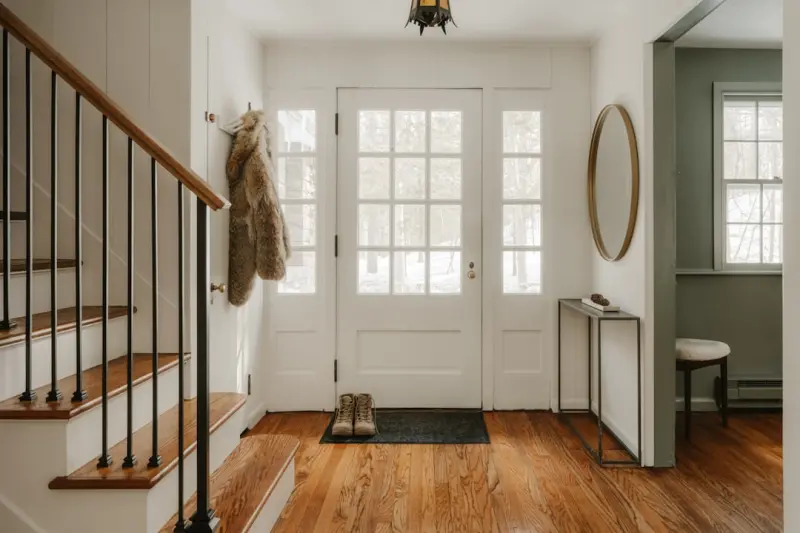
The Entryway Overhaul: Turning Your Front Door Space Into a Stress‑Busting Power Zone
A well‑designed entryway can lower stress and boost mood. Learn practical steps—decluttering, fu... Read More
Top Posts

Garden Desk Mastery: Transforming Home Life with Outdoor Workspaces
Turn your backyard into a thriving workspace. Learn design tips, productivity hacks, and seasonal care to make a garden desk the heart of your home life....Read More

Why Employee Side‑Projects Are the Secret Sauce for Sustainable Growth
Side‑projects aren't just hobbies—they're a strategic engine for innovation, skill development, and employee retention. Learn how to embed structured, purpo...Read More

When Algorithms Meet Empathy: Harnessing AI for Human‑Centric Decision‑Making
Artificial intelligence can be a powerful decision‑making partner, but only when it’s grounded in human values. This post outlines a three‑pillar framewor...Read More

Living in Motion: Turning Your Home Into a Flexible Wellness Hub
Learn practical steps to make your living space adapt to your daily rhythm, from movement audits to seasonal décor swaps, and turn your home into a flexible we...Read More
0 Comments
Post Comment
You will need to Login or Register to comment on this post!