
Beyond the Paycheck: Crafting a Career That Thrives on Purpose and Flexibility
When I first stepped into my first full‑time role, the biggest question on my mind was simple: Will this job pay the bills? Fast forward a decade, and the conversation has evolved. Today’s talent pool isn’t just hunting for a salary; they’re seeking workplaces that align with their personal mission, respect their boundaries, and adapt to the fluid rhythms of modern life. This shift is reshaping the very definition of “employment,” and it’s time we explore the under‑currents that are driving it.
The Rise of the “Purpose‑First” Employee
Purpose isn’t a buzzword anymore; it’s the new currency in the employment market. A purpose‑first employee measures a role by the impact it creates, not just the compensation it offers. Companies that embed a clear mission into every department see higher engagement, lower turnover, and a surge in innovation. The trick? Making purpose tangible.
- Define the impact. Rather than vague statements like “we aim to be the best,” articulate specific outcomes—e.g., “we help small businesses double their online sales within six months.”
- Connect daily tasks to the mission. When a software engineer sees how a new feature reduces carbon emissions for clients, the work feels meaningful.
- Celebrate purpose milestones. Publicly acknowledge teams that achieve impact goals; it reinforces the narrative that every role matters.
When purpose is woven into the fabric of the organization, employees naturally become ambassadors, sharing stories that attract like‑minded talent and customers alike.
Flexibility as a Core Benefit, Not a Perk
Remember the days when “flexibility” meant a occasional work‑from‑home day? Today, flexibility is a baseline expectation. It’s not a perk you grant; it’s a structural element of how work gets done.
- Outcome‑based performance. Shift the focus from hours logged to results delivered. This empowers employees to design their own schedules around peak productivity windows.
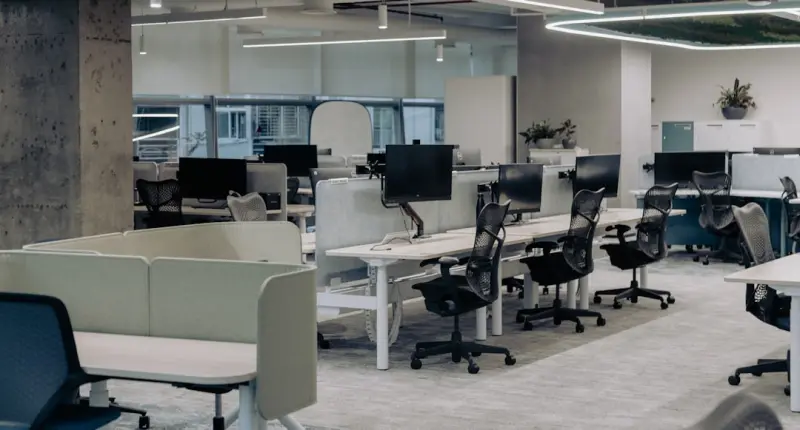
- Hybrid work ecosystems. Provide a seamless blend of in‑office collaboration spaces and robust remote tools. The goal is to eliminate friction, not create a “home‑office vs. office” dichotomy.
- Asynchronous communication. Encourage teams to adopt async updates (e.g., recorded video stand‑ups) so that colleagues across time zones can contribute without the pressure of immediate replies.
Flexibility also dovetails with mental health. By giving people control over when and where they work, you reduce the burnout that stems from rigid schedules.
Maintaining Digital Boundaries at Work
One of the biggest challenges in a hyper‑connected world is the erosion of personal time. The line between “working” and “living” can blur into an endless scroll of Slack messages and email alerts. Digital boundaries are no longer optional—they’re essential for sustainable performance.
Here are three tactics that leaders can champion:
- Set “quiet hours.” Designate daily windows where non‑urgent communications are paused. Communicate these windows clearly to clients and partners.
- Encourage “email free” evenings. Promote a culture where checking email after work is the exception, not the rule.
- Model behavior. When managers disconnect, their teams follow suit. Lead by example.
When employees feel safe to unplug, they return to work with sharper focus and renewed creativity.
AI as a Collaborative Partner in the Workplace
Artificial intelligence often conjures images of automation replacing human roles. But a more productive narrative positions AI as a collaborative partner that augments human decision‑making.
Consider these real‑world applications:
- Data‑driven talent insights. AI can analyze turnover trends, skill gaps, and employee sentiment, providing leaders with actionable recommendations for retention strategies.
- Personalized learning pathways. By assessing performance data, AI curates micro‑learning modules tailored to each employee’s growth objectives.
- Smart workload balancing. Predictive algorithms forecast project bottlenecks, enabling managers to redistribute tasks before burnout sets in.
When AI is framed as a teammate that handles repetitive analysis, employees can focus on creative problem‑solving and strategic thinking—activities that machines can’t replicate.
The New Employment Contract: From Fixed Terms to Ongoing Growth Agreements
Traditional employment contracts are static documents that outline salary, benefits, and job duties. The modern employee‑employer relationship, however, resembles an ongoing growth agreement. This dynamic contract includes:
- Skill‑development clauses. Employers commit to providing annual training budgets, while employees pledge to acquire new competencies.
- Impact metrics. Instead of solely tracking billable hours, both parties agree on measurable impact goals tied to the company’s mission.
- Flexibility clauses. Provisions for remote work, flexible hours, and sabbaticals are embedded, not tacked on.
Such agreements foster a sense of partnership rather than hierarchy, positioning both sides as co‑creators of career trajectories.
Redesigning Onboarding: From One‑Day Orientation to Purpose Immersion
Onboarding has long been a checklist of paperwork and system logins. Today, it should be a purpose immersion experience that answers two crucial questions for new hires:
- How does my role contribute to the organization’s mission?
- What support systems exist to help me thrive?
Effective onboarding programs incorporate:
- Mission storytelling. Senior leaders share personal anecdotes that illustrate the company’s impact.
- Mentor match‑making. Pair newcomers with seasoned mentors who embody the organization’s values.
- Early wins. Assign small, purpose‑aligned projects that enable new hires to see immediate impact.
When employees experience purpose from day one, they are more likely to stay, engage, and become internal champions.
Rethinking Performance Reviews: From Annual Grading to Continuous Growth Dialogues
The annual performance review is a relic of the industrial era. In a fast‑moving knowledge economy, continuous feedback loops are far more effective.
Adopt a growth dialogue model:
- Quarterly check‑ins. Short, forward‑looking conversations focused on skill development and upcoming challenges.
- Real‑time kudos. Use digital platforms to celebrate achievements as they happen, reinforcing desired behaviors.
- Data‑backed insights. Leverage AI analytics to surface performance trends, ensuring discussions are objective and constructive.
This approach reduces anxiety, promotes transparency, and aligns personal aspirations with business objectives.
Building Communities Within Companies
Human beings are social creatures, and workplace community is a powerful retention lever. Companies that nurture employee resource groups, cross‑functional interest clubs, and informal mentorship circles see higher satisfaction scores.
Practical steps to foster community:
- Allocate budget for community initiatives. Even modest funds for coffee meet‑ups or virtual game nights signal organizational support.
- Celebrate diversity. Create platforms where different backgrounds can share perspectives, enriching problem‑solving.
- Encourage “skill swaps”. Employees teach each other niche skills—from graphic design basics to public speaking—building a culture of mutual growth.
When employees feel they belong, they’re more likely to invest their best work in the organization.
Future‑Ready Talent Strategies: Embracing the Hybrid Skillset
The modern employee wears many hats. Technical expertise must be complemented by soft skills like adaptability, emotional intelligence, and collaborative problem‑solving. To future‑proof your workforce:
- Map skill ecosystems. Identify core technical abilities and the complementary soft skills that amplify them.
- Offer cross‑functional rotations. Short‑term stints in different departments broaden perspective and build versatile talent pipelines.
- Leverage micro‑credentialing. Partner with educational platforms to award digital badges for completed skill modules, creating visible proof of growth.
This hybrid model not only prepares employees for evolving market demands but also cultivates a workforce that can pivot quickly when opportunities arise.
Conclusion: The Employment Landscape Is a Living Ecosystem
Employment is no longer a static transaction; it’s an evolving ecosystem where purpose, flexibility, digital well‑being, and AI collaboration intersect. Companies that recognize these dynamics—and act on them—will attract talent that is not just capable, but passionately committed to the mission.
As we navigate this shift, remember that the most powerful lever you have is the narrative you craft around work. When employees see their roles as integral threads in a larger story, they don’t just show up—they thrive.

When it comes to the world of blogging and writing, Rose DesRochers is a name that stands out. Her passion for creating quality content and connecting with her audience has made her a trusted voice in the industry. Aside from her skills as a writer and blogger, Rose is also known for her compassionate nature.
Related Posts
Why Employee Learning Pods Are the Quiet Revolution in the Workplace
Learning pods—small, self‑organized groups focused on shared goals—are transforming how teams ... Read More

Inside the Internal Gig Marketplace: How Employees Are Becoming Their Company’s Freelance Force
A fresh look at the internal gig economy reveals how employees can leverage freelance‑style projec... Read More

How a Personal Board of Directors Can Transform Your Career Pivot
Learn to create a Personal Board of Directors—a small, trusted advisory group that provides strate... Read More
Top Posts

AI‑Enabled Empathy Engines: Turning Data into Compassionate Collaboration
Explore the rise of AI‑enabled empathy engines that analyze sentiment, provide real‑time nudges, and deliver actionable insights, helping teams communicate ...Read More

Turning Everyday Commutes into Micro‑Adventures
Learn to treat daily routes as micro‑adventures, using intentional pauses, a sensory backpack, and subtle tech to turn routine commutes into rich, exploratory...Read More

Cultivating Creativity: How a Garden Desk Transforms Home Life
Explore the journey of turning your backyard into a productivity oasis with a garden desk, blending work and nature for a healthier, more creative home life....Read More
Notification Fatigue: The Silent Saboteur of Mental Health
A deep dive into notification fatigue, its impact on mental well‑being, and actionable steps to reclaim mental clarity in a hyper‑connected world....Read More
0 Comments
Post Comment
You will need to Login or Register to comment on this post!