
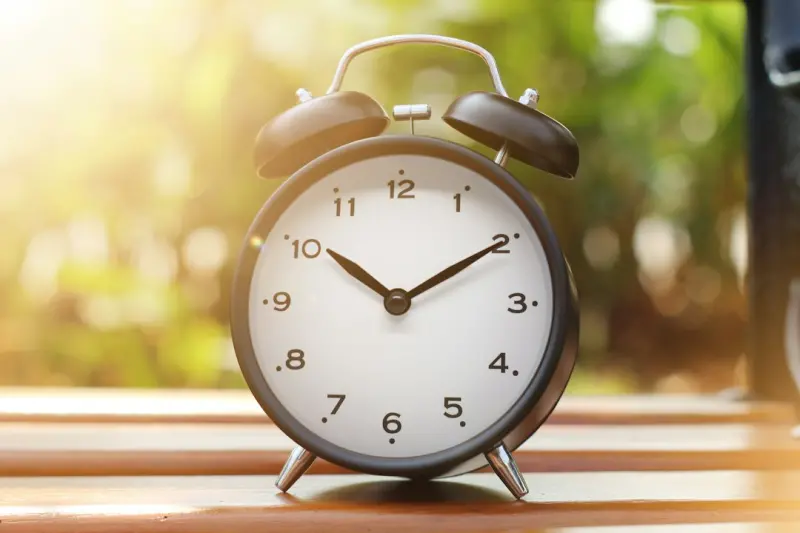
Imagine you’re staring at a spreadsheet at 2 a.m., eyes gritty, brain fog thick enough to cut with a knife. You’ve been told that “the night owl gets the worm,” yet your body is screaming for a reset. In my years of juggling product launches, client calls, and the occasional marathon of webinars, I’ve learned that the most powerful lever for sustainable performance isn’t a new app or a fancy gadget—it’s the rhythm that has been ticking inside us since the dawn of humanity: our circadian clock.
Why the Circadian Clock Matters More Than You Think
When we talk about health in the corporate world, the conversation usually orbits around “stress management” or “quick workouts.” Those are valuable, but they’re surface‑level fixes for a deeper, systemic issue. The circadian system orchestrates everything from hormone release to body temperature, metabolism to cognitive alertness. Miss it, and you’re essentially trying to drive a car with the gas pedal and the brakes pressed simultaneously.
Research shows that misaligned circadian rhythms are linked to higher rates of cardiovascular disease, impaired glucose tolerance, and even reduced gray‑matter volume in the brain. In other words, a chronically out‑of‑sync schedule can quietly erode the very foundation of your professional stamina.
The Modern Knowledge Worker’s Circadian Challenge
Remote work, global collaboration, and the “always‑on” culture have turned the traditional 9‑to‑5 into a myth. Meetings now span time zones, deadlines pop up at midnight, and the blue glow of our screens is a constant companion. This environment is a perfect storm for circadian disruption.
- Screen fatigue: Blue light suppresses melatonin, the hormone that tells us it’s time to sleep.
- Irregular meals: Snacking at odd hours spikes insulin and throws off metabolic rhythms.
- Inconsistent sleep windows: Sleeping in, staying up late, then catching up on the weekend creates a jagged sleep pattern.
These habits may seem harmless in isolation, but together they create a feedback loop that drags performance down, fuels burnout, and makes you more susceptible to the dreaded “afternoon slump.”
Re‑Engineering Your Day Around Your Internal Clock
Instead of fighting your biology, I propose a simple, actionable framework: Chrono‑Alignment. It’s a three‑step approach that respects your natural rhythms while still meeting the demands of a hyper‑connected workplace.
1. Map Your Personal Rhythm
The first step is observational. For a week, log three variables:
- When you naturally feel most alert (peak productivity window).
- When you experience the first signs of fatigue.
- When you feel most creative or “in the zone.”
Use a notebook, a spreadsheet, or a simple habit‑tracking app—whatever fits your workflow. The goal is to surface patterns without imposing any changes yet.
2. Anchor Core Tasks to Peak Hours
Once you’ve identified your high‑energy window (for many it’s between 9 a.m. and 12 p.m., but it could be 2 p.m. to 5 p.m. for night‑owls), schedule your most cognitively demanding work during that period. This includes strategic planning, deep‑focus writing, and complex data analysis.
Conversely, allocate low‑intensity tasks—email triage, routine admin, or status‑check meetings—to the troughs of your rhythm. By aligning task difficulty with energy levels, you’ll notice sharper focus, fewer mistakes, and a smoother workflow.
3. Create “Digital Boundaries” to Protect Your Night
One of the biggest culprits behind circadian misalignment is unchecked screen exposure after dark. I’ve found a practical, science‑backed solution in the concept of digital boundaries. The idea is simple: treat your devices the same way you treat a noisy coworker—set clear limits.
Implement a “tech sunset” 60‑90 minutes before you plan to sleep. Switch devices to warm‑light mode, enable “Do Not Disturb,” and consider a physical screen‑free zone in your bedroom. The result? A smoother melatonin surge, faster sleep onset, and deeper REM cycles—exactly the restorative sleep your brain craves.
Fueling the Clock: Nutrition Timing for Rhythm Harmony
What you eat, and when you eat it, can either reinforce or sabotage your circadian rhythm. Here are three evidence‑based tactics to keep your metabolism in sync:
- Eat a protein‑rich breakfast: Amino acids stimulate cortisol in the morning, helping you wake up fully alert.
- Limit carbs after 7 p.m.: Heavy carbohydrates spike insulin and can delay melatonin release.
- Incorporate “chrono‑snacks”: A handful of nuts or a small piece of fruit 2–3 hours before bedtime can stabilize blood sugar without triggering a metabolic crash.
For many remote workers, the kitchen becomes a perpetual buffet. To combat mindless grazing, I transformed my home workspace by turning my kitchen into a calm, productivity‑boosting sanctuary. By positioning healthy snacks within arm’s reach and storing indulgent treats out of sight, I reduced impulsive eating and aligned my meals with my work cycles.
Micro‑Movements: Tiny Physical Nudges for Rhythm Reset
While the term “micro‑movements” often appears in the context of focus hacks, it also serves a crucial role in circadian health. Short bursts of movement—standing, stretching, or a quick walk—stimulate blood flow and reset peripheral clocks in muscles and organs.
In practice, I schedule a 3‑minute “movement break” every 90 minutes. It’s enough to boost circulation, lower cortisol, and signal to the body that it’s time to stay alert, not to crash. These brief intervals are far less disruptive than a full‑blown workout and can be slipped into even the most packed calendars.
Designing Your Environment for Rhythm Success
Beyond personal habits, the physical environment plays a silent but decisive role. Light, temperature, and sound all act as zeitgebers—external cues that synchronize our internal clocks.
- Morning light exposure: Open blinds or step outside for 10–15 minutes. Natural light is the most potent zeitgeber.
- Evening dimming: Dim the lights gradually after sunset. Use warm bulbs or smart lighting that mimics twilight.
- Temperature cues: A cooler bedroom (around 65 °F/18 °C) encourages deeper sleep, while a slightly warmer office space can keep you alert during the day.
If you’re limited by apartment layouts, consider portable solutions: a light therapy lamp for morning wake‑up, a white‑noise machine for uninterrupted sleep, or a smart thermostat that adjusts temperature based on your schedule.
Testing, Tweaking, and Measuring Success
Chrono‑alignment isn’t a set‑and‑forget strategy; it’s a continuous experiment. Track the following metrics for at least two weeks after implementing changes:
- Sleep quality: Use a wearable or an app that records sleep stages.
- Productivity spikes: Note the times you finish key tasks faster or with higher quality.
- Mood fluctuations: Simple mood‑rating scales (1–5) taken at regular intervals can reveal patterns.
When you see improvements—shorter sleep latency, sharper focus, steadier mood—you’ve found a sweet spot. If not, adjust one variable at a time: shift your “tech sunset” earlier, experiment with meal timing, or move a core task to a different slot.
Common Pitfalls and How to Overcome Them
Even with the best intentions, many fall into traps that undo progress:
- “All‑or‑nothing” mindset: Believing you must adhere perfectly to a schedule can lead to guilt and abandonment. Aim for consistency, not perfection.
- Neglecting social cues: Weekends often bring social events that disrupt sleep. Try to keep wake‑up times within an hour of weekday norms.
- Ignoring individual variation: Not everyone’s peak is in the morning. Respect your own chronotype—whether you’re a “lion,” “bear,” or “wolf.”
By acknowledging these hurdles, you can design contingency plans—like a “re‑sync” ritual after a weekend out‑of‑phase (e.g., a bright‑light exposure session, a light cardio burst, and an early bedtime).
Integrating Chrono‑Alignment with Organizational Culture
For managers, encouraging chrono‑alignment can boost team performance and reduce burnout. Here are three leadership practices that support rhythm health without sacrificing collaboration:
- Flexible core hours: Define a 4‑hour “core window” for synchronous work, allowing individuals to schedule the rest of their day around personal peaks.
- Meeting etiquette: Reserve early‑morning and late‑evening slots for low‑stakes updates; keep deep‑work periods meeting‑free.
- Wellness resources: Offer access to light‑therapy lamps, mindfulness apps, or even a brief “movement break” during all‑hands sessions.
When the organization respects biological rhythms, the payoff is measurable: higher engagement scores, fewer sick days, and a culture that feels less like a treadmill and more like a well‑orchestrated symphony.
Final Thoughts: Your Clock Is a Competitive Advantage
In a world that glorifies hustle, the quiet, steady tick of your circadian clock can become your secret weapon. By mapping your rhythm, protecting nighttime, feeding your body at the right times, and sprinkling in micro‑movements, you’ll not only safeguard your health but also sharpen the edge that keeps you ahead in the fast‑paced knowledge economy.
Take the first step today: turn off that screen an hour early, log your energy peaks, and notice how the difference feels. Your future self—and your calendar—will thank you.

Paul Flynn is a versatile freelance writer equipped with a diverse skillset and a portfolio that reflects his wide-ranging interests and expertise. From crafting compelling website copy and engaging blog posts to delivering in-depth articles and meticulously researched reports, Flynn demonstrates a remarkable ability to adapt his writing style to suit various audiences and purposes.
Related Posts

Breathe Like a Pro: How Intentional Breathwork Supercharges Your Health
Learn practical breathwork methods that transform stress into calm, enhance sleep quality, and stren... Read More

Sleep Hacking Made Simple: Everyday Rituals for Restful Nights
Learn low‑tech, habit‑driven strategies—from bedroom setup to evening routines and nutrition t... Read More

Syncing Your Body Clock: Simple Rituals for Modern Health
Learn how tiny adjustments to light, meals, movement, and offline connections can reset your interna... Read More
Top Posts

The Untapped Potential of Peer‑Learning Networks at Work
A peer‑learning network (PLN) is an informal, employee‑driven ecosystem that accelerates problem‑solving, preserves tacit knowledge, and embeds a culture ...Read More

When Machines Meet Morality: Building Ethical AI for B2B SaaS
A deep dive into why ethical AI is essential for SaaS, with a step‑by‑step framework, real‑world case study, and actionable tactics to embed fairness, tra...Read More

Reimagining Your Kitchen Counter as a Multi‑Purpose Power Hub
Discover how to convert a standard kitchen countertop into a versatile productivity hub using decluttering, smart lighting, and purposeful zones, boosting focus...Read More

From Soil to Spreadsheet: Jimmy Damon’s Guide to a Garden‑Powered Home Office
Jimmy Damon shares how a simple garden desk transformed his work life, offering practical tips to create a nature‑infused home office that fuels creativity an...Read More
0 Comments
Post Comment
You will need to Login or Register to comment on this post!