
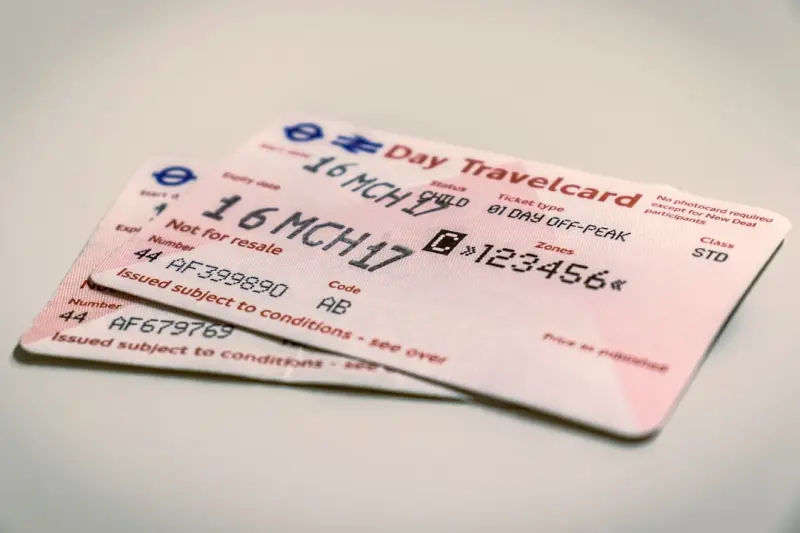
Why Micro‑Getaways Are the New Power‑Move for Professionals
When I first started hopping between conferences, client sites, and the occasional “work‑cations,” I thought the only way to truly unwind was to plan a massive, once‑a‑year vacation. Somewhere along the way, that fantasy collided with the reality of endless inboxes, project deadlines, and the ever‑present fear of falling behind. The solution? Micro‑getaways—short, intentional trips that fit into a weekend (or even a long Friday evening) and deliver the same mental reset as a week‑long holiday, without the logistical nightmare.
The Science Behind the Short‑Trip Surge
Our brains are wired for novelty. A new environment triggers dopamine release, which boosts creativity and improves mood. However, the stress of extended travel—packing, jet lag, and the pressure to “make the most” of every moment—can quickly erode those benefits. By limiting a getaway to 48‑72 hours, you capture the dopamine spike while sidestepping the fatigue that follows a longer excursion.
Research in chronobiology shows that short bursts of restorative experiences can reset circadian rhythms and lower cortisol levels more effectively than a single, prolonged break. In practice, this means a two‑night stay in a nearby mountain town can be just as rejuvenating as a week on a tropical beach, provided you plan it with intention.
Designing the Perfect Micro‑Getaway
Here’s a step‑by‑step framework I use for every mini‑adventure. Feel free to adapt it to your own rhythm and preferences.
- Identify the purpose. Is it to spark creative ideas, strengthen relationships, or simply disconnect? Knowing the “why” informs every subsequent decision.
- Pick a destination within a 2‑hour radius. A short drive or a quick train ride eliminates the “travel fatigue” factor. Think of places you’ve never explored but can reach without an overnight stay on the road.
- Set a tech‑boundary. Decide beforehand which devices (if any) you’ll keep on standby. Many professionals find that turning off email notifications for 48 hours dramatically improves the sense of escape.
- Curate a sensory palette. Choose accommodations, food, and activities that align with the mood you want. For instance, a cabin with a fireplace and a local farm-to-table dinner can foster coziness, whereas a boutique hotel near a bustling market can energize your senses.
- Plan a single “anchor” activity. Instead of trying to cram a full itinerary, focus on one experience that feels special—a guided hike, a pottery class, or a sunrise meditation on a beach.
- Build a “re‑entry” ritual. The moment you step back into work, have a small, grounding practice—perhaps a five‑minute journal entry or a walk around your office—to translate the trip’s benefits into daily productivity.
Case Study: From Boardroom to Brookside
Last spring, I booked a two‑night stay at a riverside lodge just an hour’s drive from my home office. The goal was simple: reset my mental bandwidth after a quarter of back‑to‑back client presentations. Here’s how the framework played out:
- Purpose: Recharge creative muscles and gain fresh perspective on a stalled marketing campaign.
- Destination: A small town known for its artisan cheese shop and river kayaking routes.
- Tech‑boundary: I left my laptop in the hotel safe and limited phone use to emergency calls only.
- Sensory palette: I chose a room with a private deck overlooking the water, ordered a locally sourced dinner, and slept on a mattress made from natural latex.
- Anchor activity: A guided night hike with a local naturalist, focusing on nocturnal wildlife.
- Re‑entry ritual: Upon returning, I spent ten minutes sketching the river’s flow—an exercise that sparked a new visual direction for the campaign.
The result? Within a week, the campaign’s concept had shifted from a generic “growth” theme to a narrative anchored in “flow” and “natural momentum,” resonating strongly with both the client and our target audience.
Micro‑Getaways and the Remote‑Work Landscape
Remote work has dissolved many geographic constraints, but it has also blurred the lines between “home” and “office.” This can lead to a subtle, pervasive sense of monotony. By integrating micro‑getaways into a quarterly routine, you create intentional “off‑sites” that keep your environment fresh without sacrificing the flexibility you love.
If you’re curious about how light exposure plays into remote‑work health, check out this deep dive on Why Light Is the Missing Piece in Remote‑Work Health. It explains why stepping outside—even for a few hours—can dramatically improve focus and mood.
Leveraging Technology—Without Letting It Take Over
While the core of a micro‑getaway is unplugged simplicity, technology can still enhance the experience when used wisely. Consider the following tools:
- AI‑driven itinerary generators. These can suggest hidden gems based on your interests, saving you hours of research. For a deeper look at AI’s role in personal productivity, see AI Mentors at Work.
- Travel‑specific wellness apps. Apps that track ambient noise, light levels, and air quality help you fine‑tune your sensory environment on the go.
- Digital “out‑of‑office” dashboards. Set up a simple status page that informs colleagues of your availability, ensuring you truly disconnect while keeping communication clear.
Budget‑Friendly Micro‑Getaways
One common objection is cost. The good news is that micro‑getaways can be surprisingly economical:
- Off‑peak travel. Weekday nights often have lower rates for boutique hotels and B&Bs.
- Local partnerships. Many small towns offer “stay‑and‑experience” packages that include meals, guided tours, or workshops at a fraction of the price of a standard hotel stay.
- Car‑share and public transit. Splitting fuel costs or using a rail pass can cut transportation expenses dramatically.
When you add up the savings from reduced airfare, shorter accommodation nights, and minimal time off work, a micro‑getaway can cost less than a single day of office coffee runs.
Micro‑Getaways for Teams
While solo trips are powerful, scaling the concept to a team can amplify benefits. A two‑day retreat focused on a single collaborative challenge—like brainstorming a new product feature—can replace a week‑long off‑site that drains both time and budget. The key is to keep the agenda light and embed plenty of free‑form exploration time.
Here’s a quick template for a team micro‑getaway:
- Day 1 Morning: Arrival and welcome coffee.
- Day 1 Mid‑day: Outdoor activity that encourages informal conversation (e.g., a guided hike).
- Day 1 Afternoon: Focused workshop session (no more than 2 hours).
- Day 1 Evening: Shared dinner and storytelling.
- Day 2 Morning: Light debrief and individual reflection.
- Day 2 Mid‑day: Departure.
The blend of structured work and unstructured leisure creates a fertile ground for innovative ideas while preserving the restorative power of a short escape.
Choosing the Right Destination: Beyond the Usual Spots
Most travelers gravitate toward the classic “city break” or “beach weekend.” To truly stand out, consider these alternative categories:
- Heritage villages. Small towns that preserve historical architecture and craft traditions can provide a tangible sense of stepping back in time.
- Eco‑reserves. Protected natural areas often have guided tours that focus on sustainability, aligning with many companies’ ESG goals.
- Creative colonies. Places where artists, writers, and makers gather can inspire fresh perspectives—think of a weekend at a writers’ retreat or a ceramics studio.
These less‑trodden paths often come with lower crowds, more authentic experiences, and the chance to connect with locals who can share insider knowledge.
Micro‑Getaways as a Personal Innovation Lab
Every micro‑trip is an opportunity to test new habits, tools, or mindsets in a low‑stakes environment. For example, you might experiment with a new morning routine, try a meditation technique, or evaluate a productivity app—all while surrounded by a fresh backdrop that encourages reflection.
Think of it as a personal “innovation sprint,” similar to how many companies treat hackathons. By treating your time away as a sandbox for personal growth, you return with tangible takeaways that can be applied to both work and life.
Practical Tips for Seamless Execution
Even the best‑intentioned micro‑getaway can fall flat if logistics are ignored. Keep these practical pointers in mind:
- Pack light. A carry‑on plus a small daypack forces you to prioritize essentials.
- Pre‑schedule work buffers. Block out a half‑day before and after the trip to handle any urgent tasks, reducing the pressure to stay “plugged in.”
- Use a travel checklist app. A simple checklist ensures you don’t forget chargers, medications, or travel documents.
- Notify key stakeholders. A quick email outlining your unavailability and a point of contact maintains transparency.
Measuring the Impact
To prove the ROI of micro‑getaways to yourself—or to a skeptical manager—track a few simple metrics:
- Productivity spikes. Note any increase in task completion or creative output in the week following the trip.
- Mood ratings. Use a daily mood journal to capture baseline and post‑trip changes.
- Idea generation. Keep a running list of new ideas that arise during the getaway; review them later for implementation.
Even anecdotal evidence—like feeling “lighter” after a weekend in the woods—can be powerful when shared in a team retrospective.
Conclusion: Make Micro‑Getaways a Habit, Not a Luxury
In a world that glorifies hustle, the most rebellious act you can take is to schedule regular, intentional pauses. Micro‑getaways are the antidote to burnout, the catalyst for fresh thinking, and a surprisingly affordable way to explore beyond your everyday surroundings. By treating each short trip as both a personal retreat and a mini‑innovation lab, you’ll return to work recharged, inspired, and ready to tackle the next challenge with renewed vigor.

Amanda is a passionate writer exploring a kaleidoscope of topics from lifestyle to travel and everything in between.
Related Posts

Wanderlust with Purpose: Turning Vacation Days into Community Impact
Explore practical ways to turn your vacation into a force for good, from micro‑volunteering and lo... Read More
Travel as a Personal Branding Expedition: Crafting Your Professional Narrative on the Road
A fresh look at travel, this post shows how journeys can be leveraged to shape your personal brand, ... Read More
Beyond the Guidebook: Crafting Personal Narratives on the Road
Learn to transform every trip into a personal narrative by embracing minimalist packing, mindful mic... Read More
Top Posts

Why Psychological Safety Is the Missing Link in Modern Workplaces
Psychological safety empowers teams to speak up, experiment, and learn from failures without fear, driving higher productivity, lower turnover, and stronger inn...Read More
Garden Desks: The Employment Revolution Changing Work in 2026
Explore the rise of garden desks and how this outdoor workspace trend is transforming employee well‑being, talent attraction, and company profits in 2026....Read More

Rewriting Your Inner Narrative: A Data‑Driven Path to Mental Well‑Being
Learn how to blend personal metrics with storytelling to create a powerful, data‑driven approach to mental health, turning numbers into actionable narratives ...Read More

Evening Tech Curfew: How a Simple Nighttime Routine Can Rewire Your Brain for Calm
A practical guide to establishing a nighttime technology curfew that eases stress, protects sleep, and supports overall mental well‑being....Read More
0 Comments
Post Comment
You will need to Login or Register to comment on this post!