
Why Fermented Skincare Is the Next Big Wave in Personal Care
When I first stumbled upon a jar of kimchi while grocery‑shopping, I was fascinated by the idea that the same bacteria that make vegetables tangy could also nurture my skin. That curiosity sparked an experiment that has reshaped my entire personal care routine: fermenting my own skin‑care ingredients. Fermentation isn’t just a culinary technique; it’s a biochemical process that breaks down complex molecules into more bioavailable forms, unlocking potent antioxidants, peptides, and probiotics that can calm inflammation, balance oil production, and support the skin’s natural barrier.
The Science Behind Fermentation and Skin Health
At its core, fermentation involves the activity of beneficial microbes—lactic acid bacteria, yeast, and certain molds—that transform sugars, proteins, and fats. In the context of skin care, this means:
- Increased bioavailability: Fermented extracts contain smaller, more absorbable compounds that penetrate deeper layers of the epidermis.
- Enhanced probiotic action: Live cultures help maintain a balanced skin microbiome, reducing the risk of breakouts and irritation.
- Natural preservation: The acidic environment created by fermentation acts as a gentle preservative, extending shelf life without synthetic additives.
Research from dermatology journals highlights that fermented ingredients can boost collagen synthesis, reduce hyperpigmentation, and improve overall skin texture. The key takeaway? When you feed your skin the same kind of friendly bacteria you feed your gut, you create a harmonious ecosystem that supports radiant, resilient skin.
Getting Started: The Minimalist Fermentation Toolkit
If you’re new to the world of DIY fermented skin care, you’ll be relieved to know you don’t need a lab. Here’s a straightforward list of tools that fit comfortably on any bathroom countertop:
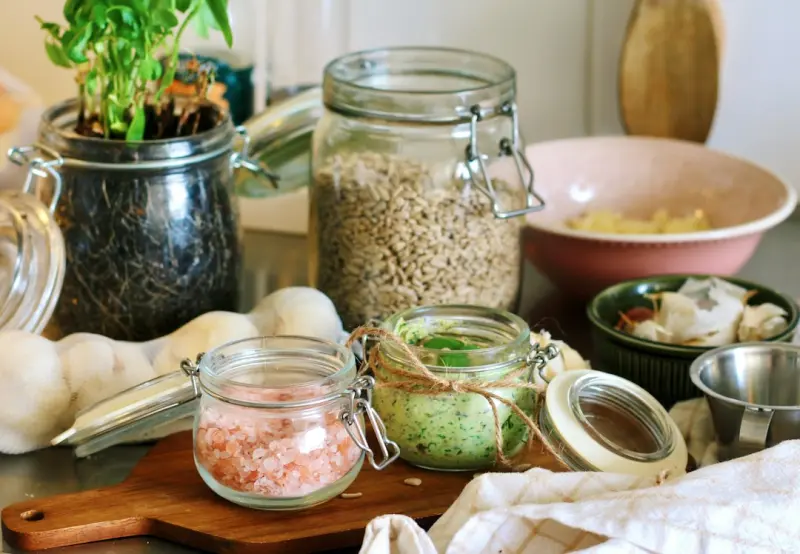
- Glass jars with airtight lids – preferably wide‑mouth for easy mixing.
- Raw, organic ingredients – think honey, green tea, oatmeal, or fruit purees.
- Starter cultures – a spoonful of plain, unsweetened yogurt, kefir, or a commercial probiotic capsule.
- A clean spoon or spatula – to stir without introducing unwanted microbes.
- A warm, dark spot – the back of a pantry shelf works wonders.
All you need is a little patience and a willingness to experiment. Start with one simple recipe, track how your skin reacts, and expand from there.
Three Fermented Recipes to Try Right Now
1. Fermented Green Tea Toner
Green tea is packed with polyphenols, but when fermented, its catechins become even more potent. Combine two teaspoons of loose green tea with one cup of filtered water, add a pinch of sea salt, and introduce a teaspoon of raw kefir as your starter culture. Seal the jar and let it sit at room temperature for 48 hours. Strain, transfer to a spray bottle, and use after cleansing. The result is a refreshing, antioxidant‑rich toner that balances pH and soothes redness.
2. Honey‑Oat Probiotic Face Mask
Oats are naturally soothing, and honey offers both humectant and antimicrobial properties. Mix one tablespoon of finely ground oats with two teaspoons of raw honey and a quarter teaspoon of your favorite probiotic powder. Allow the mixture to sit for 24 hours, then apply to clean skin for 15 minutes before rinsing with lukewarm water. You’ll notice an immediate glow and a reduction in tightness.
3. Fermented Fruit Serum
Fruit extracts like pineapple or papaya contain enzymes that exfoliate dead skin cells. Blend half a cup of fresh fruit pulp with a tablespoon of raw yogurt and a splash of rose water. Ferment for 36 hours, then strain and store in a dark glass bottle. Use a few drops nightly to gently brighten and improve skin texture.
Integrating Fermentation With a Sustainable Routine
One of the most exciting aspects of fermented skin care is its alignment with a Zero‑Waste Personal Care Playbook. By creating your own products, you dramatically cut down on single‑use packaging, reduce reliance on commercial preservatives, and gain full control over ingredient sourcing. Moreover, many of the base ingredients—honey, oats, fruit—are pantry staples you likely already have, turning your kitchen into a mini‑beauty lab.
Safety First: Knowing When to Pause
While fermentation is generally safe, it’s essential to monitor for signs of contamination. A foul odor, unusual mold growth (anything other than the white, powdery “good” mold typical of certain ferments), or a change in texture are red flags. If any of these appear, discard the batch immediately. Always perform a patch test on a small area of skin before introducing a new fermented product to your routine.
Pairing Fermented Skincare With Other Holistic Practices
Fermentation thrives on a balanced lifestyle. Here are a few complementary habits to amplify the benefits:
- Mindful hydration: Drinking fermented beverages like kombucha or water kefir supports your internal microbiome, which in turn reflects on your skin.
- Gentle movement: Light yoga or stretching improves circulation, helping your newly created serums penetrate more efficiently.
- Digital detox: Reducing screen time before bedtime reduces blue‑light‑induced oxidative stress, allowing your skin to make the most of the probiotics you’ve applied.
Community and Knowledge Sharing
One of the joys of this emerging trend is the vibrant community that shares recipes, troubleshooting tips, and success stories. Platforms like Instagram reels, TikTok tutorials, and niche forums are brimming with creators who document their fermentation journeys. Engaging with this community not only provides fresh ideas but also offers accountability—knowing someone else is on the same path can keep you motivated to stick with the practice.
From Kitchen to Bathroom: A Mindful Transition
When you bring a jar of fermented serum from your pantry to your vanity, you’re performing a small, intentional ritual that signals to your brain “this is self‑care.” It’s a moment of mindfulness that bridges the gap between nourishment and beauty. If you’re looking for inspiration on turning everyday actions into micro‑rituals, check out the Reclaiming Radiance article, which delves into how tiny habits can compound into lasting radiance.
Scaling Up: From Personal Use to Small‑Batch Business
For entrepreneurs, fermented skincare offers a niche market with low entry barriers. Since the process relies on natural ingredients and minimal equipment, you can start by producing small batches for friends, local markets, or online stores. Just remember to comply with local cosmetics regulations, label ingredients transparently, and maintain rigorous hygiene standards. The authenticity of a handcrafted, probiotic‑rich product can be a compelling selling point in an industry saturated with synthetic formulations.
Final Thoughts: Embrace the Living Beauty Routine
Fermented skincare is more than a trend; it’s a philosophy that celebrates living, breathing ingredients that evolve over time. By harnessing the power of microbes, you’re not only giving your skin a potent boost but also participating in a sustainable, zero‑waste approach to beauty. The next time you open your fridge and see a jar of leftover fruit, consider whether it could become the next star of your skin‑care regimen. Your skin, your planet, and your curiosity will thank you.

Jessica Gills is a freelance writer carving a niche for herself by empowering others through her words. With a focus on careers, self-development, and business, she helps readers navigate the complexities of the modern professional landscape.
Related Posts

Microbiome‑First Personal Care: How Gut Health Is Rewriting Your Beauty Routine
A deep dive into how balancing your gut microbiome can boost skin health, featuring practical probio... Read More

When Your Mirror Gets Smarter: Data‑Driven Personal Care for the Modern Professional
Smart mirrors, wearables, and sustainable bathroom tech are turning personal care into a data‑driv... Read More

Personal Care as a Strategic Edge: Crafting a Performance‑Fueling Morning Routine
Learn how a purposeful, tech‑enhanced personal care routine can sharpen focus, reduce stress, and ... Read More
Top Posts

Design Your Role: A Blueprint for Job Crafting Success
Learn how to reshape your existing role through job crafting. This guide offers actionable steps to align tasks, relationships, and mindset with your strengths ...Read More

AI as Your Invisible Co‑Pilot: Boosting Freelance Productivity
Artificial intelligence can act as a subtle co‑pilot for freelancers, handling routine tasks, offering personalized focus nudges, and enhancing creative brain...Read More

Why Employees Should Design Their Own Role Playbooks
A role playbook lets employees co‑create their job narrative, aligning personal purpose with company goals. This living document drives engagement, faster onb...Read More

Quiet Guardians: Harnessing AI to Safeguard Psychological Safety at Work
A deep dive into AI's role as a proactive cultural sentinel, offering real‑time insights that help leaders nurture inclusive, psychologically safe workplaces....Read More
0 Comments
Post Comment
You will need to Login or Register to comment on this post!