

Why Micro‑Trips Are the Secret Weapon for Modern Professionals
Imagine swapping a 30‑minute commute for a 30‑minute train ride that drops you off in a town you’ve never set foot in. No, this isn’t a futuristic fantasy—it’s the emerging reality of micro‑trips, and they’re quietly reshaping how we think about work, creativity, and well‑being. While the travel industry has long championed epic getaways and bucket‑list destinations, the real power lies in the bite‑size journeys that fit into a busy calendar. These short, intentional escapes can supercharge productivity, deepen cultural empathy, and even improve mental health—all without the logistical nightmare of a week‑long vacation.
Micro‑Trips vs. Traditional Vacations: A Paradigm Shift
Traditional vacations often come with the promise of “total disconnect,” a break from the daily grind that lasts a week or more. The downside? The longer you’re away, the harder it is to sustain the momentum when you return. Research shows that the productivity boost from a week‑long break tends to plateau after the first few days, and the re‑adjustment period can eat into the benefits.
Micro‑trips, on the other hand, operate on a different frequency. A weekend in a nearby mountain town, a day spent exploring a neighboring city’s street markets, or even an afternoon hike on a trail you’ve passed a hundred times can deliver a surge of novelty that rewires your brain’s reward circuitry. This frequent injection of new stimuli keeps the creative muscles flexed, reduces the risk of burnout, and builds a habit of curiosity that extends well beyond the travel moments themselves.
Designing a Micro‑Trip That Actually Works
Not every short outing delivers value. The key is intentional design. Below are the three pillars that turn a simple day out into a high‑impact experience:
- Purposeful Destination Choice: Pick places that align with a personal or professional goal. If you’re a product designer, a visit to a local craft market can spark ideas about tactile user experiences. If you’re a data analyst, a museum exhibit on visual storytelling can inspire new ways to present findings.
- Embedded Learning Moments: Treat the trip as a field study. Bring a notebook, record observations, or engage in a short interview with a local expert. The act of capturing insights transforms leisure into actionable knowledge.
- Reflection Buffer: Reserve time before and after the trip to set intentions and debrief. A 15‑minute planning session the night before and a quick journal entry the evening after help cement the experience in long‑term memory.
Micro‑Trips and the Brain: The Science of Novelty
Our brains are wired to prioritize novelty. Dopamine spikes when we encounter something new, and this neurotransmitter is a key driver of motivation and learning. A study from the University of Michigan found that even brief exposure to unfamiliar environments can increase divergent thinking—a core component of creative problem solving. By regularly scheduling micro‑trips, you effectively program your brain to stay in a state of “ready for discovery.”
Moreover, short trips reduce the cortisol buildup associated with chronic stress. Unlike a marathon vacation, which can sometimes feel like a sprint in reverse (the “post‑vacation blues”), micro‑trips provide just enough of a break to reset stress hormones without triggering a prolonged emotional dip.
Integrating Micro‑Trips into a Corporate Culture
Forward‑thinking companies are already recognizing the strategic advantage of micro‑trips. Some forward‑leaning teams have instituted “travel Fridays,” where employees are encouraged to work remotely from a café, co‑working space, or even a nearby park. The result? A measurable uptick in collaborative brainstorming sessions and a noticeable reduction in sick days.
When you pair micro‑trips with internal knowledge sharing platforms, the ripple effect multiplies. Imagine a product team that returns from a weekend in a historic town, then hosts a 30‑minute “travel insights” session for the broader organization. Those insights—whether about local consumer behavior or unexpected logistical challenges—can seed innovations that would otherwise never surface.
Practical Tips for the Busy Professional
- Leverage Public Transit Hubs: Train stations are often underutilized as gateways to nearby attractions. A two‑hour train ride can land you in a town with a thriving arts scene, a vineyard, or a nature reserve.
- Pack Light, Pack Smart: A versatile capsule wardrobe (think a pair of chinos, a lightweight jacket, and comfortable shoes) eliminates decision fatigue and maximizes spontaneity.
- Use Tech Wisely: Apps that surface local events, hidden eateries, or pop‑up workshops can turn an ordinary stroll into a curated experience.
- Stay Connected to Work Lightly: If you need to check emails, set a timer for 15 minutes. The goal is to stay present, not to let work bleed into the entire trip.
Micro‑Trips as a Gateway to Deeper Travel Experiences
While micro‑trips are powerful on their own, they also serve as a gateway to more immersive, longer‑term travel. By building a habit of short, purposeful journeys, you develop a travel mindset that makes planning bigger trips less intimidating. You learn how to navigate new environments quickly, ask better questions, and extract richer cultural insights—all skills that translate seamlessly to extended stays.
Think of each micro‑trip as a rehearsal. The confidence you gain from mastering a weekend itinerary can later empower you to tackle a month‑long immersion program, a remote work stint in a foreign city, or even a multi‑country expedition.
Case Study: Turning a Weekend Getaway into a Product Innovation Sprint
Last spring, a mid‑size fintech startup encouraged its design team to take a two‑day retreat to a coastal town known for its artisanal glassblowing workshops. The team’s brief was simple: observe the craft, interview the artisans, and return with at least three ideas that could improve the company’s user interface.
During the visit, the designers noted the way glassblowers manipulate temperature and flow to create seamless curves. They also observed how the studio’s layout emphasized transparency and natural lighting, fostering a sense of openness. Back at the office, the team applied these observations to redesign the mobile app’s onboarding flow, incorporating smoother transitions and a “transparent” progress bar that visually communicated user status. The redesign led to a 12% increase in user activation rates within the first month.
This example illustrates how a well‑structured micro‑trip can generate tangible business outcomes, bridging the gap between curiosity and measurable impact.
Bridging the Gap Between Work and Play with Small‑Scale Nature
Even in bustling urban settings, you can capture the restorative benefits of nature without a full‑blown wilderness trek. The concept of a pocket oasis—a tiny, thoughtfully designed green nook—can be a powerful ally. By locating yourself near such spaces during a micro‑trip, you amplify the stress‑relieving effects of the journey.
Similarly, for those who crave a deeper immersion in greenery, exploring a nearby park that practices urban forest bathing can provide a quick reset. Even a 20‑minute walk among mature trees has been shown to lower blood pressure and improve mood, making it an ideal complement to a brief travel experience.
Future Outlook: The Rise of “Travel‑Integrated” Workflows
As remote work continues to normalize, the line between “office” and “field” will blur. Companies will increasingly view travel not as a perk but as a core component of talent development. Expect to see more structured programs that allocate budget for micro‑trips, provide travel‑specific learning modules, and reward employees for turning travel insights into actionable projects.
For the individual professional, embracing micro‑trips now is a way to future‑proof your career. You’ll become the go‑to person for fresh perspectives, the employee who can synthesize disparate cultural insights, and the leader who can champion a culture of curiosity and continuous learning.
Take the First Step Today
Start small. Identify a destination within a two‑hour radius, set a clear objective, and schedule a 48‑hour window on your calendar. Bring a notebook, ask questions, and most importantly—allow yourself to be present. The next time you return, you’ll notice a subtle yet powerful shift: ideas flow more freely, stress feels lighter, and the world feels a bit larger, even when you haven’t crossed a continent.
Micro‑trips are more than a trend; they’re a strategic tool for the modern professional seeking balance, inspiration, and growth. The journey begins the moment you decide to step out of your routine, even if it’s just for a coffee in a neighboring town.

Ryan Stuart is a seasoned freelance features writer, editor, and professional photographer with a passion for exploring the world and capturing its beauty through words and images.
Related Posts

Traveling Light, Living Rich: A Business Traveler’s Guide to Capsule Packing and Experiential Flow
A business traveler’s roadmap to lighter luggage, smarter networking, and immersive micro‑experi... Read More

Micro‑Getaways: Turning Everyday Commutes Into Pocket Adventures
Explore the power of micro‑travel: turn routine commutes, train rides, and local strolls into memo... Read More

The Rise of Hyper‑Local Micro‑Escapes: Redefining Wanderlust
Micro‑escapes—short, local getaways—are reshaping travel by delivering dopamine‑boosting exp... Read More
Top Posts

Why Garden Desks Are the Future of Employment: A Rose DesRochers Perspective
Rose DesRochers reveals why garden desks are revolutionizing work in 2024—boosting productivity, sustainability, and employee well‑being—all from a person...Read More

Micro‑Escapes: Tiny Sensory Shifts for Big Mental Health Gains
Micro‑escapes are brief, intentional sensory pauses—like a 30‑second nature sound or a quick far‑focus glance—that recalibrate the brain, improve focu...Read More

Turn Your Home Into a Low‑Stress Power Hub
A step‑by‑step guide shows how to build a simple home dashboard that tracks energy use, temperature, and wellness zones—helping you save money, reduce str...Read More
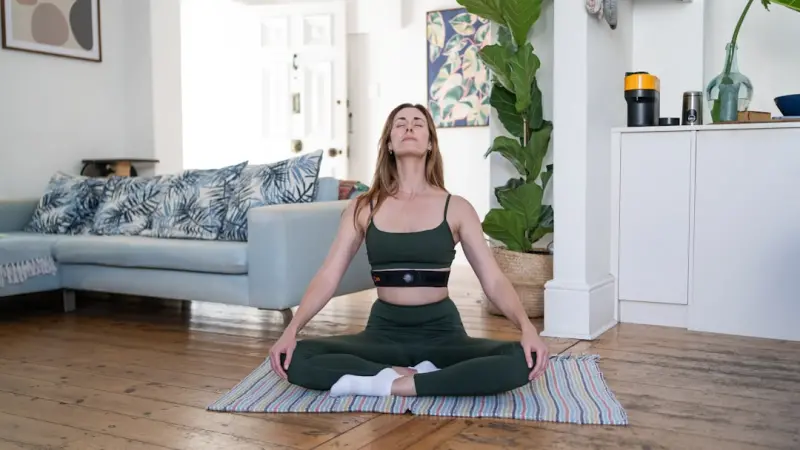
Breathing Into Balance: Simple Practices That Supercharge Your Body and Mind
Explore the science and practical steps behind breathwork, a zero‑cost health tool that balances the nervous system, boosts immunity, and sharpens the mind, f...Read More
0 Comments
Post Comment
You will need to Login or Register to comment on this post!