
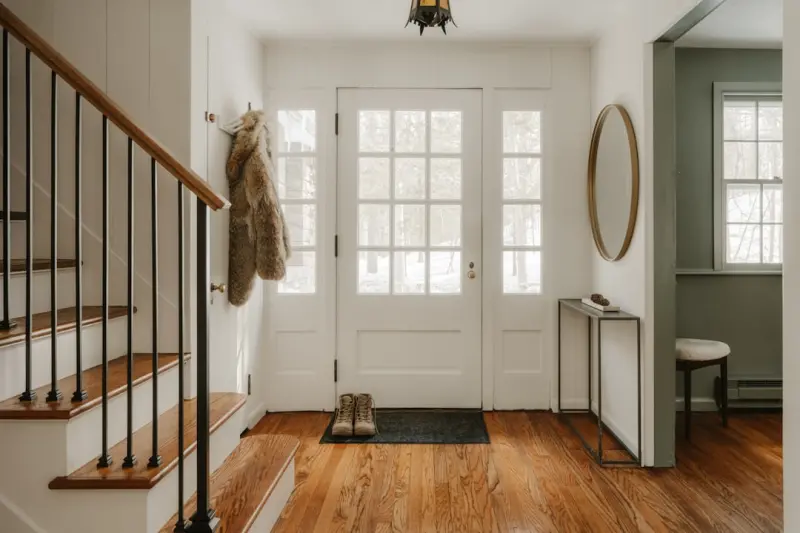
Transform Your Entryway into a Calm, Functional Welcome Zone
Every home has that one spot that sets the tone for the day: the entryway. It’s the first thing you see when you step inside, and the last thing you notice when you head out. Yet, for many of us, it ends up as a chaotic dump for shoes, bags, mail, and that ever‑growing pile of keys. I’ve spent the past decade tweaking my own front porch and hallway, and I’ve learned that a well‑designed entryway does more than just look good—it can actually reduce stress, boost productivity, and even improve your home’s energy efficiency.
Why the Entryway Matters More Than You Think
Think of the entryway as a psychological buffer. When you walk through a clutter‑free, thoughtfully arranged space, your brain gets a subtle cue that you’re stepping into a calm environment. Conversely, a cluttered hallway can trigger the same stress response you get from a crowded inbox. The psychology of first impressions isn’t limited to people; it applies to spaces we inhabit, too.
From a practical standpoint, the entryway is a high‑traffic zone. It’s where you:
- Drop off and pick up daily essentials (keys, wallets, phones).
- Store shoes, coats, umbrellas, and seasonal gear.
- Sort mail, bills, and parcels.
- Set the stage for lighting, temperature, and even scent that greets you.
When each of these functions has a designated place, you spend less time hunting for items and more time focusing on what truly matters—whether that’s a morning workout, a quick coffee, or a productive work session at your home office.
Step 1: Declutter with Intentional Zones
The first rule of entryway design is zone planning. Divide the space into three clear sections: drop zone, storage zone, and transition zone. Here’s how to set them up:
- Drop Zone: This is where you’ll place the most frequently used items—keys, phone chargers, wallets. A small wall‑mounted caddy or a sleek tray does the trick. Choose a material that matches your style (brushed brass, reclaimed wood, matte black) and keep the surface clear of anything that doesn’t belong.
- Storage Zone: Shoes, coats, and bags need a home that’s both accessible and out of the way. Consider a narrow shoe rack that fits the width of your hallway, or a slim wardrobe with built‑in hooks. If floor space is limited, wall‑mounted shelves paired with decorative baskets can store smaller items without sacrificing aesthetics.
- Transition Zone: This is the space that helps you move from the outside world to your home’s interior. A small bench with hidden storage, a mirror, or a piece of art can act as a visual cue that you’re shifting gears. Adding a lighting tip guide here can enhance the feeling of welcome.
By assigning each function its own spot, you eliminate the “everything on the floor” dilemma and make daily routines smoother.
Step 2: Harness Light for Mood and Efficiency
Lighting isn’t just about illumination; it influences mood, energy, and even safety. In an entryway, you want a balance of ambient and task lighting. Here’s a quick formula:
- Ambient Light: Install a ceiling fixture or wall sconces that spread warm, diffused light across the space. Warm LEDs (around 2700–3000 K) create a welcoming glow.
- Task Light: Add a small table lamp or a lighted mirror on the drop zone to make it easy to locate keys or read a mail label.
- Accent Light: Highlight an artwork or a decorative piece with a directional spotlight. This draws the eye upward, making the hallway feel taller.
If you’re eco‑conscious, opt for smart bulbs that adjust color temperature based on the time of day. In the morning, a cooler hue can help you feel more alert; in the evening, a warmer hue signals it’s time to unwind.
Step 3: Choose Storage Solutions That Blend In
The secret to a polished entryway is making storage look like part of the décor, not an afterthought. Here are three strategies:
- Built‑In Cabinets: If you’re renovating, consider a shallow built‑in cabinet that aligns with the wall. Paint it the same color as the wall for a seamless look.
- Modular Units: Use modular cube storage that you can rearrange as your needs evolve. Pair them with woven baskets for a softer touch.
- Hidden Storage: A bench with a lift‑top or an ottoman that opens up can store shoes or seasonal accessories. It doubles as a spot to sit while you pull on boots.
When selecting finishes, think about durability. Entryways experience high foot traffic, so materials like hardwood, laminate, or high‑pressure laminates stand up better to scuffs than delicate glass.
Step 4: Add a Scent Narrative
Our sense of smell is tightly linked to memory and emotion. A subtle, pleasant scent can make you feel instantly at home. I recommend a diffuser with a light citrus or eucalyptus blend near the transition zone. Not only does it freshen the air, it can also act as a gentle cue that you’re entering a clean, organized space.
For those who prefer a low‑maintenance option, consider a small sachet of dried lavender tucked into a drawer or a scented candle placed on a floating shelf (just remember to blow it out before leaving the house).
Step 5: Make the Space Mirror‑Ready
A mirror isn’t just decorative; it expands visual space and allows for a quick final check before you leave. Position a medium‑sized mirror opposite the entry door or above the drop zone. If you have limited wall space, a full‑length mirror with a slim frame can double as a coat rack by hanging hooks on its sides.
Step 6: Bring in a Touch of Nature
Even a tiny plant can soften hard surfaces and improve indoor air quality. Choose a low‑maintenance option like a snake plant, pothos, or a small succulent. Place it on a side table or a floating shelf. If you’re worried about pet safety, opt for a non‑toxic variety.
Plants also add a splash of green that breaks the monotony of neutral tones, giving you a quick visual “reset” before you step out the door.
Step 7: Optimize for Weather Variability
Depending on where you live, you may need to accommodate rain, snow, or extreme heat. A few practical upgrades include:
- Floor Mats: Use a high‑absorbency mat at the very entrance to trap moisture and prevent slips. Choose a mat with a non‑slip backing for safety.
- Coat Hooks with Umbrella Holders: A sturdy hook set that includes a small umbrella stand ensures wet umbrellas don’t drip onto floors.
- Heated Entry Mats: If you have a cold climate, a discreet heated mat can keep your boots dry and warm.
Step 8: Tackle Hidden Storage for the Entryway
Often, we overlook the vertical space above a console or the narrow gaps between the door frame and wall. These “dead zones” can be turned into clever storage spots. Install a narrow floating shelf above the console to hold spare keys, a small notebook, or even a decorative tray for mail. For deeper spaces, use creative storage ideas like a thin rolling cart that can slide under a bench when not in use.
Step 9: Personalize with Art or a Statement Piece
Your entryway should reflect who you are. Whether it’s a bold abstract painting, a vintage wall clock, or a collection of family photos in matching frames, a personal touch makes the space feel welcoming. Just keep the scale proportionate—large pieces can overwhelm a narrow hallway, while a series of smaller items can create rhythm.
Step 10: Maintain the Momentum
All the design work in the world won’t help if the space reverts to chaos within weeks. Set a weekly 5‑minute “entryway audit” where you:
- Return stray items to their designated zones.
- Wipe down surfaces and sweep the floor.
- Check the lighting and replace any burnt‑out bulbs.
- Refresh the scent source (swap out a candle, refill a diffuser).
This habit reinforces the organization system and keeps the entryway functioning as the stress‑reducing hub you intended it to be.
Putting It All Together: A Sample Layout
Imagine a narrow hallway measuring 6 feet wide and 10 feet long. Here’s a step‑by‑step visualization:
- Floor: Place a weather‑resistant, low‑pile mat right at the threshold.
- Wall‑Mounted Caddy: Install a sleek metal caddy on the left side, within arm’s reach, to catch keys and wallets.
- Shoe Rack: Directly opposite the caddy, a narrow wooden shoe rack holds everyday shoes, with a small basket on top for umbrellas.
- Bench with Storage: A bench with a lift‑top sits halfway down, providing a seat and hidden storage for seasonal boots.
- Mirror: Above the bench, a rectangular mirror extends the visual depth of the hallway.
- Floating Shelf: A thin floating shelf above the bench holds a small succulent, a decorative tray for mail, and an art piece.
- Lighting: A recessed ceiling light offers ambient illumination, while a wall sconce beside the caddy provides task lighting.
- Scent: A compact diffuser on the shelf emits a fresh citrus aroma.
This configuration addresses each functional need while maintaining a clean, cohesive aesthetic.
Final Thoughts: The Entryway as a Launchpad for a Better Day
When you treat the entryway as a purposeful, well‑designed space, you create a launchpad for daily success. The small rituals you develop—placing keys in the caddy, slipping on shoes from a neat rack, checking your reflection—become automatic cues that prime your mind for the day ahead.
Remember, the goal isn’t to over‑decorate or turn the hallway into a gallery. It’s to blend function with calm, ensuring every step you take through your front door is a step toward a more organized, less stressful life.

Paul Flynn is a versatile freelance writer equipped with a diverse skillset and a portfolio that reflects his wide-ranging interests and expertise. From crafting compelling website copy and engaging blog posts to delivering in-depth articles and meticulously researched reports, Flynn demonstrates a remarkable ability to adapt his writing style to suit various audiences and purposes.
Related Posts
Entryway Elevation: Tiny Tweaks That Pack a Big Punch
Transform your front hallway into a functional, mood‑lifting space with simple, low‑cost tweaksâ... Read More
Designing a Multi‑Generational Home That Works for Everyone
A step‑by‑step guide to designing a home that balances the needs of grandparents, parents, and k... Read More
Transform Your Kitchen into a Calm, Productivity‑Boosting Sanctuary
Learn how to turn a chaotic kitchen into a serene, productivity‑enhancing space with decluttering ... Read More
Top Posts

Flavor Trails: Turning Every Trip into a Culinary Quest
Explore travel through the senses—learn to map flavors, keep a taste notebook, and use AI tools to create unforgettable culinary adventures wherever you go....Read More

Garden Desks: How Outdoor Workspaces Are Redefining Employment in 2024
Rose DesRochers reveals how garden desks transform work, blending nature with productivity to create a revolutionary, sustainable employment model for 2024....Read More

Sensory Immersion Travel: Designing Trips That Speak to Your Senses
Travel isn’t just about places—it’s about the full-body sensations that shape memory. Learn how to craft trips that engage all five senses, from curated s...Read More
Turning Transit Time into a Personal Discovery Lab
Discover practical habits and a portable kit that turn every layover, train ride, or delayed flight into a creative laboratory for observation, learning, and st...Read More
0 Comments
Post Comment
You will need to Login or Register to comment on this post!