
Why Tiny Mental‑Health Hacks Can Transform Your Day
When I first started juggling client calls, deadline pressure, and a never‑ending inbox, I thought the answer to feeling overwhelmed was more structure. I tried elaborate planners, color‑coded calendars, and even a strict “no‑meeting” day each week. The paradox? The more I tried to control my schedule, the more my mind felt like a traffic jam at rush hour.
One afternoon, while sipping tea and scrolling through my phone, I stumbled on a simple idea: what if the secret to mental clarity isn’t a massive overhaul, but a series of tiny, intentional habits that slip into the cracks of an already‑busy day? The concept reminded me of those little Lego bricks that, when combined, build something sturdy and impressive. Each micro‑habit on its own seems insignificant, but together they create a resilient mental foundation.
The Science of Micro‑Moments
Neuroscience tells us that our brain is wired for novelty and pattern recognition. When we repeat a small, pleasant action, the brain releases dopamine—a feel‑good neurotransmitter—that reinforces the behavior. Over time, a series of micro‑moments can rewire our default stress response, making us less reactive and more present.
Research also shows that brief “attention resets” can improve focus by up to 30%. A 90‑second pause, for instance, can lower cortisol levels and give the prefrontal cortex—our decision‑making hub—a chance to regroup. The key is consistency: the habit must be easy enough to perform even on the busiest days.
Three Micro‑Habits That Work in the Real World
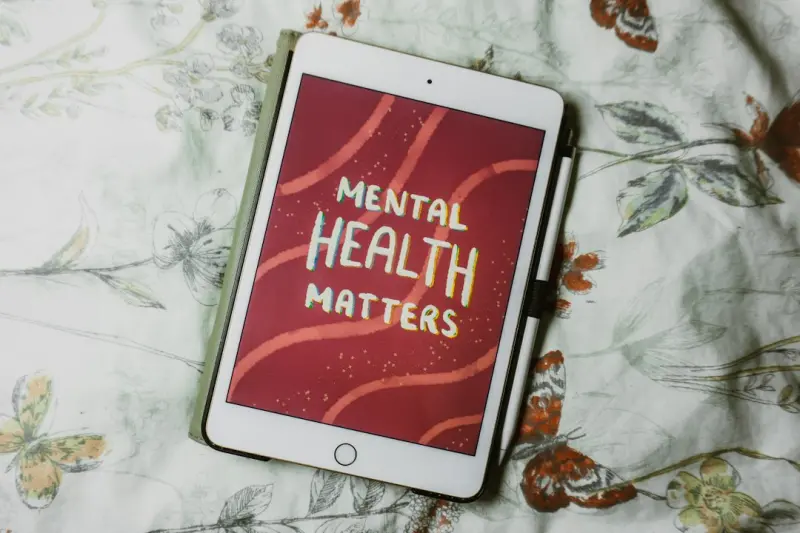
- The 30‑Second Visual Reset: Choose a calming image—perhaps a favorite photograph, a piece of art, or a nature wallpaper. When you feel stress bubbling up, stare at the image for 30 seconds, breathing slowly. This simple visual cue signals to your brain that it’s time to shift gears.
- The “Sip‑and‑Savor” Pause: Instead of gulping coffee or water, take a deliberate sip, notice the temperature, the flavor, and the sensation on your tongue. This mindful drinking practice anchors you in the present and gives your nervous system a micro‑break.
- The Gratitude Text: Send a quick, genuine message of appreciation to a colleague, friend, or family member. The act of expressing gratitude triggers oxytocin release, which combats stress and builds social connection.
These habits cost less than a minute each, yet they create a ripple effect that can calm the mind, boost mood, and improve productivity.
Building Your Personal Micro‑Habit Toolkit
When I first tried to embed these habits, I treated them like any other tool in my professional kit. I drafted a quick personal care essentials list, but with a focus on mental micro‑breaks rather than physical ergonomics. Here’s how I structured it:
- Identify Trigger Points: Notice the moments when stress spikes—maybe after a long meeting or when your inbox pings.
- Assign a Micro‑Habit: Pair each trigger with one of the three habits above. For example, after a meeting, do the 30‑second visual reset.
- Set a Reminder: Use a subtle phone vibration or a sticky note on your monitor. The reminder should be barely noticeable, just enough to prompt the action.
- Track Consistency: A simple checkmark in a notebook or a quick note in a digital to‑do list can help you see patterns and stay accountable.
Within two weeks, I noticed that my mind felt less “cluttered.” The micro‑habits acted like mental lubricants, smoothing out the friction that typically built up during back‑to‑back tasks.
Why “Micro” Beats “Macro” for Mental Health
Most mental‑health content I’ve encountered focuses on big‑picture solutions: therapy, meditation marathons, or weekend retreats. While those are valuable, they’re often intimidating for busy professionals who feel they don’t have the luxury of time.
Micro‑habits, by contrast, fit into the tiniest gaps of a day—between emails, during a coffee break, or while waiting for a document to upload. They’re not a substitute for deeper work on mental well‑being, but they serve as a bridge, making the larger steps feel more approachable.
Integrating Micro‑Habits Into Your Workspace
If you work from a dedicated office, consider turning a corner of your desk into a “micro‑reset zone.” Place a small picture frame, a favorite mug, and a notepad for gratitude texts. When you glance at this zone, you’re reminded to pause.
For those who work in open‑plan environments, a subtle visual cue—like a colored paperclip or a tiny plant—can serve the same purpose. The goal is to have a trigger that’s visible but not disruptive to colleagues.
Another tip: pair your micro‑habit with an existing routine. If you always stand up to stretch after a call, add a 30‑second visual reset right after the stretch. By piggybacking on a habit you already have, you lower the activation energy needed to adopt the new micro‑practice.
Case Study: From Overwhelmed to Centered
One of my clients, a senior product manager named Alex, reported chronic burnout despite using conventional stress‑relief techniques. After a quick audit, we discovered that Alex’s day was riddled with “transition gaps”—the moments between finishing a sprint review and starting the next deep‑work session. Those gaps felt like mental black holes.
We introduced a simple routine: after each major meeting, Alex would perform the 30‑second visual reset using a calming image on his laptop background, followed by a gratitude text to a teammate. Within a month, Alex’s self‑reported stress levels dropped by 40%, and his focus during deep‑work sessions improved dramatically.
Alex’s experience underscores how micro‑habits can be the missing link between high‑intensity work and sustainable mental health.
Micro‑Habits for Remote Workers
Even if you’re not glued to a physical desk, the principle holds. Remote workers often face “Zoom fatigue” and the blurring of home‑work boundaries. Here’s a quick adaptation:
- Window Watch: Look out a nearby window for 30 seconds, notice the weather, the colors, the movement. This connects you to the outside world, breaking the monotony of screen time.
- Tea Ceremony: Instead of a quick caffeine fix, brew a cup of tea, watch the steam rise, and savor each sip. This aligns with the “Sip‑and‑Savor” pause but adds a ritualistic element.
- Digital Gratitude Board: Use a shared Slack channel or a simple Google Doc where team members can drop quick thank‑you notes. The collective positivity fuels individual well‑being.
These tweaks respect the remote context while preserving the core idea: short, intentional moments that reset the nervous system.
Elevating the Experience: The Role of Environment
While micro‑habits are powerful on their own, pairing them with a soothing environment can amplify the effect. I recently explored the concept of a home spa sanctuary, not as a full‑blown spa, but as a series of sensory touches that make micro‑breaks more inviting.
Think of a scented candle you light only during your visual reset, or a soft, textured coaster for your “Sip‑and‑Savor” pause. These sensory anchors tell your brain, “It’s time to relax,” making the habit feel more rewarding.
Scaling Up: From Micro to Macro
Once you’ve mastered micro‑habits, you’ll likely feel more confident tackling larger mental‑health initiatives:
- Weekly Reflection: Set aside 10 minutes to journal about the week’s micro‑habit successes and challenges.
- Monthly Mind‑Mapping: Visualize how your micro‑habits intersect with larger goals—like improving work‑life balance or fostering stronger team connections.
- Quarterly Check‑Ins: Partner with a mentor or coach to review progress and adjust your habit toolbox as needed.
In this way, micro‑habits become the building blocks for a comprehensive mental‑wellness strategy.
Common Pitfalls and How to Avoid Them
Pitfall 1: Over‑complicating the Habit – If the habit feels like a task, you’ll skip it. Keep it simple; the visual reset is just staring, not analyzing.
Pitfall 2: Ignoring Personal Preference – Not everyone finds gratitude texts uplifting. Swap it for a quick stretch or a humming tune if that resonates more.
Pitfall 3: Inconsistent Timing – The habit works best when linked to a consistent trigger. Randomly doing it won’t create the neural pathways you need.
By staying mindful of these traps, you ensure that micro‑habits remain a sustainable part of your routine.
Final Thoughts: Embrace the Tiny, Celebrate the Big
In a world that glorifies hustle and constant achievement, the idea of pausing for 30 seconds can feel revolutionary. Yet, it’s precisely these fleeting moments that give our brains the breathing room they crave. By integrating micro‑habits into everyday workflows, we can cultivate a mental environment that’s resilient, focused, and, most importantly, kind to ourselves.
If you’ve been searching for a manageable way to boost your mental health without adding another massive item to your to‑do list, I encourage you to start small. Pick one micro‑habit, pair it with a personal cue, and observe the subtle shift in your day. You might be surprised at how much calm can be packed into a single breath.
Remember, the journey to mental well‑being isn’t a marathon; it’s a series of mindful steps—each one bringing you closer to a more centered, energized, and fulfilled professional life.

In the world of freelance writing, where creativity and adaptability are paramount, Michelle Fisher stands out as a dedicated and versatile professional. With a passion for crafting compelling narratives and a keen eye for detail, Michelle has established herself as a trusted voice.
Related Posts

The Soundtrack Strategy: How Curated Music Can Elevate Your Mental Health
Learn to transform your mental health with a personalized music strategy—use curated playlists, am... Read More

Playful Curiosity: Rewire Stress into Creativity
Curiosity isn’t just a hobby; it’s a mental‑health strategy. Learn three practical ways to tur... Read More

The Digital Sunset: How Turning Off Screens Restores Mental Clarity
Discover the power of a digital sunset—a simple routine of powering down devices each evening—to... Read More
Top Posts

The Garden Desk Revolution: How Outdoor Workspaces Are Redefining Employment
Explore how outdoor workspaces boost productivity, cut costs, and enhance wellbeing, turning garden desks into the secret weapon for modern employees....Read More

Beyond the Gym: Tiny Movements That Transform Office Health
Micro‑movements are quick, intentional actions woven into the workday that combat the health toll of prolonged sitting. Learn how these tiny habits can improv...Read More

Why Community Walking Beats Solo Exercise for Whole‑Body Health
Community walking merges the benefits of aerobic exercise with the power of social connection, enhancing heart health, mood, and immune function. Learn why walk...Read More
Reverse Mentoring: The Secret Weapon for Career Acceleration
Learn why reverse mentoring is the game‑changing strategy that lets senior leaders tap into fresh ideas, fast‑track skill development, and boost employee en...Read More
0 Comments
Post Comment
You will need to Login or Register to comment on this post!