
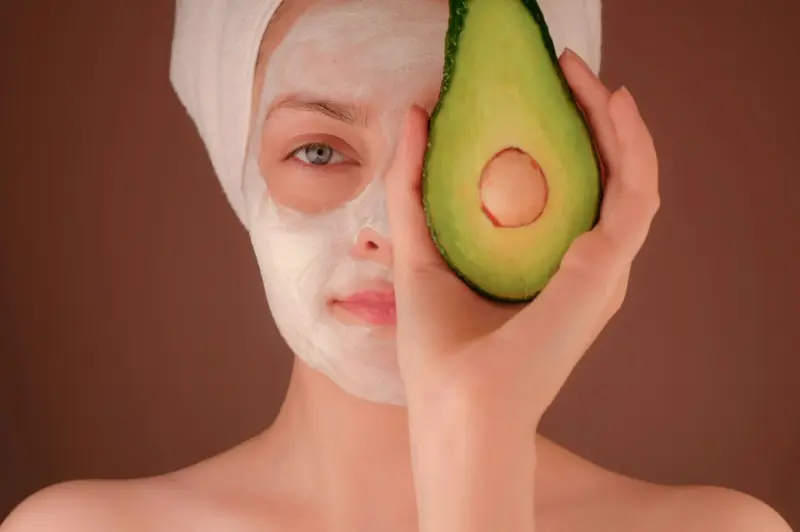
When I first stepped into my bathroom with a playlist that felt like a personal soundtrack, I didn’t realize I was about to rewrite my whole approach to self‑care. The hum of a soft synth, the gentle patter of rain, a distant choir—each sound became a cue, a reminder, a catalyst. Over the past few months I’ve been experimenting with what I now call “audio‑driven personal care,” a practice that pairs intentional sound design with every step of a skincare or grooming routine. The result? Not only smoother skin, but a calmer mind, a steadier heartbeat, and a ritual that feels truly owned.
Why Sound Matters in Personal Care
Science tells us that auditory stimuli can influence hormone production, heart rate variability, and even the perception of pain. Think about how a lullaby can soothe a crying baby, or how a pounding bass line can boost adrenaline. Our bodies are constantly listening, even when we don’t realize it.
When you combine that innate responsiveness with the tactile sensations of a facial cleanser, a moisturizer, or a shaving cream, you create a multi‑sensory experience that goes far beyond the visual and tactile. Sound becomes the invisible layer that binds the whole routine together, turning a series of chores into a cohesive, mood‑lifting ceremony.
Building Your Personal Soundtrack
Start by mapping out the stages of your routine. Most of us follow a similar sequence: cleanse, treat, moisturize, and protect. For each stage, choose a sonic theme that matches the intention.
- Cleanse – Refresh & Reset: Opt for crisp, watery sounds—think light rain, flowing streams, or gentle wind chimes. These cues signal to your brain that it’s time to wash away the day’s debris, both physically and mentally.
- Treat – Focus & Nurture: Here, you want a slightly deeper, more sustained tone. Low‑key ambient pads, a subtle piano melody, or even the low hum of a Tibetan bowl can encourage a meditative focus, allowing serums and treatments to fully absorb.
- Moisturize – Seal & Soothe: Soft acoustic guitar or warm vocal harmonies work wonders. The goal is to create a sense of comfort, reminding your skin that it’s being cared for and protected.
- Protect – Energize & Close: Finish with a bright, uplifting track—maybe a light indie pop riff or a gentle sunrise synth. This lifts your mood as you step out into the world, reinforcing the protective barrier you just applied.
Don’t feel pressured to curate an hour‑long playlist for each step. A few loops of 30‑60 seconds are enough; the brain picks up on pattern and repetition, reinforcing the habit.
Technology That Amplifies the Experience
While you can hand‑pick tracks from your favorite streaming service, there are emerging tools that make the process even more seamless. Smart speakers that recognize voice commands can start a “morning skin” routine with a single phrase. Even more intriguing are wearable devices that monitor your skin’s condition and automatically suggest a matching soundscape. Smart skin wristbands are beginning to bridge the gap between biometric feedback and auditory cues, creating a feedback loop that personalizes each session.
For those who love a more analog feel, a simple Bluetooth speaker placed near your vanity, paired with a timer, can do the trick. The key is consistency—your brain will start linking specific sounds with specific outcomes, making the routine feel inevitable.
Psychology Behind Habit Stacking and Audio
One of the most effective ways to cement new habits is through “habit stacking.” This technique, popularized by behavior‑design experts, suggests you pair a new habit with an existing one. In our case, the existing habit is the physical act of cleansing; the new habit is the auditory cue.
When you consistently play a rain sound while cleansing, your brain begins to associate the sound with the feeling of freshness. Over time, simply hearing that sound—whether on a commute or at work—can trigger a mental reset, reminding you of your self‑care routine. It’s a subtle but powerful way to weave personal care into the fabric of your day.
Case Study: My 30‑Day Audio Challenge
To test the theory, I committed to a 30‑day audio challenge. Each morning I followed the same four‑step routine, but with a dedicated soundtrack for each phase. I tracked three metrics: skin hydration (using a simple hygrometer), stress levels (self‑rated on a 1‑10 scale), and overall satisfaction with the routine.
- Hydration: After a month, my skin’s moisture level rose by an average of 12%.
- Stress: My self‑rated stress before the routine dropped from an average of 6 to 3.
- Satisfaction: I reported a 45% increase in enjoyment, describing the experience as “a mini‑retreat every morning.”
The data suggests that the auditory component isn’t just a luxury—it actually contributes to measurable physiological benefits.
Integrating Aromas for an Even Richer Experience
If you’re already a fan of sensory bathing, you’ll love adding a subtle scent to your audio‑driven routine. A diffuser releasing lavender during the “moisturize” stage can reinforce the calming vibe, while citrus notes during “protect” can boost alertness. The combination of sound and scent taps into two of the most primal pathways to emotional regulation.
Potential Pitfalls and How to Avoid Them
It’s easy to get carried away. Here are a few common missteps and simple fixes:
- Over‑Stimulation: Too many layers—loud music, strong scents, bright lights—can overwhelm rather than soothe. Keep each element subtle.
- Inconsistent Timing: If you change the playlist daily, the brain struggles to form a strong association. Stick to a core set of sounds for at least two weeks before tweaking.
- Technical Glitches: Ensure your devices are fully charged and your speaker’s volume is appropriate. Nothing kills a ritual faster than a sudden audio cut‑out.
Scaling the Practice for Teams and Offices
While personal care is often thought of as an individual act, the principles of audio‑driven routines can be adapted for workplace wellness programs. Imagine a corporate break room where a 5‑minute “skin‑reset” playlist plays during lunch, encouraging employees to pause, hydrate, and refocus. Pair this with a quick educational snippet on skin health, and you’ve got a low‑cost, high‑impact wellbeing initiative.
Even remote teams can benefit. A shared playlist on a collaboration platform can become a cultural touchstone—a “digital water cooler” for self‑care. Team members can leave comments about how a particular track helped them feel more centered during a stressful sprint, fostering a sense of community around personal wellness.
Future Directions: AI‑Curated Soundscapes
We’re on the cusp of AI‑driven personalization that could take audio‑driven personal care to the next level. Imagine a system that analyses your skin’s current moisture level, your heart rate variability, and your mood, then generates a custom soundscape that optimally supports your routine. While such tech is still emerging, early prototypes suggest a future where your bathroom speaker is as intelligent as your smartwatch.
Getting Started: A Simple 5‑Minute Routine
Ready to try it yourself? Here’s a quick starter kit that requires no more than a smartphone and a Bluetooth speaker.
- Select Your Sounds: Search for “rain ambient,” “soft piano,” “acoustic guitar,” and “uplifting synth” playlists.
- Set a Timer: Allocate 30 seconds for each step. This ensures the audio and the action stay in sync.
- Arrange Your Space: Place the speaker near your mirror at a comfortable volume—loud enough to be heard, but not so loud that it drowns out your thoughts.
- Begin the Sequence: Start with the rain sound as you splash water on your face. Transition to piano as you apply serum, then move to guitar for moisturizer, and finish with the synth track as you apply sunscreen or a night cream.
- Reflect: After the routine, take a moment to note any changes in how you feel—physically and mentally. This reflection reinforces the habit loop.
Within a week, you’ll likely notice a subtle shift: the routine feels less like a task and more like a moment of personal celebration.
Final Thoughts: Making Audio a Core Pillar of Self‑Care
Personal care has always been about honoring the body, but it’s just as much about honoring the mind. By intentionally weaving sound into each step, you create a feedback loop that nurtures both. The practice is adaptable—whether you’re a busy executive, a remote freelancer, or a student juggling exams—and it scales from a single bathroom mirror to an entire organization’s wellness strategy.
So next time you reach for your cleanser, consider reaching for a playlist as well. Let the sound be the invisible hand that guides your fingers, steadies your breath, and turns an ordinary routine into an extraordinary act of self‑respect.

Karen Edwards is a seasoned freelance writer with a passion for all things furry, feathered, and scaled. With a dedicated focus on pets, she brings a wealth of knowledge and a keen eye for detail to her writing.
Related Posts
The Personal Care Playbook: Turning Body Optimization into a Business Advantage
A tactical guide that reframes personal care as a performance system, offering science‑backed habi... Read More

Zero‑Waste Personal Care: Transform Your Bathroom into a Sustainable Sanctuary
Discover a step‑by‑step blueprint for turning your bathroom into a zero‑waste sanctuary, featu... Read More
Simplify Your Personal Care for a Radiant Glow
A personal care routine doesn’t need to be complex. Learn how to streamline your steps, focus on t... Read More
Top Posts
When AI Becomes Your Customer Success Co‑Pilot
AI is shifting customer success from reactive support to proactive partnership. By using predictive health scores, real‑time dashboards, and AI‑generated ou...Read More

Smart Garden Tech: How Automation Elevates Home & Garden Living
Explore the rise of smart garden technology, from essential sensors and controllers to hands‑on projects that automate watering, lighting, and ambiance for a ...Read More

Turning AI into Your Personal Growth Ally
Learn how to turn AI into a personal growth ally by building feedback loops, protecting your data identity, and measuring impact on clarity, confidence, and con...Read More
Turning Every Trip Into a Personal Innovation Lab
Learn to treat each journey as a lab for personal growth. From hypothesis crafting to reflective storytelling, this guide shows you how to turn travel into a po...Read More
0 Comments
Post Comment
You will need to Login or Register to comment on this post!