
When I first swapped my glossy, single‑use shampoo bottles for a tiny refillable sachet, I thought I was just making a small eco‑friendly tweak. Fast forward a few months, and I realized I’d stumbled onto a whole new philosophy of personal care—one that treats the routine as a strategic, low‑impact system rather than a series of disposable habits.
Why “Zero‑Waste” Isn’t Just a Buzzword
Zero‑waste personal care isn’t about living in a glass jar‑filled monastery. It’s about intentionality: asking, “Do I really need that extra product, and if so, how can I source it responsibly?” The answer often reveals surprising efficiencies. A single bar of solid shampoo can replace three to five plastic bottles, while a bamboo toothbrush lasts just as long as its plastic counterpart but leaves a fraction of the landfill footprint.
Beyond the environmental payoff, a trimmed‑down routine can simplify decision‑fatigue. When you own fewer products, you spend less mental bandwidth pondering which serum pairs best with today’s moisturizer. The result? A clearer mind and a smoother morning.
The Core Pillars of a Sustainable Routine
- Ingredient Transparency: Choose products that disclose their full ingredient list. This empowers you to avoid hidden micro‑plastics, synthetic fragrances, and harmful preservatives.
- Packaging Philosophy: Prioritize refillable, biodegradable, or recyclable containers. Look for brands that offer bulk options or partner with local refill stations.
- Multi‑Functionality: Consolidate steps. A cleansing balm that doubles as a makeup remover, for instance, reduces the need for multiple products.
- Longevity & Reusability: Invest in tools that endure—think stainless steel razors, silicone face scrubs, and reusable cotton rounds.
Mapping Your Personal Care Inventory
Begin with an audit. Lay out everything you use from head to toe—shampoo, conditioner, body wash, facial cleanser, moisturizers, oral care items, and even the occasional fragrance. For each item, ask:
- Is the packaging recyclable, compostable, or refillable?
- Can the product be replaced with a solid or concentrated version?
- Does the item serve a single purpose that could be merged with another?
When you spot redundancies, it’s an invitation to streamline. For example, a gentle, pH‑balanced cleanser can double as a shaving cream if it produces a rich lather.
Concrete Swaps That Make a Difference
Hair Care
Solid shampoo bars are the poster child of zero‑waste hair care. Look for sulfate‑free formulas with natural oils like argan or jojoba. Pair the bar with a silicone‑free conditioner bar, or skip conditioner altogether if your hair type is low‑maintenance.
Body Wash
Instead of a plastic bottle, opt for a biodegradable washcloth soaked in a few drops of liquid castile soap. The soap lasts weeks, and the cloth can be washed and reused indefinitely.
Facial Regimen
Switch to a facial oil that doubles as a night moisturizer. Oils such as rosehip or squalane provide hydration, antioxidant protection, and a soothing barrier—all in one bottle.
Oral Hygiene
Invest in a bamboo toothbrush with replaceable heads. Complement it with a toothpaste tablet that dissolves in a sip of water, eliminating the need for a traditional tube.
Tech‑Enabled Personal Care: The Data Edge
Smart wearables aren’t just for step counts. Devices that monitor skin hydration, UV exposure, or even pH levels can guide you toward more precise product use. If you’ve ever wondered how to calibrate your routine to your body’s real‑time needs, a quick look at skin‑sensing wristbands can spark ideas.
Imagine a wristband that alerts you when your skin’s moisture drops below a threshold, prompting you to apply a mist or switch to a richer cream. Such feedback loops help you avoid over‑application—one of the hidden waste culprits in personal care.
DIY Essentials: When the Kitchen Becomes Your Lab
Many staple ingredients sit right in your pantry, waiting to become high‑performing personal‑care products. Here are three crowd‑pleasers you can whip up in minutes:
- Honey‑Lemon Exfoliating Scrub: Mix equal parts raw honey, fine sea salt, and fresh lemon juice. The honey soothes, the salt exfoliates, and the lemon brightens.
- Shea Butter Lip Balm: Melt shea butter with a splash of coconut oil, add a drop of peppermint essential oil, and pour into a small reusable tin.
- Green Tea Toner: Brew a strong cup of green tea, let it cool, then add a splash of witch hazel. Store in a glass spray bottle for a refreshing, antioxidant‑rich finish.
These recipes cut down on packaging waste and let you tailor ingredients to your skin’s sensitivities. Plus, the act of creating your own care products can be a meditative ritual—a reminder that personal care is as much about mindset as it is about material.
Zero‑Waste Travel Hacks
Many assume that a sustainable routine crumbles when you’re on the road. Not so. The key is portability and refill strategy. Carry a compact silicone travel bottle, a solid shampoo bar, and a foldable bamboo toothbrush. Many airports now feature refill stations for body wash and shampoo—use them to top off your containers rather than buying new travel‑size plastic bottles.
For longer trips, consider a “personal care capsule”—a small zip‑lock bag filled with pre‑measured DIY mixes. When you land, you simply add water, shake, and you’re ready to go.
The Economics of Going Light
It might feel counterintuitive, but a zero‑waste approach can save money in the long run. Bulk buying reduces per‑unit cost, and reusable tools spread their initial expense over many years. A single stainless steel razor, for instance, can replace dozens of disposable cartridges, translating into a tangible financial return.
Additionally, many brands now offer subscription refill services. You receive a glass jar of shampoo or a metal soap dispenser refill on a set schedule, often at a discount compared to the retail price of a new bottle.
Community and Accountability
Adopting a low‑waste regimen doesn’t have to be a solo mission. Join online forums or local meet‑ups focused on sustainable beauty. Share recipes, swap products, and celebrate milestones together. The collective knowledge pool can inspire innovations you’d never discover on your own.
One inspiring story I stumbled across involved a community garden that also grew its own aloe vera and lavender for DIY after‑shave balms. The initiative not only reduced packaging waste but also fostered neighborhood bonds—a reminder that personal care can ripple out into larger societal benefits.
Measuring Success: Beyond the Trash Bin
While counting the number of plastic bottles you’ve avoided is satisfying, true success also reflects in skin health, mental clarity, and even your carbon footprint. Track three simple metrics for a month:
- Waste Volume: Record the weight of personal‑care waste you generate each week.
- Product Efficiency: Note how many uses you get out of each product before it runs out.
- Skin/Body Feedback: Journal any changes in irritation, dryness, or overall comfort.
Over time, you’ll see patterns—perhaps a particular refillable moisturizer lasts longer than its plastic counterpart, or a DIY scrub leaves your skin smoother than a store‑bought version. Those insights become the compass guiding future purchases.
Future‑Proofing Your Routine
As more brands adopt circular packaging and transparent sourcing, the market will continue to shift toward sustainable options. Stay ahead by:
- Following brands that publish life‑cycle assessments.
- Supporting startups that prioritize refill stations in public spaces.
- Advocating for legislation that incentivizes reusable packaging.
When you align your personal care choices with broader environmental movements, you become part of a larger narrative—one where individual habits amplify into collective impact.
Conclusion: The Power of Small, Thoughtful Shifts
Zero‑waste personal care isn’t a rigid checklist; it’s a fluid mindset that invites curiosity, experimentation, and continuous refinement. By auditing your current routine, swapping out high‑impact items, embracing smart tech, and even crafting your own essentials, you can dramatically reduce waste without compromising on effectiveness.
Remember, the most meaningful change often starts with a single bar of shampoo or a bamboo brush. From there, the ripple effect can transform not just your bathroom shelf, but the planet you inhabit.

Jimmy Anand is a content creator that gets inspired by many aspects of life, internet or whatever inspires him at that moment. When he's not online he's gaming and when he is not gaming he is online trolling discussion boards.
Related Posts
Elevate Your Daily Grooming: Tiny Rituals for Big Confidence
Learn to turn everyday grooming into a confidence‑building ritual with time‑boxed bursts, scentâ... Read More
Micro‑Mobility: The Quiet Revolution in Personal Care
Micro‑Mobility turns everyday motion into a powerful personal care tool. Learn simple stretches, p... Read More
Reimagining Personal Care for the Remote‑Work Era
A practical guide for remote‑workers to redesign personal‑care habits using micro‑rituals, ded... Read More
Top Posts
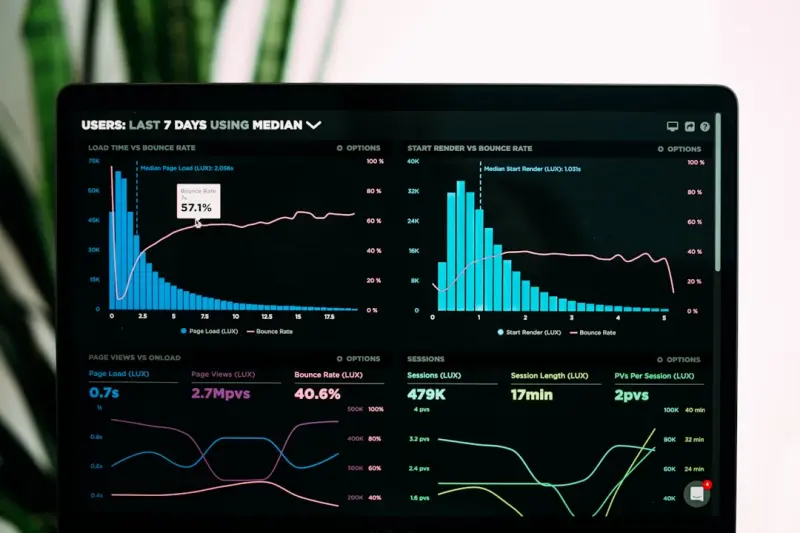
Design Your Own Mental Health Dashboard
A step‑by‑step guide to building a personal mental health dashboard, turning mood, energy, and stress scores into actionable insights that improve focus, re...Read More

Purpose‑First Projects: A New Blueprint for Employee Engagement
Purpose‑first projects let employees align personal values with company goals through short, impactful initiatives, driving higher engagement, measurable ROI,...Read More

When Play Becomes Therapy: Reclaiming Childhood Joy for Adult Mental Wellness
This article explores how integrating playful activities into daily routines can enhance mental health, improve focus, and build resilience, offering practical ...Read More

Multi‑Functional Furniture Secrets: Turn Every Corner Into a Purpose‑Built Zone
Discover practical, budget‑friendly strategies to turn any room into a multi‑functional zone, using convertible pieces, vertical storage, and smart design h...Read More
0 Comments
Post Comment
You will need to Login or Register to comment on this post!