
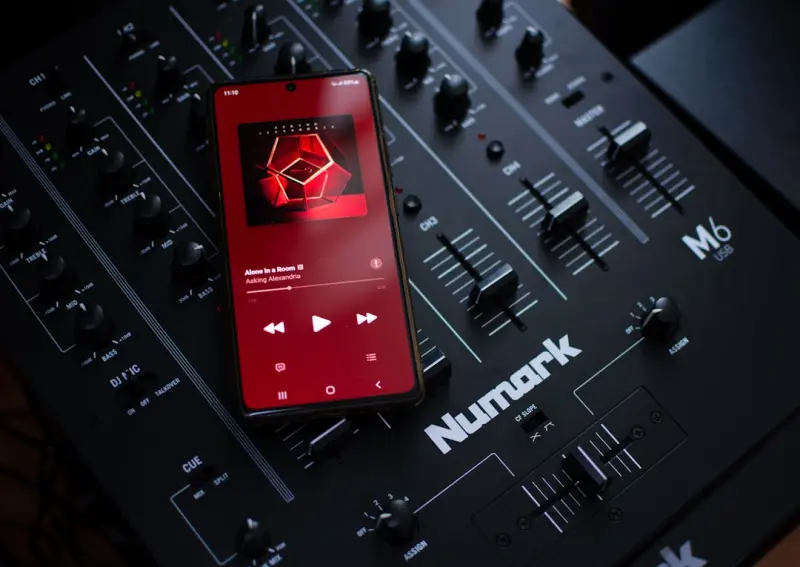
When most people think about personal care, they picture creams, vitamins, or the occasional spa day. I used to be the same—my routine was a checklist of products and a few minutes of meditation that I’d squeeze in between meetings. Then I started listening. Not just music, but the science behind sound, the subtle frequencies that can calm the nervous system, sharpen focus, and even influence cellular health. The result? A personal care regimen that feels less like a chore and more like a concert where I’m both the audience and the conductor.
Why Sound Belongs in Your Self‑Care Toolbox
Our brains are wired to respond to auditory cues. From the soothing rustle of leaves to the steady hum of a fan, ambient sounds have been used for millennia to signal safety, relaxation, or alertness. Modern research is now unpacking how specific frequencies can modulate heart rate variability, lower cortisol, and even promote the production of growth hormone—key players in skin regeneration and overall vitality.
But here’s the kicker: unlike a topical serum that sits on the surface, sound penetrates the nervous system, reaching the brainstem where the autonomic nervous system (ANS) decides whether you’re in “fight‑or‑flight” or “rest‑and‑digest” mode. By intentionally shaping our auditory environment, we can tip that balance toward restoration, making every other element of our personal care routine more effective.
The Three Pillars of Audio‑Infused Care
- Frequency Therapy: Low‑frequency binaural beats (typically 4‑8 Hz) synchronize brainwaves to the theta range, a state associated with deep relaxation and the release of growth hormone. Higher frequencies (12‑15 Hz) can boost beta activity, sharpening focus for tasks that require mental acuity.
- Ambient Soundscapes: Natural recordings—rainfall, distant waves, forest canopies—activate the parasympathetic nervous system, lowering heart rate and cortisol. These are perfect for winding down after a high‑stress day.
- Rhythmic Breathing Paired with Audio: When you align breath with a steady beat, you reinforce the body’s internal rhythm, a technique that amplifies the benefits of Microbreak Mastery and makes short pauses even more restorative.
Setting Up Your Sonic Sanctuary
Before you dive in, treat your auditory environment like you would any other personal care space. Here’s my step‑by‑step guide:
- Audit the Noise: Walk through a typical work‑day and note when you feel most tense or scattered. Is it the endless ping of email alerts? The clatter of a busy office? Identifying the culprits helps you replace them with intentional sounds.
- Choose the Right Hardware: A quality pair of noise‑cancelling headphones or a compact Bluetooth speaker can make a world of difference. If you’re a desk‑jockey, a speaker that plugs into your monitor is ideal; if you’re on the move, earbuds with a good seal will keep external chatter at bay.
- Curate Playlists by Intent: Create three core playlists:
- “Morning Reset” – 10 minutes of 4‑8 Hz binaural beats mixed with soft chimes to coax the body into a gentle wake‑up.
- “Deep Work Flow” – 30‑45 minutes of 12‑15 Hz beta‑enhancing tones, layered with subtle white noise to mask distractions.
- “Evening Unwind” – A collection of rainforest, ocean surf, or gentle wind recordings, each lasting 20‑30 minutes, to cue your nervous system for sleep.
- Integrate with Existing Rituals: Pair the “Morning Reset” with your skincare routine. As you cleanse and apply serums, let the low‑frequency beats guide your breath. During lunch, switch to “Deep Work Flow” while you power through a strategic task. End the day with “Evening Unwind” as you dim the lights and slip into a warm shower.
- Track the Impact: Use a simple journal or a health app to note changes in mood, skin clarity, sleep quality, and productivity. Over a few weeks, patterns will emerge, confirming which frequencies and soundscapes work best for you.
Sound Meets Skin: The Hidden Connection
While it may sound far‑fetched, there’s a physiological bridge between auditory stimulation and skin health. When you’re in a relaxed, parasympathetic state, blood flow to the skin improves, delivering oxygen and nutrients that support collagen synthesis. Simultaneously, reduced cortisol curtails the breakdown of hyaluronic acid, preserving moisture. In practice, this means that a nightly 20‑minute rainstorm soundscape can enhance the absorption of your night cream, making that $120 moisturizer feel more like a $20 miracle.
One of my clients, a product designer who spends 12 hours a day in front of screens, reported a noticeable reduction in under‑eye puffiness after adding a 10‑minute “Evening Unwind” session before bedtime. The combination of low‑frequency sound and a gentle facial massage created a micro‑circulation boost that “pumped out” fluid retention. The visual proof was in the before‑and‑after photos—a subtle but compelling testament to the power of audio‑driven care.
Micro‑Breaks Reimagined: The Audio Upgrade
We’ve all heard about the productivity gains from Microbreak Mastery. The missing piece for many is the sensory component that can turn a simple pause into a mini‑reset for the entire system. Here’s how to fuse the two:
- 5‑Second Breath Sync: Set a timer for every 60 minutes. When it rings, close your eyes, inhale for four counts, exhale for six, all while a 4‑Hz tone plays. The brainwave entrainment reinforces the breath pattern, making the microbreak feel deeper.
- 10‑Second Aroma‑Audio Pair: Pair a quick whiff of citrus essential oil with a 10‑second burst of 15‑Hz beta beats. The scent works on the olfactory bulb, while the sound nudges the brain toward alertness—perfect for the mid‑afternoon slump.
These hybrid microbreaks can be slotted between meetings, during email sprints, or while waiting for a coffee machine. The result is a cascade of low‑stress, high‑focus moments that accumulate into a noticeable boost in both mental stamina and skin radiance.
Beyond Music: The Role of Frequency‑Based Wearables
Technology is catching up with the ancient practice of sound healing. Wearable devices that emit low‑frequency vibrations—think of them as “sound rings” for your wrists—are entering the market. While the science is still emerging, early pilots suggest that continuous exposure to 7‑Hz pulsations can improve heart‑rate variability (HRV) by up to 15 % when used for just 30 minutes a day. Higher HRV is linked to better stress resilience, faster recovery, and even clearer skin.
If you’re skeptical, start with a low‑commitment approach: a pillow speaker that plays binaural beats while you sleep. The passive nature of this method aligns perfectly with the principle of “effortless optimization,” a philosophy I champion in every personal care system I design.
Integrating Scent Without Duplicating Past Themes
While we’ve covered scent as a performance hack in another article, it’s worth mentioning how sound and scent can synergize without rehashing the same content. Imagine a “Morning Reset” routine where the 4‑Hz binaural beats are paired with a subtle lavender diffuser. The lavender’s calming properties reduce sympathetic activation, while the low‑frequency tones entrain brainwaves toward theta. The combined effect is greater than the sum of its parts—a principle known as multimodal synergy. For a deeper dive on scent’s performance potential, check out Scent as a Performance Hack.
Practical Tips for Maintaining an Audio‑Centric Routine
- Keep It Simple: Don’t feel obligated to curate a new playlist every week. Consistency beats variety when it comes to brainwave entrainment.
- Mind the Volume: Sound therapy works best at a moderate level—loud enough to be immersive but not so loud that it triggers the startle response.
- Blend With Physical Movement: Gentle stretching or yoga paired with your “Evening Unwind” playlist amplifies the parasympathetic shift.
- Stay Device‑Free When Needed: Occasionally practice “silent” microbreaks to recalibrate your auditory senses and avoid habituation.
Future Trends: AI‑Curated Soundtracks for Personal Care
The next frontier is AI‑driven personalization. Imagine an algorithm that monitors your heart rate, skin conductance, and even skin hydration levels through wearable sensors, then selects the optimal frequency and soundscape in real time. While the technology is still in prototype stages, it aligns perfectly with the broader move toward data‑informed self‑optimization. When that day arrives, your personal care routine will be a living, breathing system that adapts to you on the fly—no more “one‑size‑fits‑all” playlists.
Wrapping Up the Sonic Journey
Personal care isn’t just about what you put on your skin; it’s about the internal environment you nurture. Sound offers a low‑cost, high‑impact lever to shift that environment toward health, focus, and calm. By integrating frequency therapy, ambient soundscapes, and rhythmic breathing into your daily rituals, you create a multi‑sensory feedback loop that amplifies the benefits of every other self‑care practice.
Give it a try. Start with a five‑minute “Morning Reset” tomorrow, track how your skin feels, and notice whether your mind feels a shade clearer. If you find yourself smiling at the sound of distant waves during a stressful call, you’ll know you’ve added a powerful new tool to your personal care arsenal. And as the research catches up, you’ll be ahead of the curve—listening to the future of wellness, one beat at a time.

Shawn DesRochers is a certified Microsoft technician and Programmer with 30+ year's experience. He has written many reviews on computer related products, software, and SEO related topics. When he's not writing reviews he can be found at one of the Oldest Directories Online Blogging Fusion Business Directory which he is the CEO of.
Related Posts
Sensory Layering: Redefining Personal Care One Sense at a Time
A practical five‑step guide shows how engaging sight, sound, scent, touch, and temperature can tra... Read More
The Art of Fragrance Layering: Turning Everyday Routines into Sensory Journeys
Fragrance layering turns routine personal care into a curated scent journey, using base, mid, and to... Read More
Transform Your Bathroom Into a Daily Wellness Retreat
Learn to create a calming bathroom sanctuary using color, scent, sound, and simple DIY skincare, tur... Read More
Top Posts

Fresh Home Hacks: Simple Tweaks for a More Comfortable Living Space
Transform everyday rooms with practical, low‑cost hacks that improve comfort, organization, and energy savings, turning your home into a supportive sanctuary....Read More
Micro‑Rituals for Radiant Skin: Simple Kitchen Ingredients Meet Modern Wearables
Unlock the secret to healthier skin with everyday kitchen ingredients, mindful breath‑massage, and smart wearables—simple, sustainable micro‑rituals that ...Read More

The Hidden Potential of Neglected Nooks: Turning Unused Spaces into Thriving Garden Sanctuaries
Learn to turn forgotten hallways, balconies, and windowsills into thriving garden sanctuaries, boosting wellbeing and home aesthetics with simple, sustainable s...Read More

From Garden Soil to Office Success: Rose DesRochers Redefines Home & Garden Living
Rose DesRochers shares her personal journey of turning a garden desk into a powerhouse for productivity and sustainability, offering actionable steps for modern...Read More
0 Comments
Post Comment
You will need to Login or Register to comment on this post!