
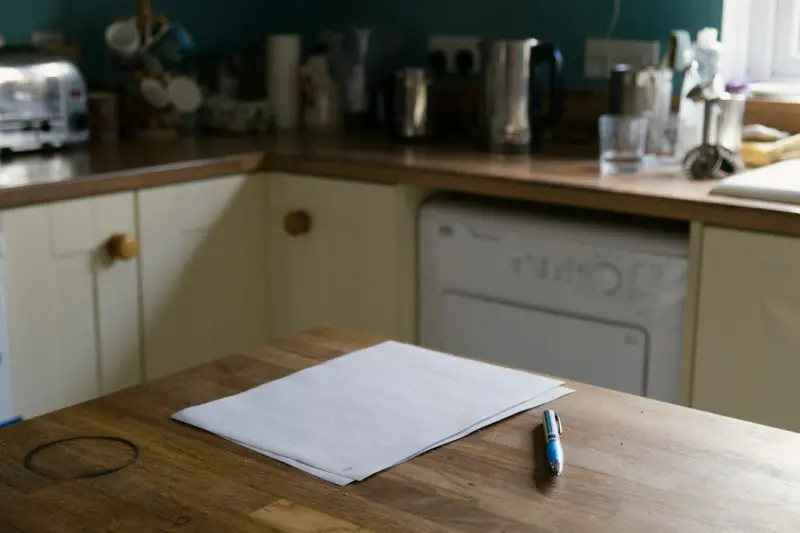
Why Your Kitchen Drawers Deserve a Makeover (And How to Do It Right)
When I first moved into my downtown loft, I fell in love with the open‑concept layout and the way natural light poured onto the hardwood floors. But there was one place that constantly stole my joy: the kitchen drawers. Utensils tangled, spices were lost, and every attempt to find a simple whisk turned into a scavenger hunt. It was a silent source of daily frustration, and I realized that a tidy, well‑organized drawer isn’t a luxury—it’s a productivity booster.
Understanding the Hidden Cost of a Disorganized Drawer
Before diving into the how‑to, let’s talk about the why. A cluttered drawer can add up to minutes of wasted time each day. Multiply that by the number of meals you prepare each week, and you’re looking at a significant loss of valuable time—time that could be spent with family, on a side project, or simply enjoying a quiet cup of coffee.
Beyond time, there’s the hidden psychological toll. Studies show that visual clutter can increase stress hormones, making it harder to focus and stay calm. While the research is often cited in office settings, the same principle applies at home. Your kitchen is the heart of the house; a chaotic hub can ripple out, affecting the overall vibe of your living space.
The 7‑Step System to Transform Every Kitchen Drawer
Here’s my tried‑and‑tested, step‑by‑step framework that has turned my own chaotic drawers into a model of efficiency. Feel free to adapt it to your own kitchen layout and cooking style.
- Empty Everything. Pull out every item, place them on a clean countertop, and wipe the drawer interior with a damp cloth. This is your fresh canvas.
- Sort by Category. Group items into logical buckets: cooking utensils, baking tools, prep accessories, and specialty gadgets. This visual sorting helps you see what you actually own.
- Declutter Ruthlessly. If you haven’t used a tool in the past six months, consider donating or recycling it. Keep only the items that earn a regular spot in your cooking routine.
- Measure Your Space. Use a ruler or tape measure to note the width, depth, and height of each drawer. Knowing exact dimensions lets you select or craft the perfect organizers.
- Invest in Adjustable Dividers.customizable drawer dividers are a game‑changer. Look for models that let you slide sections to fit utensils of various lengths.
- Assign a Home for Each Item. Place the most frequently used tools—like your chef’s knife, spatula, and measuring spoons—in the most accessible zone (usually the front or the top of the drawer).
- Label (If You Need To). Small, reusable labels can be a subtle reminder of where things belong, especially for less‑used items like a garlic press or pastry cutter.
Smart Storage Hacks You Probably Haven’t Tried
Below are some clever, low‑cost ideas that can further streamline your drawers without breaking the bank.
- Magnetic Strips for Metal Tools. Attach a thin magnetic strip to the drawer side and slide metal utensils—like a small whisk or a stainless‑steel peeler—onto it. This frees up floor space and keeps them visible.
- Repurpose a Bread Box for Baking Supplies. A shallow bread box fits neatly in a deep drawer, creating a dedicated compartment for flour, sugar, and baking powder. It also contains spills.
- Use Silicone Baking Mats as Non‑Slip Liners. Cut them to size and line the bottom of a drawer to prevent items from sliding around when you open it.
- Roll Up Small Items. For items like silicone spatulas or silicone brushes, roll them tightly and secure with a rubber band. This reduces their footprint dramatically.
- Tiered Stacking Trays. Small, stackable trays (think coffee bean containers) can hold spices or tiny gadgets. They’re perfect for deep drawers where items tend to get lost at the back.
Integrating Technology Without Over‑Complicating
While a drawer doesn’t need a full‑blown smart home system, a few tech touches can make life easier.
Consider AI‑driven inventory apps that sync with your phone. By scanning barcodes of pantry items, the app can remind you when you’re low on a spice, prompting you to restock before you’re left scrambling for flavor.
Another simple tool is a Bluetooth‑enabled kitchen scale that pairs with a cooking app. Place the scale inside the drawer, and when you lift a utensil, the app can log its weight, helping you track usage patterns over time.
Seasonal Rotation: Keeping the Drawer Fresh Year‑Round
Just as you rotate your wardrobe seasonally, your kitchen drawer can benefit from a similar approach. Here’s how:
- Spring/Summer. Focus on lighter tools—salad tongs, fruit slicers, and herb scissors.
- Fall/Winter. Prioritize heavier gear like soup ladles, pastry brushes, and roasting forks.
By swapping out tools that are less relevant to the current season, you keep the most useful items front and center, reducing the temptation to overfill the drawer.
Maintaining the System: A 5‑Minute Weekly Ritual
Organization isn’t a set‑and‑forget task. Spend just five minutes each week doing the following:
- Wipe the drawer interior with a dry microfiber cloth.
- Re‑align any dividers that may have shifted.
- Put stray items back in their proper places.
- Check for any broken or damaged utensils and replace them.
Over time, this tiny habit cements the habit of order and prevents the dreaded “drawer avalanche” before it starts.
Beyond Drawers: Extending the Philosophy to the Rest of Your Kitchen
Once your drawers are under control, apply the same principles to cabinets, pantry shelves, and even the countertop. The core ideas—empty, sort, declutter, measure, customize, assign, label—are universally applicable.
For example, in cabinets, use clear bins for grouping similar items (e.g., baking dishes). On the countertop, keep only the “daily essentials” out; store the rest in designated zones. This creates a visual calm that supports the organized drawer system you’ve built.
Final Thoughts: The Ripple Effect of an Organized Kitchen
When your kitchen drawers are tidy, you’ll notice a subtle but powerful shift: cooking becomes a joy rather than a chore, you waste less food, and the entire household enjoys a smoother flow. It’s a small change with a surprisingly big impact on daily life. So, roll up your sleeves, grab a box, and give those drawers the love they deserve. Your future self—and your stress levels—will thank you.

Melanie Wilson, Freelance writer with a flare for everything. I am passionate about topics I write crafting stories and compelling content that connect with audiences. Journeying through the realms of creativity as a freelance creator. #WriterLife #ContentCreator
Related Posts

Seasonal Home Maintenance Checklist: Keep Your House Running Smoothly All Year
A practical, season‑by‑season guide helps homeowners stay ahead of repairs, reduce utility costs... Read More

The Hidden Power of Everyday Home Tweaks: Boost Comfort, Save Money, and Reduce Stress
Learn how tiny, often overlooked adjustments—like optimizing entryways, passive cooling, acoustic ... Read More

Hidden Home Wins: Everyday Tweaks That Transform Your Space
Unlock overlooked spaces and eco‑friendly tricks to upgrade your home’s functionality and feel. ... Read More
Top Posts

Edible Landscaping: How to Grow a Beautiful, Productive Garden That Feeds Your Table
A fresh look at turning your outdoor space into a thriving edible landscape that’s as stunning as it is sustainable....Read More
Daylight & Digital Boundaries: A Fresh Prescription for Mental Wellness
Explore a practical, science‑backed approach to mental health that combines daylight exposure with digital boundaries, offering simple habits to improve mood,...Read More
Why My Garden Desk Became the Heartbeat of Home Living
A garden desk turned my backyard into a thriving creative hub, where sunlight fuels focus, nature sparks ideas, and every task feels like a breath of fresh air....Read More
Micro‑Movements at Your Desk: Tiny Actions, Big Health Gains
Mei Chen shares a practical guide to integrating micro‑movements into a busy workday, explaining the science, offering easy exercises, and linking habit‑for...Read More
0 Comments
Post Comment
You will need to Login or Register to comment on this post!