

Beyond Tourist Trails: Crafting Immersive Journeys That Reshape Your Inner Compass
When I first set foot on a remote highland village, the only thing louder than the wind was the echo of my own thoughts. It wasn’t the glossy brochure that had drawn me there, but a quiet curiosity about what happens when you trade a checklist for a conversation with the land itself. Travel, for me, has become less about ticking off “must‑see” sites and more about engineering experiences that nudge the mind, body, and spirit into new territory. In this post, I’ll share a framework I’ve been testing on the road—one that turns ordinary trips into transformational pilgrimages.
The “Four‑Layer” Blueprint for Deeper Travel
Imagine your journey as a four‑story building. The ground floor is the obvious—the sights, the food, the logistics. The higher floors are increasingly subtle, each requiring intentional design to reach. Below is the Four‑Layer Blueprint that helps travelers build depth without losing the joy of spontaneity.
- Layer 1: Physical Presence – Getting there, staying safe, and navigating the environment.
- Layer 2: Sensory Engagement – Listening to local sounds, tasting unfamiliar flavors, feeling textures.
- Layer 3: Cultural Dialogue – Conversing with residents, learning customs, sharing stories.
- Layer 4: Reflective Integration – Processing the experience, noting shifts in perception, applying insights at home.
Most travelers linger on Layer 1 and maybe dabble in Layer 2. The magic happens when you consciously ascend to Layers 3 and 4. Below, I break down each layer with actionable tips, anecdotes, and a few links to related concepts that enrich the journey.
Layer 1: Mastering the Fundamentals Without Distraction
Even the most adventurous soul can’t explore deeply if the basics are shaky. Here are the non‑negotiables I keep front‑and‑center:
- Research with purpose: Instead of a blanket Google search, focus on “local transit hubs,” “community markets,” and “public gathering spots.” These micro‑nodes are where authentic life unfolds.
- Travel light, travel smart: A versatile backpack, a reusable water bottle, and a portable charger free you from the tyranny of luggage and let you move fluidly.
- Safety nets: Share your itinerary with a trusted contact, keep digital copies of important documents, and learn a handful of key phrases in the local language.
When these elements click, you free mental bandwidth for the richer layers ahead.
Layer 2: Engaging All Senses for an Immediate Connection
Our brains process the world through a symphony of sensory data. To truly inhabit a place, you must tune into that symphony.
Start by listening. In the bustling streets of a coastal town, the rhythm of market chatter, distant boat horns, and gulls creates a unique soundscape. If you’ve ever wondered how curated auditory environments affect the mind, check out the article on tuning in with soundscapes. While that piece focuses on mental resilience, the same principle applies when you let local sounds dictate your pace rather than your itinerary.
Next, taste beyond the touristy plates. Street vendors often serve dishes that have been perfected over generations. Order the daily special without asking for a translation—let the flavors surprise you. Pair that with a mindful pause: chew slowly, notice textures, and let the aroma anchor you in the moment.
Finally, touch. Walk barefoot on sand, press your palm against ancient stone walls, or feel the humidity of a rainforest canopy. Physical contact with the environment grounds you, making the experience tangible long after you return home.
Layer 3: Conversing with Culture—From Observation to Participation
When you move from passive observation to active participation, travel becomes a two‑way exchange.
Here are three tactics I’ve refined:
- Ask “why” instead of “what”: If a local explains a ritual, probe the story behind it. This invites deeper insight and shows genuine curiosity.
- Share a skill: Offer something you’re good at—a quick photography tip, a song on your phone, or a simple cooking technique. Reciprocity builds trust.
- Volunteer for a day: Even a few hours helping at a community garden or a local school immerses you in daily life and creates lasting bonds.
These conversations often reveal the hidden narrative of a place—its aspirations, fears, and everyday joys. They also challenge your assumptions, fostering a more nuanced worldview.
Layer 4: Turning Experiences into Lasting Change
The final layer is where most travelers stumble: they return home, unpack, and the vivid memories fade. To prevent that, I treat each trip as a research project, complete with notes, reflections, and actionable takeaways.
Step 1: Immediate Debrief – Within 24 hours, write a short journal entry. Capture the most striking sensory detail, a conversation snippet, and any emotion that surprised you.
Step 2: Thematic Synthesis – After the trip, review your notes and identify recurring themes. Perhaps you noticed a collective reverence for water, or a shared community practice of evening storytelling.
Step 3: Integration Plan – Decide how to incorporate insights into your daily life. If you were inspired by a local’s practice of sunrise meditation, set a reminder to try it for a week.
When you treat travel as a catalyst for personal evolution, each journey compounds on the last, shaping an ever‑expanding inner compass.
Practical Tools to Elevate Each Layer
Below are tools and habits that have helped me operationalize the Four‑Layer Blueprint.
- Travel Journal App: Choose an app that lets you embed photos, audio recordings, and GPS tags. This creates a multimodal archive you can revisit.
- Micro‑Adventure Planning: Borrow a concept from micro‑outdoor moments. Instead of a full‑day excursion, schedule 30‑minute “micro‑adventures” like a sunrise walk on a city rooftop or a quick paddle in a nearby creek. These bite‑size experiences keep the sense of discovery alive throughout the trip.
- Sound Capture Device: A tiny recorder lets you capture ambient sounds for later playback. Re‑listening can rekindle the feeling of being in that place, especially when you’re far away.
Case Study: From Tourist to Community Co‑Creator in a Mountain Village
Last spring I spent ten days in a high‑altitude village tucked away in the Andes. My initial plan was simple—hike to the viewpoint, sample the local stew, and leave. Within the first two days, the Four‑Layer Blueprint nudged me toward a deeper path.
Layer 1 was flawless. I arrived via a shared minibus, lodged in a family‑run guesthouse, and learned the basic safety protocols for high altitude.
In Layer 2, I woke before sunrise and let the crisp mountain air fill my lungs. I recorded the distant bleating of sheep and the subtle rustle of pine needles. The next morning, I tasted a barley porridge that the host prepared with wild herbs I had never heard of.
For Layer 3, I joined a local weaving circle. Instead of watching, I asked to try the loom. The elder weaver explained how each pattern tells a story of the season. I shared a quick tutorial on how to photograph textures, which she used to document the finished pieces.
Finally, in Layer 4, I drafted a short piece titled “Weaving Stories into Fabric” and sent it to a cultural preservation nonprofit. The piece sparked a small grant that helped the community purchase new loom equipment.
What began as a simple hike evolved into a collaborative project that left a tangible imprint on both the village and my own outlook on travel.
Designing Your Next Immersive Trip
Ready to apply the Four‑Layer Blueprint? Here’s a quick checklist you can print or save on your phone:
- Define Intent – What inner shift are you seeking? (e.g., increased patience, cultural empathy)
- Choose Destination with Potential – Look for places where local practices align with your intent.
- Map Layer Activities – List at least one activity per layer (e.g., attend a market (Layer 2), join a community meeting (Layer 3)).
- Pack Sensory Tools – Notebook, recorder, small sketchbook.
- Schedule Reflection Time – Set aside 15 minutes each evening for Layer 4 debrief.
By approaching travel as a layered design challenge, you transform a vacation into a catalyst for growth, connection, and lasting impact.
Conclusion: Travel as a Continuous, Self‑Shaping Dialogue
Every trip is a conversation between you and the world. The louder you listen, the richer the dialogue. When you move beyond the surface and engage each layer deliberately, you not only see new places—you become a different version of yourself, one who carries the echo of distant markets, mountain breezes, and heartfelt stories back into everyday life.
So next time you book a flight, ask yourself: “What layer will I explore first, and how will I climb higher?” The answer will guide you toward journeys that not only fill photo albums but also reshape your inner compass.

David Moore is a freelance writer specializing in two dynamic and ever-evolving fields: gambling and the tech industry. With a keen eye for detail and a knack for unraveling complex topics, David delivers insightful and engaging content that keeps readers informed and entertained.
Related Posts

Travel as a Competitive Advantage: Building a SaaS‑Powered Nomad Workflow
Learn to transform every trip into a high‑performance work experience using VPNs, cloud collaborat... Read More

Beyond the Guidebook: Crafting Spontaneous Microadventures on a Tight Schedule
Explore the rise of microadventures: quick, affordable escapes that turn everyday moments into unfor... Read More
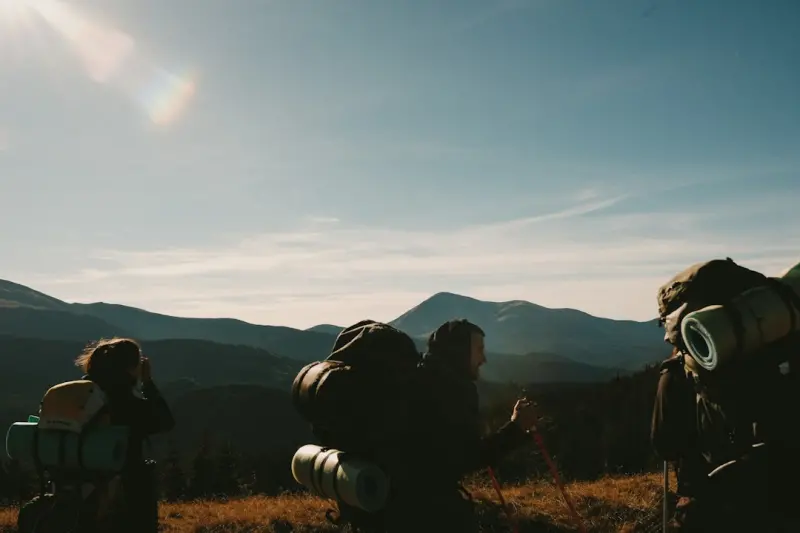
Beyond the Tourist Trail: Crafting Meaningful Journeys Through Unseen Cities
Discover a fresh approach to travel that priorit on cultural immersion, authentic connections, and e... Read More
Top Posts

Beyond the Itinerary: Crafting Immersive Sensory Journeys
Explore a fresh travel approach that engages all five senses—from soundscapes and scents to textures and flavors—turning ordinary trips into lasting, immers...Read More

Designing an Outdoor Living Room That Feels Like an Indoor Retreat
Discover how to turn any patio into a year‑round outdoor living room with modular furniture, smart lighting, seasonal décor, and eco‑friendly tips that kee...Read More
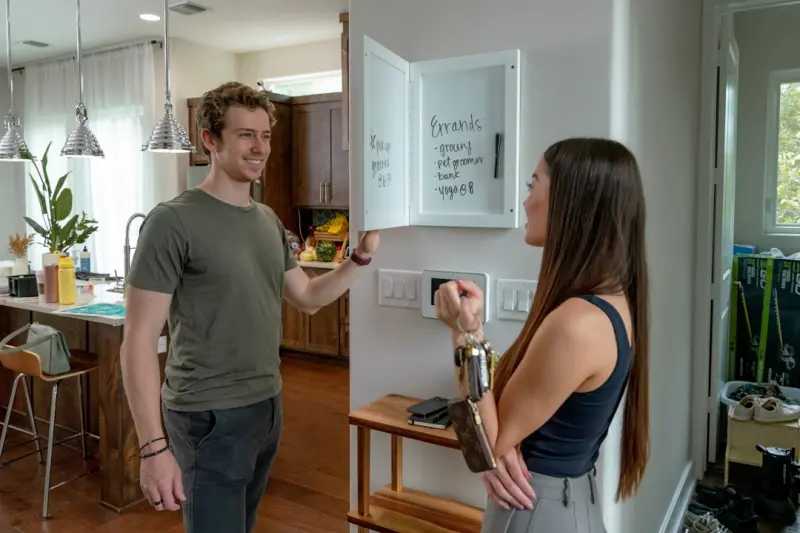
The Hidden Power of Everyday Home Tweaks: Boost Comfort, Save Money, and Reduce Stress
Learn how tiny, often overlooked adjustments—like optimizing entryways, passive cooling, acoustic fixes, and micro‑rituals—can transform your home into a ...Read More

Sleep Smarter: Night‑time Strategies for a Sharper Day
A practical guide to mastering sleep through light management, breathwork, consistent rituals, and a sleep‑optimized bedroom, helping you wake up refreshed an...Read More
0 Comments
Post Comment
You will need to Login or Register to comment on this post!