
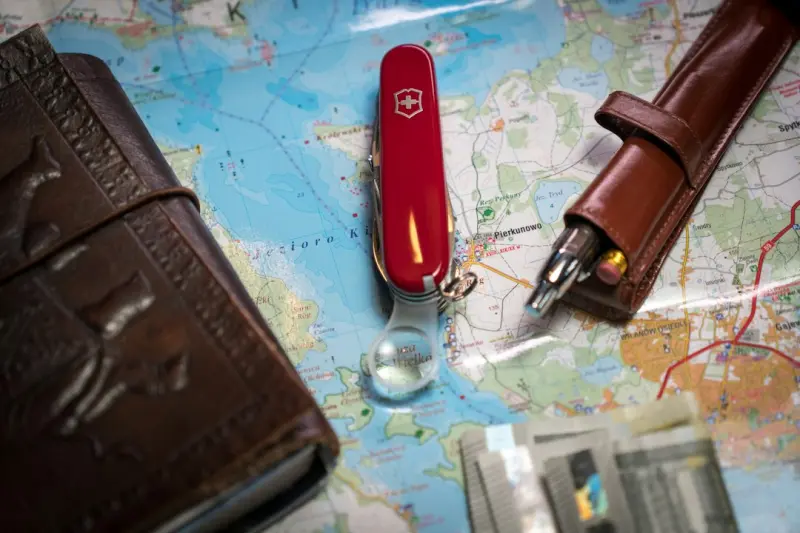
Travel has become a buzzword for everything from “digital nomad” lifestyles to “bucket‑list” adventures. Yet, for most of us, the word still conjures images of Instagram‑perfect sunsets, hurried airport lounges, and the endless chase for the next check‑in. What if we turned that narrative on its head? What if, instead of racing to capture the next photo, we slowed down to actually taste, hear, feel, see, and smell the world around us? In this piece, I’ll walk you through a sensory‑first approach to travel—a method that turns any trip into a series of vivid, memorable moments, all while staying grounded and calm.
Why Travel Should Be a Sensory Experience
Our brains are wired to remember experiences through the senses. A single scent can transport you back to a bustling market in Marrakech, while the feel of a cobblestone underfoot can anchor you to a historic lane in Lisbon. When we travel with a purpose to engage each sense, we move beyond the superficial “tourist” checklist and step into a deeper, more personal dialogue with place.
Most travel guides focus on “must‑see” landmarks, but they rarely ask: What does this city sound like at dawn? What textures will you encounter on a local bakery’s countertop? By shifting the focus to sensory cues, you allow the destination to reveal its personality in a way that no photo ever could.
Preparing Your Sensory Toolkit
Before you board a plane or hop on a train, spend a few minutes curating a simple toolkit that primes your senses for discovery. Here are the essentials:
- Smell: Pack a small, resealable pouch of dried herbs or a travel‑size essential oil roller. The scent of rosemary or citrus can be a quick reset when airport fatigue sets in.
- Sound: Load a short playlist of ambient sounds from the destination you’re headed to—birdsong from a rainforest, waves crashing on a Mediterranean shore. Let these tracks guide your imagination before you even arrive.
- Taste: Keep a mini notebook for jotting down flavor notes of street food, coffee, or the local cheese you sample. A quick sketch of the taste profile helps cement the memory.
- Touch: Bring along a lightweight, textured scarf or a pocket‑sized fabric swatch. The tactile sensation will become a grounding anchor when you feel overwhelmed by crowds.
- Sight: Instead of relying solely on your phone’s camera, carry a small sketchbook. Doodle the skyline, the patterns on a woven rug, the way light filters through a stained‑glass window.
This “sensory kit” doesn’t need to be heavy or complicated—it’s merely a reminder to stay present, to actively engage, and to let the environment speak to you in its own language.
Tiny Rituals for Calm on the Move
Travel can be chaotic, and a few simple, repeatable rituals can make the difference between feeling scattered and feeling centered. One practice I swear by is a three‑step pause whenever I transition from one place to another:
- Inhale the new air. Whether you step off a train or into a hotel lobby, take a deep breath, notice any scents—fresh rain, city exhaust, pine, or sea salt.
- Ground your body. Press the textured fabric from your pocket against your skin, feeling the weave and letting its familiarity remind you that you’re still you, no matter where you are.
- Anchor with intention. Whisper a short mantra—“I’m here to listen,” or “I welcome the unknown.” This tiny verbal cue can reset the nervous system and open you up to the next experience.
These micro‑rituals echo the philosophy of tiny rituals that reset your mind, proving that even the most fleeting habits can have a profound impact on our travel mindset.
Smart Scheduling for Spontaneity
One of the biggest misconceptions about “smart” travel planning is that it makes you rigid. In reality, a well‑structured schedule can free up mental bandwidth, allowing you to be more spontaneous. I use a lightweight digital calendar—one that blocks out only the essentials: arrival times, accommodation check‑in/out, and any pre‑booked tickets.
Everything else—meals, local tours, wandering through alleyways—is left open. By treating the schedule as a scaffold rather than a script, you keep the structure you need without stifling curiosity.
This approach aligns with the ideas presented in smart scheduling for a seamless home, where the goal is to automate the mundane so you can focus on what truly matters. Apply the same principle on the road: automate check‑ins, set reminders for transport, and let the rest of the day breathe.
Tech Touchpoints: When Touch Becomes Travel Companion
Modern travel gadgets are often marketed as “must‑haves,” but I prefer to see them as extensions of my senses. A sleek, haptic‑enabled travel pillow, for example, can simulate the gentle pulse of a heartbeat, easing anxiety during long flights. A smart luggage tag that vibrates when you’re nearing the baggage claim saves you from the frantic chase.
These devices echo the innovations discussed in the future of tactile personal care. The key is to choose tech that amplifies a sensory experience rather than distracts from it. A pocket translator that whispers pronunciations directly into your ear can transform a language barrier into an auditory adventure, turning a simple grocery trip into a cultural immersion.
Putting It All Together: A Sample Day of Sensory Travel
To illustrate how these elements converge, let’s walk through a day in the life of a sensory traveler exploring a coastal town in Southern Spain.
- Morning Arrival. After a short train ride, you step onto the platform. You inhale salty sea air mixed with the faint aroma of roasted coffee from a nearby stall. You pull out your essential‑oil roller, applying a dash of citrus to invigorate your senses.
- Breakfast Ritual. At a local café, you order “pan con tomate.” You close your eyes, let the tang of ripe tomato and the crunch of fresh bread dance on your tongue, then sketch the café’s tiled floor in your notebook, noting the intricate mosaic pattern.
- Mid‑Morning Wander. You set off down a narrow lane, listening to the distant strum of a guitar. You pause by a market stall, feeling the smoothness of ceramic pots, and engage the vendor in a brief conversation, noting the cadence of the local dialect.
- Midday Reset. Feeling the heat rise, you find a shaded plaza. You perform the three‑step pause: inhale, ground with the textured scarf, and whisper “I’m present.” You open your phone to a playlist of ambient waves, letting the sounds sync with the real breeze.
- Afternoon Exploration. With a smart‑scheduled reminder, you head to a historic lighthouse. The climb offers a tactile journey—gripping the cold iron railing, feeling the vibration of your heart as the sea stretches below. At the top, you take a moment to savor the view, letting the salty mist kiss your skin.
- Evening Reflection. Back at your guesthouse, you pull out your journal. You write down the day’s scents, textures, and sounds, attaching a small pressed orange peel as a fragrant souvenir. You end the night with a brief meditation, using the same mantra you whispered at the plaza.
This routine showcases how a sensory focus, paired with tiny grounding rituals and smart planning, transforms a typical travel day into a series of vivid, memorable episodes.
Travel as a Dialogue, Not a Checklist
When you travel with an ear tuned to the city’s hum, a nose ready for aromatic surprises, and a hand feeling the textures of everyday life, you start to converse with the place rather than simply observe it. The destination becomes a collaborator, guiding you through flavors you’ll never find on a menu, sounds you won’t capture on a recorder, and textures you’ll remember long after you’ve left.
Remember, the goal isn’t to check off every tourist attraction. It’s to cultivate a collection of sensory moments that, when woven together, tell a story uniquely yours. In that sense, every trip is a personal narrative—one written not in bullet points, but in the colors of a sunrise, the taste of a spice, the whisper of a language you’re just beginning to understand.
Take the First Step
If you’re ready to try this approach, start small. Choose a single sense to focus on for your next weekend getaway. Maybe it’s the sound of rain on a rooftop in Kyoto or the texture of woven baskets in a Moroccan souk. Let that sensory anchor guide the rest of your itinerary, and watch how the rest of the senses naturally fall into place.
Travel, after all, is not a race against time—it’s an invitation to feel, listen, taste, and touch the world in ways that linger far beyond the final photo album. So pack your curiosity, bring your sensory kit, and set off on a journey where every moment is as vivid as the last.

When it comes to the world of blogging and writing, Rose DesRochers is a name that stands out. Her passion for creating quality content and connecting with her audience has made her a trusted voice in the industry. Aside from her skills as a writer and blogger, Rose is also known for her compassionate nature.
Related Posts
Traveling Light, Living Rich: A Business Traveler’s Guide to Capsule Packing and Experiential Flow
A business traveler’s roadmap to lighter luggage, smarter networking, and immersive micro‑experi... Read More

Travel With Purpose: Turning Trips Into Positive Impact
Travel is evolving from sightseeing to purpose‑driven experiences. Learn how to design trips that ... Read More

Travel with Purpose: How Volunteering Abroad Enriches Communities and You
Explore the transformative power of purposeful travel. Learn how volunteering abroad enriches both t... Read More
Top Posts

The Power of Curiosity: A Fresh Path to Mental Well‑Being
Explore how cultivating curiosity rewires the brain for stress resilience, sparks creativity, and builds stronger social connections—offering a practical, sci...Read More
Turn Your Hallways into Power Zones: Simple Home Hacks for Energy and Focus
Learn to upgrade your hallway with layered lighting, smart storage, sound management, and micro‑rituals, turning this often‑ignored space into a powerful ca...Read More
Scent, Color, and Calm: Unconventional Tools for Everyday Health
Discover how simple sensory tweaks—like essential oils, smart lighting, and micro‑breathing—can enhance immunity, sharpen focus, and improve mood without ...Read More

Cold Water Immersion: Unlocking a Hidden Path to Peak Immunity
Cold water immersion may seem daunting, but its short, controlled exposure triggers a cascade of immune‑boosting and anti‑inflammatory responses. Learn how ...Read More
0 Comments
Post Comment
You will need to Login or Register to comment on this post!