
Why Trains Are the Unexpected Hero of Modern Travel
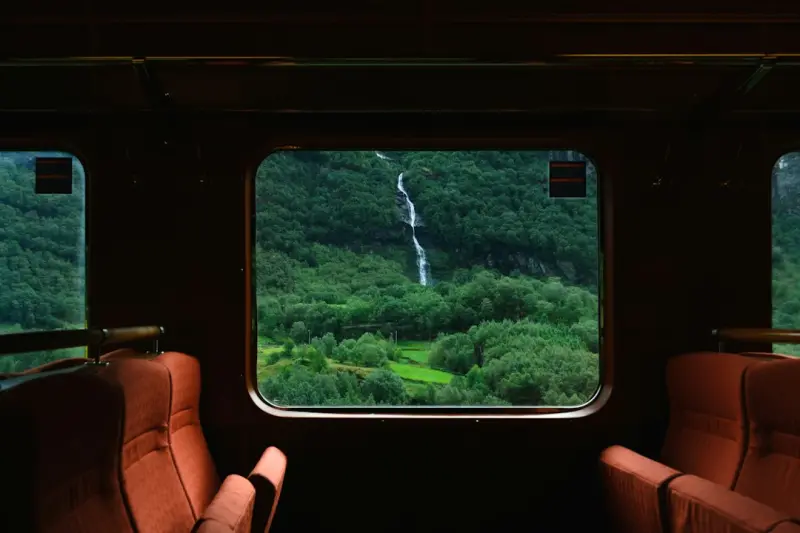
When I first boarded a sleeper train across the continent, I expected a cramped carriage and a restless night. Instead, I found a moving sanctuary—a place where the landscape drifts by like a living canvas, and the rhythm of the rails syncs with my own thoughts. It was a revelation that has reshaped my entire approach to travel.
For years, the travel conversation has been dominated by the speed of planes, the spontaneity of road trips, and the allure of exotic resorts. Yet a quiet revolution is humming beneath the clatter of steel wheels, and it’s redefining what it means to be a traveler in the 21st century. This isn’t about nostalgia for the golden age of rail; it’s about leveraging the unique strengths of trains to create richer, more sustainable, and deeply personal journeys.
The Quiet Power of the Slow‑Paced Journey
There is a subtle magic in allowing yourself to be moved, not by a jet engine, but by the gentle push of a locomotive. The pace of a train forces you to be present. You’re not sprinting from gate to gate; you’re settling into a rhythm that encourages observation, reflection, and conversation.
In a world that prizes productivity, trains give us a rare gift: time. You can read a chapter, sketch a view, or simply stare out the window without the pressure of a countdown timer. This slower cadence translates into a deeper connection with the places you pass through, turning a simple transit route into a narrative thread that weaves together cultures, histories, and personal insights.
Environmental Impact: The Green Credential That Matters
One of the most compelling reasons to choose rail over air is its carbon footprint. According to recent studies, a train emits roughly one‑tenth of the CO₂ per passenger kilometer compared to a short‑haul flight. For the environmentally conscious traveler, this is not a minor statistic—it’s a decisive factor.
Choosing a train isn’t just about reducing emissions; it’s also about supporting infrastructure that often benefits local economies. Stations become hubs of commerce, and the influx of passengers supports small businesses that would otherwise be bypassed by the high‑speed, point‑to‑point nature of air travel.
Designing the Perfect Train Adventure
Planning a rail journey can feel like assembling a puzzle—there are routes, classes, connections, and the occasional hidden gem. Below are the steps I follow to craft a trip that feels both intentional and serendipitous.
- Map the story, not just the destination. Start with the endpoint, then work backward to discover cities and towns that sit along the line. Each stop should add a chapter to your travel narrative.
- Choose the right carriage class. From budget seats to luxurious sleeper cabins, the choice sets the tone of your journey. If you’re after a social experience, opt for open‑plan coaches where strangers become conversation partners.
- Leverage technology wisely. Modern rail operators offer AI‑powered travel planning tools that can suggest optimal connections, seat upgrades, and even local experiences at each stop.
- Pack for flexibility. A compact bag with layers, a reusable water bottle, and a portable charger are train travel essentials. Remember, you’ll be moving through various climates, so adaptable clothing is key.
- Embrace the onboard culture. Many trains feature dining cars, observation decks, and even onboard libraries. Treat these as extensions of your itinerary—they’re curated experiences in their own right.
From Scenic Routes to Culinary Trails
One of my favorite aspects of train travel is the ability to combine scenic vistas with culinary discovery. Unlike flights that often skip over landscapes, trains hug coastlines, glide through valleys, and sometimes tunnel beneath mountains. Pair this visual feast with a stop at a regional market or a farm‑to‑table restaurant, and you have a multi‑sensory adventure.
Take, for instance, the famous Alpine rail corridors. As the train winds through towering peaks, you can disembark at a small Alpine village to sample cheese made from goats that grazed on the same slopes you just passed. The experience isn’t just about taste; it’s a story that ties geography, tradition, and flavor together.
Connecting With Locals in the Unlikely Spaces
Airports are often sterile and hurried. Train stations, by contrast, serve as community centers. In many European towns, the station square is a bustling market, a meeting spot for commuters, artists, and tourists alike. By choosing to arrive by rail, you slip into this rhythm, gaining access to spontaneous interactions that you’d miss when flying into an isolated terminal.
These encounters can be transformative. I once chatted with a retired carpenter in a small French station who invited me to his workshop, where I learned the art of hand‑carving wooden spoons—a skill that stayed with me long after the trip ended. Such moments illustrate how train travel fosters human connection in ways that high‑speed aviation often cannot.
Leveraging the Digital Toolbox: Turning Data Into Delight
While the romance of the rails is timeless, the modern traveler can enhance the experience with intelligent tools. A great example is using platforms that aggregate real‑time train schedules, seat availability, and even crowd density. These applications often incorporate AI‑driven travel diaries that automatically log routes, photos, and personal reflections, creating a living archive of your journey without the manual effort.
Imagine arriving at a historic station and receiving a notification about a pop‑up exhibition happening nearby, curated just for travelers passing through. This seamless blend of technology and serendipity turns the trip into a dynamic, personalized adventure.
Health Benefits Beyond the Green Credentials
Traveling by train also offers subtle health perks that are often overlooked. The gentle rocking motion can aid circulation, reducing the risk of deep‑vein thrombosis that is more common on long flights. The ability to move freely between carriages encourages stretching and short walks, which keeps the body limber.
Moreover, the reduced exposure to cabin pressure changes and dry air means you’re less likely to experience the usual post‑flight fatigue. When you combine this with the mental clarity that comes from uninterrupted viewing of landscapes, you emerge from a rail trip feeling both refreshed and inspired.
Creating a Sustainable Travel Mindset
Choosing trains isn’t just a personal preference; it’s a statement about the kind of world we want to shape. By supporting rail networks, we advocate for public transportation policies, encourage investment in greener infrastructure, and help shift cultural expectations around mobility.
Every ticket purchased is a vote for a future where travel isn’t measured solely by speed, but by its capacity to enrich lives, preserve the planet, and foster meaningful connections. It’s an ethos that aligns perfectly with the broader movement toward responsible, experience‑focused tourism.
Practical Tips for First‑Time Train Travelers
If you’re curious but hesitant, here are a few practical pieces of advice to ease your transition from plane to rail.
- Book Early, but Stay Flexible. Early bookings often secure the best rates, yet many rail operators offer flexible tickets that allow changes without hefty fees.
- Research Station Locations. Some major cities have multiple stations; knowing which one is closest to your accommodation can save you time and hassle.
- Bring Entertainment That Doesn’t Require Power. A good book, a journal, or a downloaded playlist can make the journey feel even more indulgent.
- Take Advantage of Onboard Wi‑Fi. While connectivity is generally reliable, it’s wise to have offline backups for maps or reading material.
- Respect Local Etiquette. In many cultures, quiet conversation and a calm demeanor are appreciated in shared spaces.
Future Trends: The Next Generation of Rail Travel
The rail industry is undergoing a renaissance. High‑speed maglev lines promise speeds rivaling short‑haul flights, while luxury sleeper cabins are being reimagined with boutique hotel‑level service. Some operators are experimenting with biophilic design, integrating natural elements like indoor gardens and panoramic glass walls that blur the line between carriage and countryside.
Additionally, the integration of renewable energy sources—solar panels on train roofs and regenerative braking systems—means that future trains could be virtually carbon‑neutral. As these innovations unfold, the appeal of train travel will only broaden, attracting a new generation of explorers who value both efficiency and experience.
Conclusion: Rewriting the Travel Narrative One Track at a Time
In my years of wandering, I’ve learned that the mode of transport shapes the story you tell yourself about a place. Air travel offers speed and spectacle, but it often strips away the layers that give a destination its depth. Train travel, by contrast, invites you to sit with the journey, to watch the world change outside your window, and to engage with the people and places that lie between the start and finish.
So the next time you plan a trip, consider the rails. Not just as a means to an end, but as an integral part of the adventure—one that nurtures sustainability, fosters human connection, and transforms transit into a treasured chapter of your travel narrative.

Margaret Thomson is a seasoned freelance writer specializing in the dynamic worlds of marketing and advertising. With a career deeply rooted in the marketing field, Margaret brings a wealth of practical experience and insightful knowledge to her writing.
Related Posts

Travel as a Personal Data Experiment: Turning Trips into Insightful Labs
By treating each journey as a living laboratory, the author shares a data‑centric approach to trav... Read More

Micro‑Immersions: Turning Tiny Breaks into Big Memories
Learn the micro‑immersion strategy that lets you extract rich, memorable travel experiences from s... Read More

Travel Light, Live Large: The Minimalist Packing Playbook
Discover a step‑by‑step minimalist packing strategy that frees you from heavy luggage, enhances ... Read More
Top Posts

The Four‑Day Workweek Playbook: How to Pitch, Implement, and Thrive
Learn how to pitch a four‑day workweek, build a solid business case, negotiate with leadership, and sustain productivity and wellbeing in a shorter week....Read More

AI as a Collaborative Colleague: Rethinking Trust and Prompting in the Enterprise
Treating AI as a collaborative colleague rather than a mere tool transforms decision‑making, creativity, and trust within organizations. This post outlines pr...Read More

How Everyday Posture Shapes Your Immune Health
Learn why the way you sit, stand, and move matters for your immune system, and get actionable steps to improve posture for lasting health benefits....Read More

Breathe Like a Pro: How Intentional Breathwork Supercharges Your Health
Learn practical breathwork methods that transform stress into calm, enhance sleep quality, and strengthen immunity, all through the power of intentional breathi...Read More
0 Comments
Post Comment
You will need to Login or Register to comment on this post!