
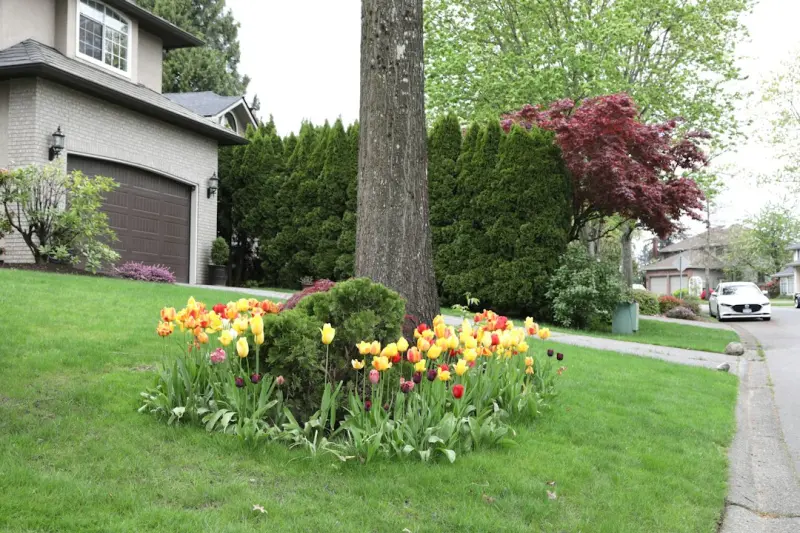
From Ornamental to Edible: Transforming Your Yard into a Living Harvest
When you step outside, do you see a patchwork of pretty flowers, a manicured lawn, and a few stray shrubs? What if that same visual appeal could also be feeding your family? Edible landscaping is the art of blending food‑producing plants with classic garden aesthetics, turning every corner of your property into a dual‑purpose masterpiece. It’s not a fringe trend reserved for urban homesteaders; it’s a practical, beautiful approach that aligns with sustainability, health, and the growing desire to bring more nature into our daily lives.
Why Edible Landscaping Is Gaining Momentum
There are three forces pushing this movement forward:
- Rising food costs – Growing your own produce reduces grocery bills and cushions you against market fluctuations.
- Environmental impact – Home‑grown vegetables require less transportation, packaging, and often less water when designed wisely.
- Design evolution – Modern homeowners want spaces that are both functional and photogenic. Edible gardens satisfy both cravings.
And let’s be honest: nothing feels more rewarding than plucking a ripe tomato from a plant that also serves as a striking backdrop for your patio dinner.
Planning Your Edible Landscape: The Basics
Before you start planting, treat the project like any design endeavor. Map out your yard’s sun patterns, soil composition, and traffic flow. Then ask three key questions:
- What does my space need visually? Think about height, color, and texture. Tall, leafy shrubs can act as natural screens, while low‑lying herbs add delicate accents.
- Which edible plants thrive here? Match species to micro‑climates. Sun‑loving peppers love a south‑facing wall, whereas shade‑tolerant kale can fill a cooler nook.
- How will I maintain it? Choose perennials that come back each year for low‑maintenance zones and annuals where you enjoy seasonal changes.
Sketching a simple plan on graph paper or using a free garden‑design app can clarify these decisions. Once you have a layout, you’ll see how garden design inspiration can be adapted to incorporate edible species without sacrificing visual harmony.
Choosing the Right Plants: Beauty Meets Bite
Here’s a quick guide to popular edible plants that double as ornamental stars:
- Fruit Trees & Dwarf Varieties – Apples, plums, and citrus can be trained as espalier against walls, creating a living sculpture.
- Berry Bushes – Raspberries, blueberries, and currants add layers of color and texture while offering abundant harvests.
- Herbs – Lavender, rosemary, and thyme not only smell amazing but also produce striking foliage.
- Vegetable Perennials – Asparagus, rhubarb, and artichoke stand tall year after year, becoming garden landmarks.
- Edible Flowers – Nasturtiums, calendula, and violas bring vibrant pops of color and are perfect for salads.
Mixing these with traditional ornamental plants—like ornamental grasses, ornamental grasses, and ornamental peonies—creates a seamless transition between “pretty” and “practical.”
Design Techniques That Keep Your Garden Looking Fresh
Even the most productive garden can feel static if you don’t plan for seasonal variation. Consider these strategies:
Layering for Depth
Place taller plants (fruit trees, trellised beans) at the back or center, medium‑height shrubs (blueberries, ornamental kale) in the middle, and low‑lying herbs or groundcovers (thyme, creeping rosemary) at the front. This creates a tiered effect that mimics a natural forest understory.
Color Cohesion
Group plants with complementary hues. For example, pair deep‑purple eggplant leaves with the bright orange of marigolds, or match the silvery foliage of sage with the chartreuse of young lettuce leaves.
Texture Play
Combine smooth, glossy leaves (like basil) with feathery textures (such as dill). The contrast adds visual interest even when the garden isn’t fruiting.
Structural Elements
Integrate arches, trellises, and raised beds made of reclaimed wood or stone. These not only support climbing vines but also serve as architectural focal points.
Year‑Round Appeal
Plant winter‑hardy varieties like kale, winter rosemary, or ornamental cabbage for color in the colder months. When spring arrives, the same space will burst with fresh greens and blossoms.
Soil, Water, and the Subtle Science of a Healthy Edible Garden
While you might be tempted to skip the science, a thriving edible landscape hinges on a few core principles:
- Soil Health – Incorporate compost, leaf mold, and well‑rotted manure to improve structure and nutrient content. Test pH levels; most edibles prefer a slightly acidic to neutral range (6.0–7.0).
- Mulching – Organic mulches (straw, wood chips) retain moisture, suppress weeds, and slowly release nutrients.
- Water Management – Install drip irrigation or soaker hoses to deliver water directly to root zones, reducing evaporation.
- Beneficial Insects – Encourage pollinators and predatory insects by planting nectar‑rich flowers and providing habitats like small log piles.
For those who love tech‑assisted gardening, explore smart irrigation controllers that adjust watering schedules based on weather data—this keeps the garden efficient without turning you into a full‑time caretaker.
Integrating Edible Landscaping With Indoor Spaces
Not every home has a sprawling yard, but you can still enjoy edible design indoors. Think of seasonal window garden ideas that combine herbs, dwarf fruit trees, and decorative vegetables. A sunny windowsill can host a compact “kitchen garden” that supplies fresh basil for pasta and cherry tomatoes for salads, all while adding a splash of green to your living room.
Maintenance Tips for a Low‑Stress Edible Garden
One of the biggest misconceptions is that an edible garden demands daily labor. With smart planning, you can keep upkeep manageable:
- Group Plants With Similar Needs – Plant herbs that love dry soil together, and keep moisture‑loving veggies in a separate, well‑irrigated zone.
- Prune Strategically – Regular pruning of fruit trees and vines promotes air flow, reduces disease risk, and encourages fruit production.
- Harvest Frequently – Picking ripe produce stimulates new growth and prevents over‑ripe fruit from attracting pests.
- Rotate Crops – Every few years, shift annual vegetables to new beds to prevent soil depletion and break pest cycles.
Case Study: A Suburban Home’s Edible Revamp
Consider the Miller family, who turned a bland 1,200‑square‑foot yard into a vibrant edible oasis. Their process:
- Mapped sun exposure and identified a sunny south‑facing wall.
- Installed a trellis and trained a dwarf apple tree as a living fence.
- Planted berry bushes along the perimeter for privacy and color.
- Used raised beds filled with compost‑rich soil for lettuce, radishes, and herbs.
- Added ornamental grasses and flowering perennials to soften the overall look.
Within a single growing season, the Millers harvested over 200 pounds of produce, reduced their grocery bill by 30%, and reported a noticeable boost in family morale. Their garden became the backdrop for weekend barbecues, children’s play, and quiet evenings on a patio swing.
Beyond the Garden: Community and Shared Harvest
Edible landscaping isn’t just a private benefit; it can foster neighborhood connections. Consider hosting a “produce swap” with nearby gardeners, or donating surplus fruits to a local food bank. The act of sharing home‑grown bounty builds social ties and reinforces the idea that a beautiful garden can serve a greater purpose.
Final Thoughts: Planting Beauty, Harvesting Life
Edible landscaping offers a compelling answer to the modern homeowner’s desire for aesthetics, sustainability, and self‑reliance. By thoughtfully selecting plants, employing design techniques that respect both form and function, and nurturing the soil with care, you can create a garden that looks as good as it tastes. The next time you step outside, imagine the possibilities: a garden that greets you with color, fragrance, and the promise of fresh food—right at your doorstep.

Ryan Stuart is a seasoned freelance features writer, editor, and professional photographer with a passion for exploring the world and capturing its beauty through words and images.
Related Posts
Garden Desks: How My Outdoor Workspace Became the Hottest Home & Garden Trend of 2024
Jimmy Damon shares his personal journey building a garden desk, revealing how this outdoor workspace... Read More
Garden Desk Revolution: How My Outdoor Workspace Became 2024’s Hottest Home & Garden Trend
Jimmy Damon shares his journey turning a backyard into a thriving office, revealing design secrets, ... Read More

How to Craft a Welcome‑Mat Worthy Entryway That Sets the Day Right
A well‑designed entryway can lower stress, improve flow, and set a positive tone for the day. Disc... Read More
Top Posts
Rewilding Your Backyard: A Practical Guide to Creating a Miniature Ecosystem
Discover a step‑by‑step approach to rewilding your yard, from soil testing and native plant selection to rain gardens and structural habitats, creating a lo...Read More

The Healing Power of Laughter: Turning Everyday Humor into Health Benefits
Explore the science behind why laughter boosts immunity, reduces stress, and protects heart health, and learn actionable ways to make humor a daily health habit...Read More

Decoding Employment Contracts: Your Guide to Protecting Career Freedom
A practical guide to navigating employment contracts, highlighting key clauses, negotiation strategies, and tools to secure your career freedom and financial st...Read More

When AI Becomes Your Creative Playmate: Turning Algorithms into Idea Catalysts
Learn why shifting AI from a cold tool to a creative playmate unlocks fresh ideas, accelerates innovation, and brings a playful edge to business problem‑solvi...Read More
0 Comments
Post Comment
You will need to Login or Register to comment on this post!