
Travel has become more than a checklist of sights; it’s a secret catalyst for fresh ideas, deeper focus, and a richer sense of self. I’ve spent the last decade hopping between bustling metros, quiet mountain towns, and coastal hamlets, and each journey has taught me a subtle, yet powerful lesson: when you give yourself the space to move at a human pace, you unlock a well of creativity that office walls can never replicate.
Travel as a Brain Reset Button
Our brains are wired for novelty. When we encounter unfamiliar sounds, smells, and textures, the prefrontal cortex—responsible for planning and problem‑solving—gets a gentle jolt. That jolt isn’t a chaotic overload; it’s a measured stimulation that clears mental cobwebs and invites new connections. Think of it as a mental spring cleaning, where the clutter of daily tasks is swept away, leaving room for insight.
One practical way to harness this effect is to pair your journeys with intentional auditory environments. I’ve started listening to curated sound collections that echo the places I’m visiting, from distant surf crashes to soft market chatter. The result? A heightened sense of presence that lets the brain settle into a flow state faster. If you want a deeper dive into how sound can sharpen focus, check out soundscape strategies for creativity.
The Power of “Travel‑Lite” Packing
Carrying less isn’t just about convenience; it’s a philosophical shift. By stripping down to essentials, you force yourself to prioritize experiences over possessions. This minimalist approach encourages a mindset of “what truly matters,” which translates into clearer decision‑making when you return to work.
Instead of cramming a suitcase with gadgets, I focus on versatile items: a well‑crafted notebook, a reliable pen, and a pair of comfortable shoes. The notebook becomes a portable think‑tank, a place to capture fleeting thoughts sparked by a street performer’s melody or a sunrise over a distant ridge. Over time, those scribbles turn into actionable ideas that can reshape projects back at the office.
Micro‑Cultural Immersions: Beyond Tourist Hotspots
Most travelers chase iconic landmarks, but the real gems lie in the everyday rituals of locals. Spend a morning learning how a small town brews its coffee, or join a community garden’s harvest. These micro‑cultural moments teach you to observe patterns, ask the right questions, and appreciate diverse problem‑solving methods.
For example, during a recent trip to a coastal fishing village, I watched fishermen use a simple knot‑tying technique that maximized their net’s durability. That same principle—optimizing with elegant simplicity—later inspired a redesign of a data‑pipeline workflow at my company. The lesson? Small, authentic interactions can seed big innovations.
Mindful Movement: Walking as Discovery
Walking is the most underrated travel tool. When you move on foot, you engage all senses, and the steady rhythm of steps can trigger a meditative state that frees the mind for creative thinking. I schedule at least one hour each day of unplanned wandering, allowing my curiosity to dictate the route.
During these strolls, I practice “sensory tagging”: I pause, note a distinct smell, a texture, or a sound, and mentally link it to a current challenge at work. Later, back in the office, those tags become metaphors that help reframe problems—like comparing a tangled traffic jam to a bottleneck in a software deployment.
Digital Boundaries: The Real Travel Companion
While many advocate for constant connectivity, I’ve found that purposeful digital restraint amplifies the benefits of travel. Turning off notifications and limiting screen time forces you to engage with the environment directly, sharpening observation skills.
If you’re curious about how to blend tech with wellbeing on the road, explore personal care insights for travelers. The article outlines simple data‑driven habits—like tracking sleep quality and hydration—that keep you energized without the noise of endless alerts.
Building a Portable “Idea Lab”
Every traveler should treat their bag as a mobile laboratory for ideation. Pack a lightweight sketchbook, colored pens, and a portable voice recorder. Use these tools to capture sketches of architectural details, map out potential process flows, or record spontaneous conversations with locals.
When you return home, these raw materials become the scaffolding for deeper exploration. For instance, a quick sketch of a market stall’s layout might inspire a new UI design, while a recorded interview about a local craft could inform a storytelling campaign. The key is to honor every artifact as a seed, not a finished product.
Travel‑Inspired Routine Tweaks
After each trip, I introduce one small habit I learned abroad into my daily routine. It could be a morning tea ritual from Japan, a midday walk inspired by Mediterranean towns, or a bedtime reflection practice borrowed from Nordic cultures. These micro‑adjustments keep the travel mindset alive, ensuring the creative spark remains lit long after the suitcase is unpacked.
Conclusion: Make Travel a Strategic Asset
Travel isn’t a luxury; it’s a strategic lever for personal and professional growth. By embracing slower movement, minimal packing, authentic cultural immersion, mindful walking, digital boundaries, and a portable idea lab, you turn each journey into a catalyst for innovation. The next time you plan a trip, think beyond sightseeing—design it as a deliberate experiment in creativity, and watch how the lessons you gather reshape the way you work, lead, and live.

Paul Flynn is a versatile freelance writer equipped with a diverse skillset and a portfolio that reflects his wide-ranging interests and expertise. From crafting compelling website copy and engaging blog posts to delivering in-depth articles and meticulously researched reports, Flynn demonstrates a remarkable ability to adapt his writing style to suit various audiences and purposes.
Related Posts

Paper‑Only Travel: Rediscovering Analog Adventures
Explore how traveling with paper maps, a handwritten journal, and a film camera can deepen connectio... Read More
Chasing the Unscripted: How Unplanned Detours Redefine Modern Travel
Exploring the hidden benefits of spontaneous travel, this article shows how unplanned detours boost ... Read More
Designing a Career‑Boosting Volunteer Sabbatical
A purpose‑driven sabbatical blends volunteer work, skill building, and cultural immersion into a c... Read More
Top Posts
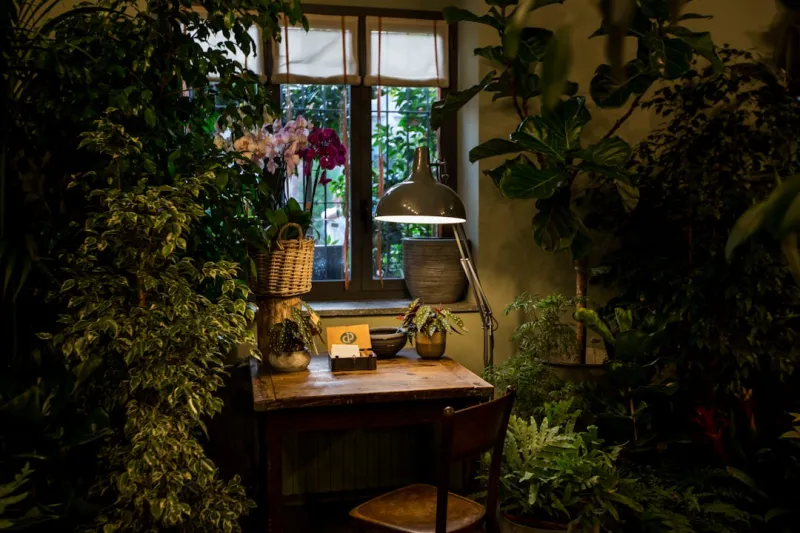
How a Garden Desk Became My Home’s Creative Hub
A garden desk can turn any backyard into a thriving workspace, blending nature with productivity for a healthier, more creative home life....Read More
Why Garden Desks Are the Secret to a Thriving Home & Garden Life
A garden desk can reshape your daily routine, blending nature, work, and wellness into a harmonious sanctuary that fuels creativity and career growth....Read More
AI‑Powered Curiosity Engines: Turning Questions Into Competitive Edge
Explore how AI-driven curiosity engines embed generative prompts into everyday workflows, turning every question into a strategic advantage and fueling continuo...Read More

The Skills Marketplace Revolution: Redefining Employment for Knowledge Workers
A deep dive into the emerging skills marketplace, revealing how AI-driven matching, structured think time, and value‑based pricing are transforming freelance ...Read More
0 Comments
Post Comment
You will need to Login or Register to comment on this post!