
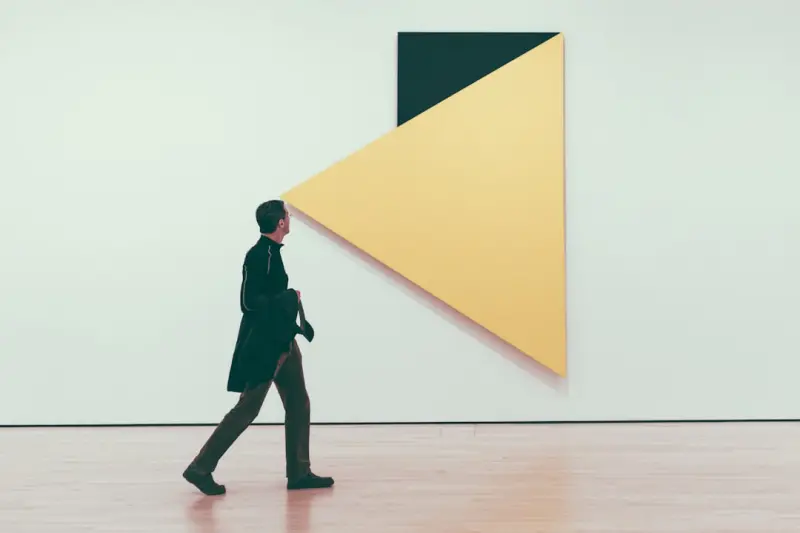
Ever notice how the most memorable ideas strike while you’re stuck in an airport lounge, on a rattling train, or watching clouds drift past a bus window? For many of us, the very moments that feel like wasted transit time are actually untapped reservoirs of creative energy. The trick isn’t to fight the rhythm of travel; it’s to redesign the experience so that movement becomes a catalyst rather than a constraint.
Reframe the Journey as a Workspace
First, shift your mental model. Instead of seeing a flight as a “dead zone” for productivity, view it as a mobile studio. This reframing does two things: it reduces the anxiety of feeling unproductive, and it opens up a mental cue that signals your brain to enter a focused state.
To reinforce this, set a simple ritual that marks the start of “work mode” the moment you buckle your seatbelt. It could be as straightforward as pulling out a lightweight notebook, turning on a specific playlist, or opening a dedicated travel‑productivity app. The consistency of this cue trains your brain to associate the physical act of traveling with a mental state of flow.
Curate a Portable “Productivity Kit”
Travel imposes strict limits on what you can carry, so your toolkit must be lean yet versatile. Here’s a minimalist lineup that fits into a standard backpack pocket:
- Noise‑cancelling earbuds – not just for music, but for blocking the ambient chatter that derails concentration.
- Compact Bluetooth keyboard – a tactile surface beats a phone’s on‑screen keyboard for long‑form writing.
- Foldable stand – transforms a tablet into a laptop‑like workstation without adding bulk.
- Multi‑device charger – keeps your gadgets alive, because a dead battery is the fastest way to lose momentum.
- Analog sketchpad – surprisingly effective for brainstorming when your eyes need a break from screens.
When you consistently travel with these items, you eliminate the decision fatigue of “what do I need to be productive now?” and free up mental bandwidth for the work itself.
Leverage “Micro‑Focus” Sessions
Long, uninterrupted blocks of time are rare on the road, but that doesn’t mean you can’t achieve depth. Adopt a series of short, intentional focus bursts—think 12‑minute intervals—followed by a brief reset. This rhythm mirrors the natural ebb and flow of travel schedules and keeps the brain from slipping into a low‑energy plateau.
During a 12‑minute sprint, set a single, specific goal: drafting an outline, answering a batch of emails, or sketching a quick concept map. When the timer ends, give yourself a 2‑minute stretch, sip water, or glance out the window. The change of scenery, even for a few seconds, reboots attention and prevents mental fatigue.
If you’re looking for a proven method to embed these bite‑size sessions into your routine, the Micro‑Movement Mastery article dives into the science behind short, frequent actions and how they compound into big results.
Turn Ambient Environments into Sensory Triggers
Every travel environment comes with its own soundscape, lighting, and scent profile. Rather than fighting these variables, use them as cues to switch mental gears. For example:
- Airport announcements can signal a transition from “reading mode” to “idea‑generation mode.” When you hear the boarding call, close the article you’re reading and open a fresh document to capture any lingering thoughts.
- Sunrise from a train window can serve as a natural cue to start a reflective journaling session. The gradual increase in light triggers the brain’s alertness centers, making it an ideal time to outline the day’s priorities.
- Hum of a cafe can become a background rhythm for brainstorming. If you find the chatter distracting, pair it with a subtle ambient playlist to create a consistent auditory backdrop.
These sensory anchors train your brain to associate specific external stimuli with particular cognitive tasks, making it easier to slip into the right mindset without a mental tug‑of‑war.
Utilize AI‑Assisted “Travel Buffers”
Modern AI tools are no longer just for data analysis; they’re becoming personal assistants that smooth out the rough edges of travel. Set up automated email filters that prioritize urgent messages, schedule smart reminders that adapt to time‑zone changes, and use voice‑activated note‑taking to capture ideas the moment they surface.
One standout approach is to feed your itinerary into a generative AI that suggests optimal windows for focused work based on flight times, layovers, and even predicted Wi‑Fi quality. The AI can then push a short “focus block” notification to your phone, complete with a curated playlist and a one‑sentence prompt to kick‑start the session.
If you want to explore how AI can streamline everyday routines, check out Smart Personal Care for a deeper look at AI‑driven habit formation.
Integrate Light‑Optimized Workspaces
Lighting is a silent productivity partner. Natural light boosts alertness, while harsh artificial light can lead to eye strain and fatigue. When you’re stuck in a windowless cabin, bring a compact, battery‑powered LED panel that mimics daylight. Position it at a 45‑degree angle to reduce glare and maintain a circadian rhythm that supports focus.
If you have a window seat, take advantage of the view. Position your laptop so the light falls behind the screen, reducing reflections and creating a balanced illumination that keeps you energized without the need for additional gadgets.
Design a “Reset Ritual” for Travel Transitions
Travel is a series of transitions: from home to airport, from plane to hotel, from conference to leisure. Each handoff can scatter mental energy. Build a brief reset ritual for each stage:
- Arrival at the airport: Write down three “must‑finish” items for the day and one “mind‑off” item to defer.
- Landing: Do a 30‑second breathing exercise to recalibrate your nervous system before diving back into work.
- Checking into accommodation: Scan the room for natural light sources and arrange your workstation accordingly.
These micro‑rituals create a sense of continuity, allowing you to preserve momentum despite the physical movement.
Embrace “Travel‑First” Ideation
The novelty of a new location fuels divergent thinking. When you step off a train into a bustling market or walk through a historic district, your brain receives a flood of new visual and auditory inputs. Capture this spark by keeping a digital “idea capture” app open at all times. A quick voice memo or photo can later be expanded into a full concept.
Make it a habit to spend the first 10 minutes after arrival at any new place walking with a notebook or app in hand. The act of moving through the environment while actively seeking inspiration turns wandering into a purposeful ideation session.
Balance Rest and Output
No productivity system works if you’re running on fumes. Prioritize sleep hygiene even on the road: use a travel pillow, block out ambient light with an eye mask, and limit blue‑light exposure an hour before bedtime. If you find it hard to unwind, a short meditation or a simple gratitude list can signal to your brain that it’s time to shift into recovery mode.
Remember, the goal isn’t to squeeze every possible minute into work; it’s to make the inevitable downtime count while still honoring the body’s need for restoration.
Future‑Proof Your Nomadic Workflow
As travel becomes more fluid and remote work continues to rise, the skill of turning transit into a creative engine will become a competitive differentiator. Companies are already scouting for “mobile‑first” talent—people who can deliver high‑impact results from any corner of the globe.
By adopting the practices outlined above, you’ll not only stay productive on the move but also develop a resilient, adaptable mindset that thrives amid constant change. The next time you find yourself staring at a runway lights, you’ll see an invitation to innovate, not an obstacle.

Ryan Stuart is a seasoned freelance features writer, editor, and professional photographer with a passion for exploring the world and capturing its beauty through words and images.
Related Posts
Beyond the Guidebook: Crafting Personal Narratives on the Road
Learn to transform every trip into a personal narrative by embracing minimalist packing, mindful mic... Read More
Zero‑Waste Adventures: Travel Light on Plastic and Carbon
Embark on a zero‑waste journey with actionable packing hacks, eco‑friendly transport choices, an... Read More
How Roaming the World Can Supercharge Your Network
Travel isn’t just a break—it’s a strategic career move. Learn how to turn each trip into a net... Read More
Top Posts

Reinventing Personal Care: A Sensory‑First Ritual
Explore a fresh, sensory‑focused approach to personal care that blends temperature, sound, scent, and texture for deeper emotional wellbeing....Read More

Ethical AI in B2B SaaS: A Playbook for Trust‑First Growth
A practical guide for SaaS leaders on building ethical AI systems—covering transparent intent, bias audits, explainability, and governance—to turn trust int...Read More

Evening Garden Retreat: Light, Water, and Comfort After Dusk
Discover how to transform your backyard into a soothing evening retreat using layered lighting, gentle water features, comfortable seating, and smart organizati...Read More

Turning Your Job into a Launchpad for Continuous Growth
Learn to turn everyday work into a growth engine with skill portfolios, internal networking, and savvy negotiation tactics that boost your career trajectory....Read More
0 Comments
Post Comment
You will need to Login or Register to comment on this post!