
What Reverse Mentorship Really Means
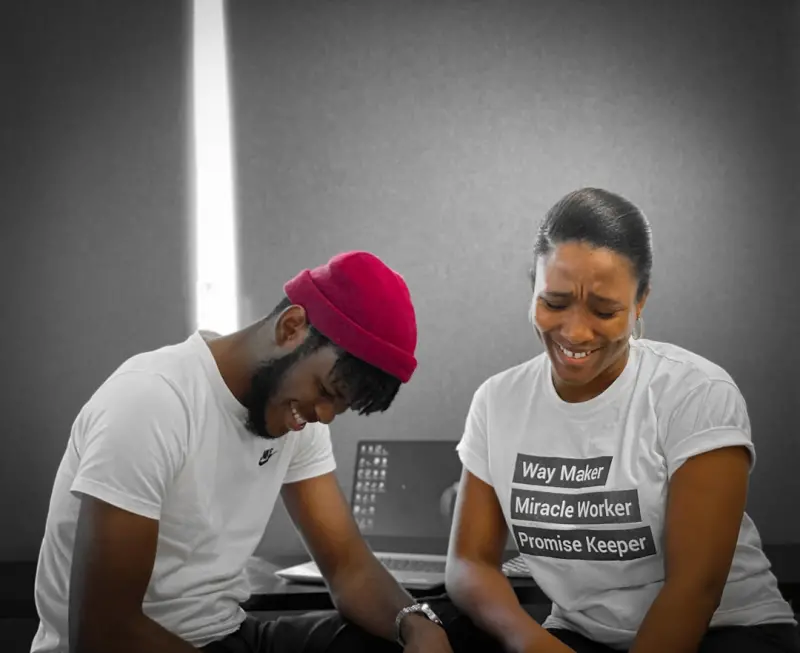
In a world where titles often dictate who gets heard, reverse mentorship flips the script by pairing junior employees with senior leaders, creating a two‑way street of learning and influence. This unconventional partnership thrives on curiosity, where fresh‑faced talent shares emerging trends, digital fluency, and cultural pulse, while seasoned executives offer strategic context and industry hindsight. The result is a dynamic feedback loop that not only surfaces blind spots but also accelerates personal growth for both parties, turning the traditional hierarchy into a collaborative incubator for innovation.
Beyond the novelty factor, reverse mentorship addresses a silent crisis: the erosion of relevance among senior staff as technology and workplace norms evolve at breakneck speed. By inviting younger voices into boardrooms and strategy sessions, organizations inject real‑time insight into decision‑making, ensuring that policies stay grounded in the lived realities of today’s workforce. This approach also signals to all employees that the company values diverse perspectives, fostering a culture where ideas rise on merit rather than tenure.
How to Initiate a Reverse Mentorship Relationship
Starting a reverse mentorship program requires intentional design rather than hoping chemistry will happen organically; leaders should first map out clear objectives, whether it’s upskilling on emerging software, understanding Gen Z motivations, or gaining a fresh lens on customer behavior. Once goals are defined, identify junior talent who not only excel in those areas but also demonstrate strong communication skills, because the success of the exchange hinges on the ability to articulate insights clearly and respectfully. Pairings can then be formalized with a simple agreement outlining meeting frequency, confidentiality expectations, and measurable outcomes.
To keep the momentum alive, embed the mentorship into existing workflows rather than treating it as an add‑on. For example, schedule monthly “insight sessions” where the junior mentor presents a short briefing on a topic like AI‑driven analytics, followed by a Q&A that allows the senior mentee to probe deeper and relate the information to broader business strategy. Over time, these sessions become a trusted forum for cross‑generational dialogue, and the junior participant gains visibility that can translate into accelerated promotions or lateral moves.
The Ripple Effect on Organizational Culture
When reverse mentorship takes root, the cultural impact spreads far beyond the individual pairing, reshaping norms around knowledge sharing and humility. Employees begin to view expertise as fluid rather than static, which encourages a growth mindset across departments and reduces the fear of speaking up. This cultural shift also dovetails with broader learning initiatives, such as employee‑led learning communities, creating a cohesive ecosystem where informal teaching and formal training reinforce each other.
Moreover, organizations that champion reverse mentorship often see tangible improvements in retention, as younger staff feel their contributions are valued and senior staff experience renewed relevance. The increased sense of belonging reduces turnover costs and cultivates a pipeline of future leaders who are already accustomed to collaborative, cross‑level communication. In turn, the company builds a reputation as an employer of choice, attracting top talent who seek environments that empower every voice.
Practical Tips to Turn Insight into Career Momentum
For junior participants, the mentorship is a springboard: treat every session as a showcase of your expertise, documenting key takeaways and linking them to personal development goals. Leverage the exposure to request high‑visibility projects or micro‑internships that align with the insights you’ve shared, turning mentorship dialogue into concrete accomplishments on your résumé. Simultaneously, ask for feedback on soft skills—such as stakeholder management—to round out your professional toolkit.
Senior mentors, on the other hand, should reciprocate by championing their junior counterpart in performance reviews and cross‑departmental introductions, effectively converting the mentorship into a sponsorship. By publicly acknowledging the junior’s contributions, leaders not only reinforce the program’s credibility but also create a virtuous cycle where the mentee feels motivated to keep delivering value. Ultimately, the synergy forged through reverse mentorship can accelerate career trajectories for both parties while propelling the organization toward a more innovative, inclusive future.

Jimmy Damon loves to right on a large scale of topics with all things Canadian as this Montreal die hard loves hockey. fishing and sports.
Related Posts

How an Internal Personal Brand Can Future‑Proof Your Career
Learn why cultivating an internal personal brand is the modern shortcut to career growth, and get a ... Read More

The Innovation Sabbatical: Turning Career Breaks into Competitive Edge
A deep dive into why intentional career breaks are becoming a vital tool for both employees and empl... Read More

Turn Your Passion Projects into Real Career Wins
Learn how to align your side hustle with workplace goals, pitch it strategically, and turn personal ... Read More
Top Posts

AI as the Negotiation Partner: Transforming B2B Deal‑Making with Data‑Driven Insight
A fresh look at AI’s role in B2B negotiations, showing how data‑driven assistants can amplify human skill, improve outcomes, and reshape the future of dealâ...Read More

From Balcony to Bounty: Turning Tiny Outdoor Spaces into Year‑Round Food Oases
Discover step‑by‑step strategies to turn a modest balcony into a productive food oasis, from assessing light and choosing containers to integrating smart se...Read More

Redefining Digital Boundaries: A Fresh Path to Mental Wellness
Discover how setting mindful digital boundaries can transform stress into calm, boost focus, and nurture mental health in everyday life....Read More
How to Turn Every Trip into a Two‑Week Skill‑Swap Sprint
Explore the concept of a skill‑swap sprint, where each journey is designed around learning a local craft or trade, fostering deep connections, personal growth...Read More
0 Comments
Post Comment
You will need to Login or Register to comment on this post!