
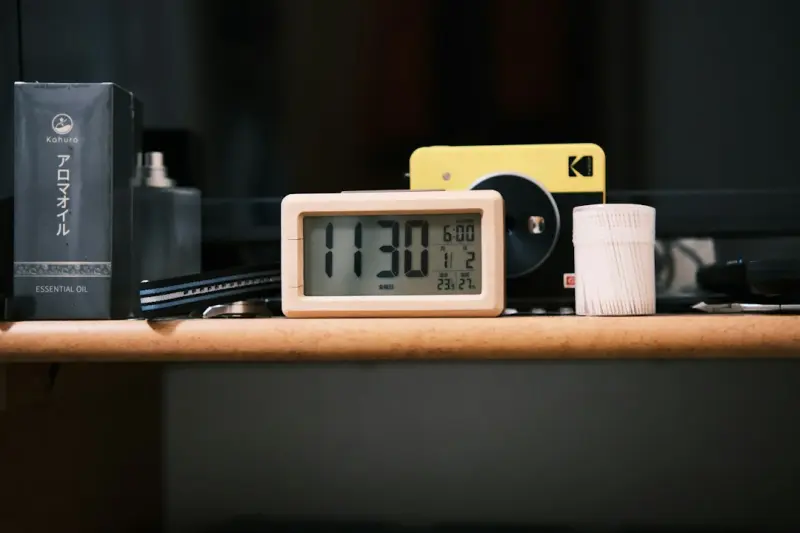
Why Your Skin’s Best Friend Is Your Body Clock
When I first tried to “hack” my morning routine, I bought the latest serum, set a timer for a 5‑minute facial, and bragged about my newfound efficiency. The result? A slightly shinier forehead and a lingering sense that something was off. It wasn’t the products; it was the timing. My skin was asking for a different rhythm, and I was ignoring the most basic cue the body gives us: its own circadian cycle.
The Science of Skin Timing
Every cell in our body runs on a 24‑hour internal schedule known as the circadian rhythm. From hormone release to temperature regulation, this clock orchestrates a symphony of processes that keep us thriving. Dermatologists have long known that skin cell turnover peaks at night, while oil production ramps up in the early morning. When we align our personal care rituals with these natural peaks, we give our skin a head start rather than a fight.
Research shows that barrier repair – the skin’s ability to lock in moisture and keep irritants out – is most efficient between 2 a.m. and 4 a.m. This isn’t a call to set an alarm for midnight facials, but a reminder that the later part of our evening routine matters more than the quick splash of water we often call “washing up.”
Mapping Your Personal Care Clock
Before you overhaul your cabinet of products, take a simple inventory of three daily moments:
- Wake‑up window (6 a.m.–9 a.m.): Light exposure, hydration, and a brief cleanse set the tone for the day.
- Mid‑day dip (12 p.m.–2 p.m.): Re‑energize skin that’s been exposed to UV, office air, and coffee.
- Wind‑down window (7 p.m.–10 p.m.): Focus on repair, deep moisturization, and low‑light ambiance.
By anchoring each step to a specific time slot, you convert “random habits” into a predictable, high‑impact routine.
Step‑by‑Step: A Rhythm‑Based Routine
1. Sunrise Reset (6 a.m.–9 a.m.)
Start with a glass of water – your skin’s biggest ally. Follow with a gentle, pH‑balanced cleanser that removes overnight sweat without stripping natural oils. Pro tip: Choose a formula that contains niacinamide for a quick barrier boost and a hint of antioxidant protection.
After cleansing, apply a lightweight, vitamin‑C serum. The brightening power of vitamin C works best when the skin is fresh and the barrier is open, helping to neutralize any free radicals you encountered on the way to work.
2. Midday Recharge (12 p.m.–2 p.m.)
If your office is a climate‑controlled desert, a misting spray can be a lifesaver. Look for sprays that include hyaluronic acid or glycerin – they pull water into the skin without the heaviness of a cream.
For those who eat lunch at a desk, consider a mini‑massage of the jawline and temples with a fingertip roller. This tiny gesture stimulates circulation, reduces tension, and subtly reminds your nervous system to stay relaxed.
3. Evening Repair (7 p.m.–10 p.m.)
Turn down the lights to a warm, amber hue. Blue light from screens can interfere with melatonin production, which indirectly affects skin repair. A simple amber lamp or a pair of blue‑light‑blocking glasses can make a noticeable difference.
Double‑cleanse: First, a gentle oil‑based cleanser to dissolve sunscreen and makeup, then a water‑based cleanser to sweep away residue. This two‑step approach respects the skin’s natural oil balance while ensuring a clean canvas for nighttime actives.
Next, layer a peptide‑rich serum. Peptides signal your skin to produce collagen, a process that peaks during deep sleep. Finish with a richer moisturizer containing ceramides – these lipids lock in the serum’s benefits and reinforce the barrier while you snooze.
Integrating Tech Without Losing the Human Touch
Some readers might recall the recent post about wearable skin analysis. While gadgets can provide useful data, the most powerful insights still come from listening to your own body. Set a reminder on your phone, not because you need a beep, but because you’re training yourself to notice subtle cues: that slight tightness after a long meeting, a faint redness after a workout, or a dry patch that appears just before bedtime.
Combine this awareness with a habit‑tracking app. Log the time you performed each step, how your skin felt afterward, and any external factors (like a stressful call or a change in diet). Over a few weeks, patterns emerge, and you can fine‑tune the timing of each product.
Seasonal Adjustments: When the Clock Meets the Calendar
Winter brings lower humidity, so shift the wind‑down window to incorporate a richer, occlusive night cream. Summer’s higher UV exposure means you might want to add a lightweight, broad‑spectrum sunscreen to the sunrise reset, even if you’re staying indoors – windows let in a surprising amount of UV‑A.
These seasonal tweaks are a natural extension of the circadian approach, not a departure from it. Think of your routine as a living document, one that evolves with both the time of day and the time of year.
Mind the Micro‑Rituals
Micro‑rituals are the tiny, intentional actions that turn a mundane routine into a moment of self‑care. They’re the difference between “I wash my face” and “I greet my skin with gratitude.” To explore how micro‑rituals can amplify the benefits of a rhythm‑aligned routine, check out Reclaiming Radiance. That piece dives deep into the psychology of small habits, which pairs perfectly with the timing framework we’ve built here.
Zero‑Waste, High‑Impact
If you’re already on a sustainability journey, integrating a Zero‑Waste Personal Care Playbook can dovetail with your new schedule. Refillable containers, solid shampoos, and bamboo tools reduce clutter and make each timed step feel purposeful. The fewer items you juggle, the easier it is to stay consistent with your clock‑based routine.
Common Pitfalls and How to Avoid Them
- Skipping the wind‑down window. It’s tempting to roll straight into bed, but a brief 5‑minute skin‑care ritual signals to your body that it’s time to repair.
- Over‑loading the morning. A single, well‑chosen serum does more than a cocktail of actives that can overwhelm the skin’s natural rhythm.
- Ignoring external cues. Stress, diet, and sleep quality all shift the circadian peaks. Adjust your routine accordingly.
Putting It All Together: A Sample Day
Below is a concise timeline you can copy‑paste into your phone’s notes or habit app:
- 6:30 a.m. Drink water, gentle cleanse, vitamin‑C serum, SPF 30.
- 12:30 p.m. Hydrating mist, light facial massage.
- 7:15 p.m. Dim lights, double cleanse, peptide serum, ceramide moisturizer.
- 10:00 p.m. Lights out – let the skin repair in sync with your body’s melatonin surge.
Adjust the exact times to fit your schedule, but keep the order and purpose intact. Consistency beats perfection every time.
Final Thoughts: The Rhythm Is Your Ally
Personal care isn’t just about the products you buy; it’s about the choreography you create with your own biology. By honoring the body’s internal clock, you turn an ordinary routine into a regenerative practice that supports skin health, mental clarity, and overall wellbeing. The next time you reach for that night cream, ask yourself: “Is this the right moment for my skin to receive this love?” The answer, more often than not, will be a resounding “yes” – if you’ve synced it with your rhythm.

Ryan Stuart is a seasoned freelance features writer, editor, and professional photographer with a passion for exploring the world and capturing its beauty through words and images.
Related Posts

The Art of Sensory Bathing: A New Personal‑Care Ritual
Discover a step‑by‑step guide to creating a multi‑sensory bathing ritual that boosts relaxatio... Read More

Minimalist Personal Care: The Art of Doing Less and Feeling More
A minimalist personal care routine trims excess, focuses on multi‑purpose essentials, and turns da... Read More
Ingredient Transparency: A New Personal Care Playbook
Discover a step-by-step guide to understanding ingredient lists, building a personal ingredient dict... Read More
Top Posts

When AI Becomes the Boardroom’s Silent Strategist
AI is quietly reshaping the boardroom, offering real‑time risk detection, massive scenario simulations, and narrative‑driven insights that empower executive...Read More

Breathe Better, Live Better: Practical Breathwork for Busy Lives
Learn how intentional breathing can reset your nervous system, enhance focus, and lower stress. This guide offers five practical techniques and integration tips...Read More

Nourish Your Brain: Food, Rhythm, and Micro‑Habits for Sustainable Energy
A deep dive into neuro‑nutrition reveals the perfect blend of macronutrients, micronutrients, and circadian‑aligned eating, complemented by tiny habits that...Read More

From Soil to Spreadsheet: Why My Garden Is the Future of Employment
Jimmy Damon shares his journey turning a backyard garden into a year‑round home office, revealing why green spaces are the next frontier in flexible employmen...Read More
0 Comments
Post Comment
You will need to Login or Register to comment on this post!