
When the word “travel” appears in a conversation, the mind often drifts to iconic skylines, bustling airports, or postcard‑perfect beaches. Yet, for the truly curious explorer, the most unforgettable moments happen over a plate of food that tells a story deeper than any guidebook can capture. This is the rise of culinary pilgrimages—journeys deliberately plotted around flavors, traditions, and the people who guard them. It’s not about checking off the usual “must‑eat” lists; it’s about immersing yourself in the very rhythm of a place through its kitchens, markets, and street stalls.
Why Food Has Become the New Compass
For decades, travel itineraries were built around monuments and museums, but the modern traveler is craving authenticity. Food is the most immediate expression of culture; a single bite can reveal centuries of migration, climate, politics, and personal narratives. As diners become more adventurous, they’re no longer satisfied with a generic tasting menu. They want to understand the provenance of each ingredient, the technique passed down through generations, and the community that sustains it. This hunger for context turns ordinary meals into immersive learning experiences.
Mapping a Food‑First Journey
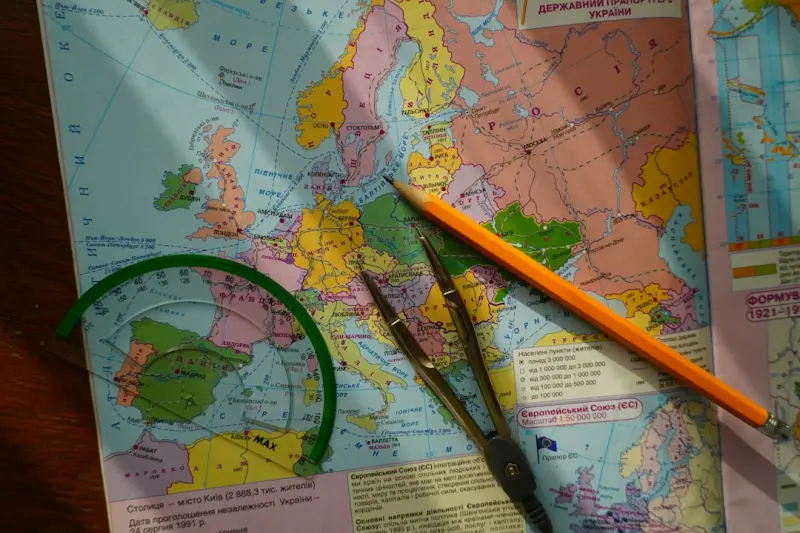
Designing a culinary pilgrimage starts with a map that prioritizes food districts, local producers, and seasonal festivals. Unlike traditional itineraries that cluster attractions by proximity, this approach clusters experiences by flavor profiles and culinary ecosystems. For instance, instead of spending a day in a city’s historic quarter, you might allocate a morning to a sunrise market, an afternoon to a family‑run fermentation workshop, and an evening to a pop‑up dinner in a hidden courtyard.
Tools that were once reserved for backpackers—like niche food‑travel forums and regional Instagram hashtags—now serve as the primary research hubs. Apps that aggregate farm‑to‑table events or community‑run cooking classes provide real‑time data, allowing travelers to pivot on the fly and chase the freshest local offerings.
From Street Stalls to Table: The Spectrum of Experience
Every culinary pilgrimage needs a balance of the spontaneous and the curated. Street stalls offer raw, unfiltered taste experiences: think of a tiny noodle cart in a back alley serving broth that’s been simmered for 18 hours, or a roadside taco stand where the chef has been perfecting a secret salsa for decades. These moments often happen unexpectedly, turning a simple walk into an unforgettable discovery.
On the other end of the spectrum, curated experiences—like a multi‑course tasting menu hosted in a centuries‑old monastery—provide depth and context. Chefs in these settings often act as storytellers, weaving the region’s agricultural history, folklore, and personal anecdotes into each dish. The result is a layered narrative that satisfies both the palate and the intellect.
Connecting with the People Behind the Plate
True culinary tourism goes beyond consumption; it fosters relationships. Engaging with local chefs, farmers, and market vendors transforms a transaction into a dialogue. Ask about the heirloom variety of a vegetable, the reason a particular spice is harvested at a specific lunar phase, or the cultural significance of a ritual dish. These conversations often lead to invitations—perhaps a family dinner, a harvest celebration, or a private cooking lesson—that would otherwise be impossible for a typical tourist.
Such connections also have a ripple effect. When travelers share their experiences online, they spotlight small producers and help sustain culinary traditions that might otherwise fade. It’s a form of cultural preservation powered by curiosity and goodwill.
Technology’s Role in the Modern Food Quest
Artificial intelligence and data analytics are reshaping how we discover culinary gems. Recommendation engines now sift through millions of reviews, social media posts, and even satellite imagery to highlight emerging food districts before they become mainstream. Travelers can receive real‑time alerts about a pop‑up supper club that’s opening for one night only, or a local farmer’s market that just announced a rare produce drop.
For those who love the serendipity of tiny travel experiences, AI can surface micro‑events—like a spontaneous jam session of street musicians next to a food stall—turning a routine stop into a memorable encounter.
Case Study: The Spice Route Revitalized
Consider the historic spice routes that once linked continents. Modern culinary pilgrims are retracing these ancient pathways, not for trade, but for taste. In a recent expedition across the Mediterranean, a group of travelers visited a family‑run olive press in Crete, learned about the fermentation process of ancient figs in Sicily, and tasted saffron harvested by hand in a remote Greek island. Each stop offered a tangible link to the past, while showcasing how these age‑old commodities continue to shape local economies.
Such journeys underscore a larger trend: travelers are seeking experiences that feel both timeless and immediate, blending history with the present moment.
Beyond the Plate: The Ripple Effect on Communities
When a traveler chooses a small, family‑run eatery over a global chain, the economic impact is significant. Revenue stays within the community, supporting local farms, artisans, and educators. Moreover, the influx of curious diners encourages younger generations to preserve culinary knowledge, turning traditional recipes into viable business models.
These dynamics echo the insights of research on how wanderers shape smarter cities. Travelers act as informal urban planners, highlighting underused spaces—like a forgotten courtyard that could host a night market—prompting city officials to rethink zoning and public space usage.
Practical Tips for Planning Your Culinary Pilgrimage
- Start with a flavor, not a destination. Identify a dish or ingredient you’re passionate about and trace its origins.
- Research seasonal windows. Many iconic foods are only available during specific harvest periods.
- Engage local food bloggers and chefs. Their insider knowledge can uncover hidden gems.
- Be flexible. Allow room in your schedule for spontaneous market visits or unexpected dinner invitations.
- Document responsibly. Share stories that give credit to the people and places behind the food.
Embracing the Unknown: Turning Uncertainty into Flavor
The most rewarding culinary pilgrimages often begin with a simple question: “What’s cooking here today?” That curiosity leads you down alleyways, into bustling markets, and onto communal tables where strangers become friends over shared meals. The uncertainty of not knowing what you’ll find is part of the charm; it transforms travel from a checklist into a living, breathing adventure.
In the end, food is more than sustenance—it’s a language that transcends borders. By making it the compass of your next journey, you’ll discover not just new flavors, but new perspectives, relationships, and stories that stay with you long after the plates are cleared.

Dale Peterson is a freelance writer with a passion for technology, travel, law and personal finance. With 10 years of experience crafting compelling and informative content, he's dedicated to delivering high-quality writing for Blogging Fusion that engages audiences and achieves specific goals.
Related Posts
Sensory Travel: A Journey for All Five Senses
Explore the practice of sensory travel, a method that engages all five senses to deepen memory, boos... Read More

Turning Every Trip Into a Personal Innovation Lab
Learn to treat each journey as a lab for personal growth. From hypothesis crafting to reflective sto... Read More

The Pop‑Up Office Traveler: Blending Work, Culture, and Wanderlust
Discover the rise of pop‑up office travel, a fresh approach that merges remote work with deep cult... Read More
Top Posts
Micro‑Habit Architecture for Mental Resilience
Discover a practical framework of micro‑habits that quietly rewire your brain for stress resistance, focus, and sustainable performance....Read More

Unlock Hidden Potential in Your Home: 7 Overlooked Spaces That Can Transform Daily Life
Explore practical, low‑budget ideas to repurpose underused areas of your home—from a hallway closet command center to a hidden attic studio—creating purpo...Read More
Chasing the Uncharted Railway: A Journey Through Forgotten Tracks
A traveler uncovers the charm of obscure train lines, sharing stories of spontaneous connections, historic echoes, and the art of minimalist adventure....Read More

Elevate Your Daily Grooming: Tiny Rituals for Big Confidence
Learn to turn everyday grooming into a confidence‑building ritual with time‑boxed bursts, scent‑sound pairings, and portable, sustainable care kits....Read More
0 Comments
Post Comment
You will need to Login or Register to comment on this post!