
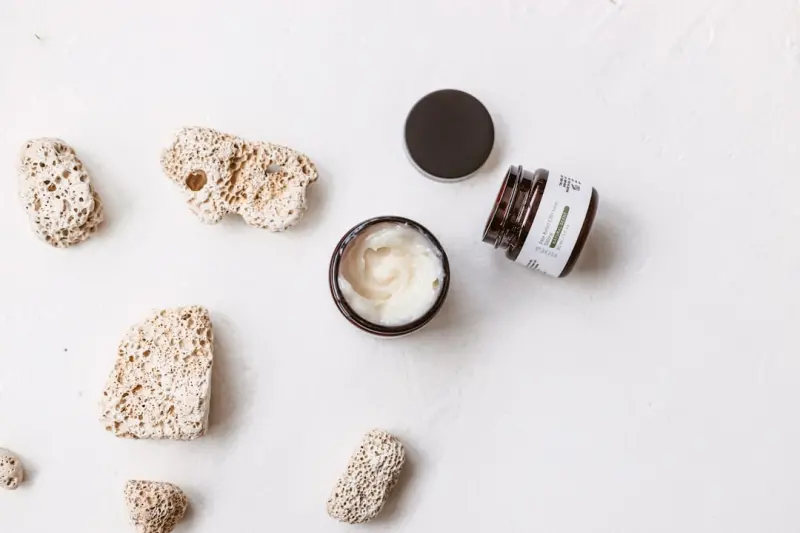
Imagine opening your bathroom cabinet and finding a bubbling jar of fermented tea, a handful of probiotic powder, and a simple recipe card that promises a radiant complexion without a single synthetic ingredient. This isn’t a futuristic fantasy; it’s the DIY fermented skincare movement that’s quietly reshaping how we think about personal care. As someone who has spent countless evenings experimenting with kombucha, kefir, and miso in the kitchen, I’ve discovered that the same microbes that keep our gut healthy can also nurture our skin—if we give them the right environment.
The Science Behind Fermentation and Skin Health
Fermentation is nature’s way of breaking down complex molecules into more bioavailable forms. When grains, vegetables, or dairy are fermented, beneficial bacteria (often Lactobacillus and Bifidobacteria) produce enzymes, organic acids, and vitamins that can be absorbed more easily by the body. In the context of skin, these by‑products can:
- Balance the skin’s pH – Lactic acid gently exfoliates while maintaining the acid mantle, a protective barrier that deters harmful microbes.
- Strengthen the microbiome – Introducing friendly bacteria helps crowd out opportunistic pathogens, reducing redness and breakouts.
- Deliver antioxidants – Fermented foods generate polyphenols that combat free radicals, slowing the appearance of fine lines.
- Boost barrier repair – Certain peptides produced during fermentation signal skin cells to produce more ceramides, the lipids that lock in moisture.
These mechanisms mirror what researchers call the “gut‑skin axis,” a bidirectional communication channel where gut health influences skin condition and vice‑versa. While academic papers are still unpacking the exact pathways, early clinical trials with topical probiotics show promising reductions in eczema severity and acne lesions. The takeaway? Fermentation isn’t just a culinary trend; it’s a potent, science‑backed tool for skin vitality.
Why DIY Fermented Skincare Is Gaining Traction
There are three interlocking forces propelling the DIY fermented skincare wave:
- Transparency and control. Consumers are demanding ingredient lists that are short, understandable, and free from hidden preservatives. Fermenting at home puts the power back in your hands—no mystery “probiotic complexes” sourced from obscure labs.
- Sustainability. Fermented products typically require fewer synthetic additives, reducing the environmental footprint of manufacturing and packaging. A jar of homemade ferment can replace dozens of single‑use plastic containers.
- Personalization. Every skin type is unique. By adjusting fermentation time, temperature, and substrate (the base material you ferment), you can fine‑tune the potency and texture of your final product.
When I first tried a simple kombucha‑infused toner, the subtle tang of acetic acid gave my skin a fresh, dewy glow that commercial toners never achieved. Since then, I’ve experimented with miso, kimchi brine, and even fermented oat milk, each delivering distinct textures—from watery sprays to creamy moisturizers.
Getting Started: Your Fermentation Toolkit
Before you dive into the bubbling world of skin‑friendly ferments, gather these basics:
- Glass jars with airtight lids (wide‑mouth mason jars work great).
- A clean, non‑metal stirring utensil (stainless steel can interfere with some bacterial cultures).
- Starter culture – This can be plain kombucha SCOBY, kefir grains, miso paste, or even a spoonful of store‑bought fermented sauce.
- Base ingredient – Choose a skin‑compatible liquid like distilled water, rose water, or aloe vera juice.
- Optional additives – Vitamin C powder, hyaluronic acid, or botanical extracts to boost efficacy.
Once you have these, you’re ready to follow a simple three‑step process: mix, ferment, and filter. Below is a starter recipe that balances ease of preparation with impressive results.
Recipe: Kombucha‑Infused Hydrating Toner
- Mix. In a clean jar, combine ½ cup of freshly brewed kombucha (unflavored) with ½ cup of distilled water. Add 1 tsp of botanical glycerin for extra moisture.
- Ferment. Seal the jar and store it at room temperature (68‑75°F) for 24‑48 hours. The longer you let it sit, the stronger the acidity—and the more astringent the toner will feel.
- Filter. After fermentation, strain the liquid through a fine‑mesh sieve or cheesecloth into a spray bottle. Discard any sediment.
- Use. Spritz onto clean skin morning and night. Follow with your favorite serum or moisturizer.
The result is a gentle, pH‑balancing toner that leaves the skin supple and primed for the next steps in your routine. For a more soothing version, replace half the kombucha with rose water and add a few drops of chamomile extract.
Advanced Fermentation: Building Multi‑Layered Skincare
Just as a well‑crafted outfit involves layers, a sophisticated fermented skincare regimen can stack multiple fermented products, each targeting a specific concern. Think of it as a explore the concept for your skin: a base layer of hydrating toner, a middle layer of probiotic serum, and a final barrier‑locking cream.
Here’s an example of a three‑step fermented stack:
- Step 1 – Fermented Toner. The kombucha toner described above establishes a balanced pH and preps the skin.
- Step 2 – Probiotic Serum. Blend 2 tsp of kefir whey with 1 tsp of hyaluronic acid and a few drops of niacinamide. Let sit for 12 hours, then apply a thin layer.
- Step 3 – Fermented Oil Cream. Whisk together equal parts fermented jojoba oil (infused with miso for 48 hours) and shea butter. Add a dash of Vitamin E oil for stability.
This layered approach mirrors the body’s natural defense system: the toner acts as the outer guard, the serum delivers targeted nutrients, and the cream seals everything in.
Common Pitfalls and How to Avoid Them
While fermenting skin care at home is rewarding, a few missteps can sabotage your efforts:
- Contamination. Always work with clean hands and sterilized jars. If you notice mold (green, black, or fuzzy patches), discard the batch immediately.
- Over‑Fermentation. Too much time can produce overly acidic solutions that irritate the skin. A good rule of thumb is to taste a tiny drop; it should be tangy but not sour.
- Improper Storage. Fermented products are living, so they need a cool, dark place. Once bottled, keep them in the refrigerator to slow further fermentation.
- Allergic Reactions. Even natural ingredients can trigger sensitivities. Patch‑test on the inner forearm before applying to the face.
Integrating Fermented Skincare into a Holistic Routine
Fermented products thrive when they’re part of a broader lifestyle that respects the body’s rhythms. Here are three habits that amplify their benefits:
- Mindful Breathing. Before applying your fermented serum, take three deep breaths. This simple pause activates the parasympathetic nervous system, enhancing absorption.
- Gentle Massage. Use upward strokes with your fingertips to stimulate lymphatic drainage, allowing probiotic molecules to travel deeper.
- Night‑time Fermentation. Let your skin absorb the active ingredients while you sleep; the skin’s repair processes peak during the dark phase.
These micro‑habits, though modest, echo the principle discussed in learn how tiny habits reshape routines, illustrating how small, intentional actions can compound into significant skin health gains.
Environmental Impact: Fermentation as a Sustainable Choice
Traditional skincare relies heavily on petrochemical surfactants, synthetic preservatives, and single‑use packaging. By contrast, fermented DIY skincare reduces waste in two ways:
- Reduced Packaging. One glass jar can produce multiple batches, eliminating the need for dozens of plastic bottles.
- Lower Carbon Footprint. Fermentation is a low‑energy process, requiring only ambient temperature and time—no extensive manufacturing or shipping.
In a world where consumers are increasingly holding brands accountable for their environmental record, adopting a fermented routine can be both a personal and political statement.
Scaling Up: From Kitchen Counter to Small Business
Many entrepreneurs have turned their home‑grown ferment experiments into boutique brands, leveraging the authenticity of handcrafted formulas. If you’re considering taking the leap, keep these considerations in mind:
- Regulatory Compliance. Research local cosmetics regulations; in many jurisdictions, fermented products still fall under standard labeling requirements.
- Stability Testing. Even natural formulations can degrade; conduct shelf‑life tests to determine appropriate preservatives (if any).
- Brand Storytelling. Consumers love a narrative. Share the origin story of your ferment, the science behind it, and the personal journey that led you to this point.
By maintaining transparency about your process, you can differentiate your brand in a crowded market, much like how read more about narrative evolution has reshaped digital storytelling.
Final Thoughts: Embrace the Living Beauty of Fermentation
Fermented skincare invites us to view personal care as a living, evolving practice rather than a static set of products. It aligns with a broader cultural shift toward mindfulness, sustainability, and self‑sufficiency. By harnessing the power of microbes, we can create skin solutions that are as dynamic as the ecosystems they support.
Whether you’re a busy professional looking for a quick, effective toner, a sustainability enthusiast seeking to cut plastic waste, or an aspiring entrepreneur ready to launch a boutique line, fermented skincare offers a versatile canvas. The next time you brew a batch of kombucha, don’t toss the leftover liquid—let it become the secret ingredient in your next glow‑boosting routine. Your skin—and the planet—will thank you.

Miranda Murphy: Experienced freelance writer with a decade of storytelling expertise. Let's create something amazing together!
Related Posts

When Night Falls: Synchronizing Sleep and Personal Care for a Radiant Tomorrow
Discover a rhythm‑based evening routine that respects your circadian rhythm, using simple steps li... Read More
Personal Care Rituals That Actually Stick
A deep dive into creating sustainable personal care rituals, blending mindfulness, sensory cues, and... Read More
Elevate Your Daily Grooming: Tiny Rituals for Big Confidence
Learn to turn everyday grooming into a confidence‑building ritual with time‑boxed bursts, scentâ... Read More
Top Posts

Why Garden Desks Are the Hottest Trend Transforming Home & Garden Living
Explore the rise of garden desks, their design tips, productivity gains, and community impact, all while embracing a greener, more balanced lifestyle....Read More

The Unexpected Power of Play: Reclaiming Joy to Boost Mental Health in High‑Pressure Careers
Play isn’t a luxury—it’s a mental‑health tool. This article explores science‑backed ways to embed short, fun activities into busy workdays, boosting m...Read More

The New Playground: AI as a Co‑Creator in Business Brainstorms
Generative AI is moving from data crunching to the creative front lines, acting as a co‑creator in brainstorming sessions. This post outlines how teams can ha...Read More

AI Mentors at Work: Turning Personalized Learning Into Everyday Dialogue
An AI mentor goes beyond static training, offering real‑time, contextual learning that adapts to each employee’s workflow, fostering continuous growth and r...Read More
0 Comments
Post Comment
You will need to Login or Register to comment on this post!