
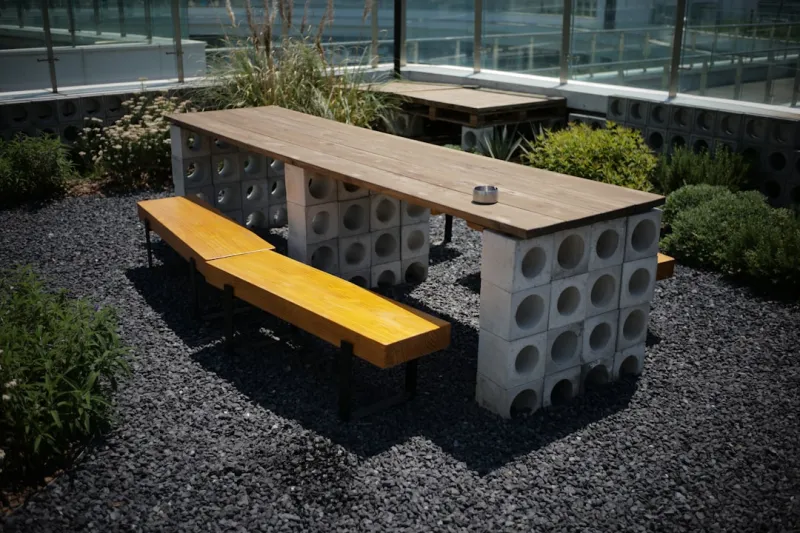
Why Outdoor Workspaces Are Changing Employment
In recent months I’ve watched the traditional office landscape dissolve into a mosaic of patios, rooftops, and backyard sanctuaries, and I realized that this shift isn’t just a passing trend but a fundamental re‑imagining of what it means to “go to work.” Companies that once measured success by square footage now track sunlight exposure, and employees are negotiating desk locations with the same fervor they once reserved for salary packages; the rise of outdoor desks has turned the simple act of stepping outside into a strategic career move. Research shows that exposure to natural light can increase alertness by up to 30 %, and the data aligns with anecdotes from countless professionals who claim their most creative breakthroughs arrived while sipping tea among blooming petunias. The momentum is palpable, and it’s reshaping hiring practices, performance metrics, and even corporate real‑estate portfolios.
My own transition from a fluorescent‑lit cubicle to a garden oasis began as a desperate experiment during a particularly grueling project deadline, and it quickly evolved into a permanent lifestyle upgrade. I remember the first morning I set up my laptop on a reclaimed wooden table beneath a pergola, the scent of rosemary drifting in as I answered client calls; the ordinary clatter of keyboards was replaced by birdsong, and I felt an immediate lift in morale. That moment sparked a deeper investigation, leading me to read Why Outdoor Desks Are the Secret Weapon for Modern Employees, which confirmed that my experience was part of a larger movement where outdoor workspaces are being recognized as productivity catalysts rather than novelty perks.
Beyond the aesthetic appeal, the mental‑health benefits of working outdoors are both profound and measurable, turning the garden desk into a therapeutic tool rather than just a piece of furniture. Studies published in occupational health journals indicate that employees who spend at least 30 minutes a day in natural environments report a 25 % reduction in stress hormones, and the calming influence of green foliage has been linked to improved focus and reduced burnout. In my own routine, I schedule “nature breaks” where I step away from the screen to tend to a small herb garden, an act that not only refreshes my mind but also provides a tangible sense of accomplishment that fuels my workday. The subtle shift from static indoor environments to dynamic outdoor settings creates a feedback loop of well‑being that directly translates into higher engagement and lower absenteeism.
Designing Your Garden Desk
Creating a functional outdoor workspace requires more than simply placing a laptop on a patio table; it demands thoughtful design that balances ergonomics, weather resilience, and aesthetic harmony with the surrounding landscape. Start by selecting a sturdy, weather‑treated desk surface—reclaimed wood or powder‑coated metal are ideal choices—and pair it with an adjustable chair that offers lumbar support, because comfort should never be sacrificed for the sake of novelty. Incorporate a shade solution such as a retractable awning or pergola to protect screens from glare and UV damage, while also ensuring that you have a reliable power source; solar‑powered chargers and weather‑proof power strips keep you connected without compromising sustainability goals.
Technology integration is another critical component, and the modern garden desk must be equipped to handle high‑bandwidth tasks just as efficiently as a traditional office. A high‑speed mobile hotspot, preferably with a 5 GHz band, mitigates connectivity issues that can arise in suburban neighborhoods, and a portable monitor mounted on an adjustable arm expands screen real estate for multitasking. I found that a rugged, waterproof keyboard and mouse set dramatically reduces the risk of moisture damage, and pairing these tools with a sturdy, waterproof mouse pad ensures consistent performance even after a light drizzle. For those who cherish a tactile connection to nature, consider adding a small rain gauge or humidity sensor to monitor environmental conditions and adapt your workspace accordingly.
Personalization is where the garden desk truly becomes an extension of your professional identity, and the inclusion of greenery—whether in the form of potted succulents, a vertical herb wall, or a miniature bonsai—adds both visual appeal and air‑purifying benefits. I recently installed a compact hydroponic system that supplies fresh basil for my afternoon salads, turning lunch breaks into a seamless blend of nourishment and productivity. These living elements also serve as natural sound dampeners, muffling the occasional traffic hum while enhancing focus. When you design a space that reflects your personality, you foster a sense of ownership that fuels motivation and cultivates a workplace culture where creativity thrives beyond the confines of traditional office walls.
The Broader Impact on Careers and Companies
As more professionals embrace outdoor workstations, companies are re‑evaluating their talent acquisition and retention strategies, recognizing that flexibility now extends to the very air we breathe while we work. Employers who offer subsidies for garden desk setups or provide on‑site green spaces report higher employee satisfaction scores, and this competitive edge translates into lower turnover rates and a stronger employer brand. In fact, a recent industry survey highlighted that 68 % of respondents would consider a job offer more attractive if it included the option to work from a personalized outdoor environment, underscoring the growing importance of nature‑centric benefits in the modern employment landscape.
From a macro perspective, the shift toward outdoor workspaces is prompting urban planners and corporate real‑estate developers to rethink the allocation of square footage, leading to the emergence of hybrid campuses that blend indoor collaboration zones with expansive garden terraces. This evolution is documented in articles such as The Garden Desk Revolution: How Outdoor Workspaces Are Redefining Employment, which outlines how businesses are repurposing underutilized roof decks and courtyard areas into vibrant productivity hubs. The resulting synergy between architecture and ecology not only reduces the carbon footprint of office buildings but also positions companies as leaders in sustainable workplace innovation.
Looking ahead, the integration of outdoor workstations is likely to become a standard component of employment contracts, with HR policies incorporating guidelines for health‑safe outdoor setups, ergonomic assessments, and even seasonal wardrobe recommendations. As we collectively recognize the profound impact of nature on cognition, creativity, and well‑being, the garden desk will no longer be a niche accessory but a cornerstone of the future workplace—a tangible reminder that the line between home and office can be as fluid as the breeze rustling through the leaves.

When it comes to the world of blogging and writing, Rose DesRochers is a name that stands out. Her passion for creating quality content and connecting with her audience has made her a trusted voice in the industry. Aside from her skills as a writer and blogger, Rose is also known for her compassionate nature.
Related Posts
Building a Future‑Proof Career Through Internal Mobility and Skills Mapping
Learn to navigate job market shifts by mastering internal mobility and skill mapping, turning every ... Read More

Why Sabbaticals Are the Secret Weapon for Modern Companies
Sabbaticals, once a rare perk, are now a strategic asset for companies seeking innovation, higher re... Read More
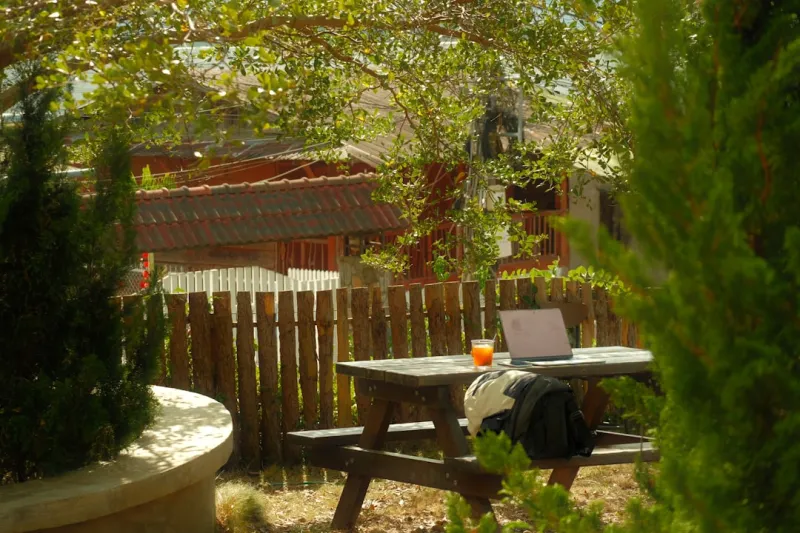
How My Garden Desk Reinvented My Work Life
A personal journey reveals how swapping a cubicle for a garden desk transforms work habits, enhances... Read More
Top Posts
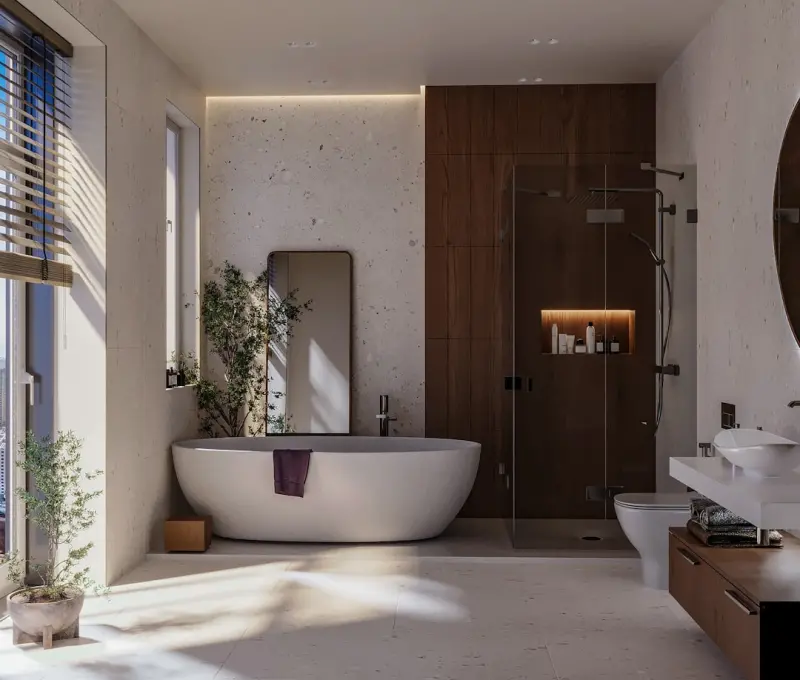
Transform Your Bathroom Into a Daily Wellness Retreat
Learn to create a calming bathroom sanctuary using color, scent, sound, and simple DIY skincare, turning daily routines into moments of genuine wellness....Read More

Personal Climate Hacks: How Tiny Temperature Tweaks Supercharge Your Health
Learn how small, targeted temperature adjustments in your home and office can improve immunity, sharpen focus, and enhance sleep, using smart devices, breathabl...Read More

Layered Sensory Care: Elevate Your Daily Personal Routine
Learn to turn everyday grooming into a restorative ritual by layering light, aroma, texture, and temperature—boosting both skin health and mental clarity whil...Read More

AI‑Driven Creative Collaboration: Redefining the Writer’s Workshop
Explore how AI collaboration turns solitary writing into a dynamic partnership, offering fresh ideas, ethical guidance, and a toolkit for modern authors....Read More
0 Comments
Post Comment
You will need to Login or Register to comment on this post!