
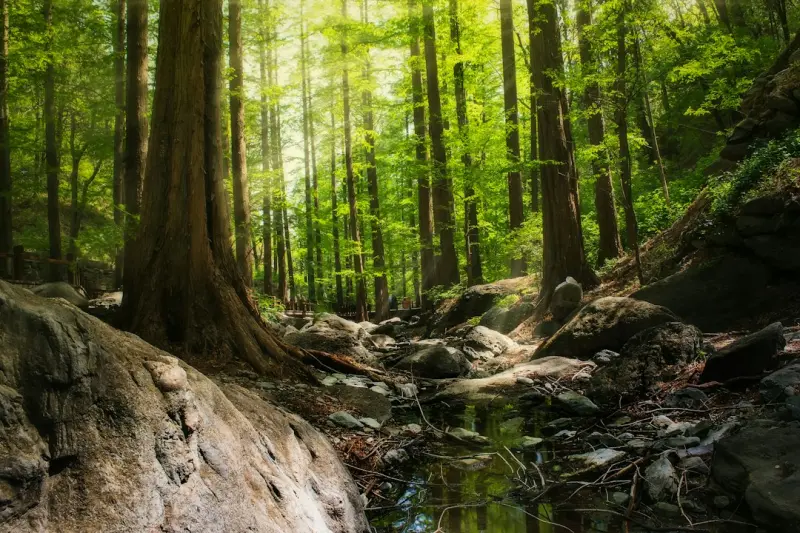
Why Forest Bathing Isn’t Just a Trend – It’s a Lifeline for Modern Health
When I first heard the term forest bathing (or shinrin-yoku in its Japanese birthplace), I pictured a serene walk among ancient trees, a kind of Instagram‑ready moment. But the deeper I dug—literally and figuratively—I discovered that this practice is a science‑backed prescription for the kind of chronic stress that tech‑driven lives breed.
In my own routine, the most powerful antidote to endless Zoom calls and notification overload has become stepping outside, away from screens, into a patch of green that feels almost like a living, breathing therapist. Below, I’m sharing the research, the practical steps, and the subtle ways you can weave forest bathing into a busy schedule without needing a weekend retreat.
The Science That Turns a Stroll into a Health Upgrade
Researchers in Japan, South Korea, and the United States have been measuring the physiological impact of spending time in forested environments for decades. Here are the headline findings that keep me reaching for my walking shoes:
- Reduced cortisol: A 30‑minute walk among trees can lower cortisol levels by up to 20% compared to walking in urban settings.
- Enhanced immune function: Phytoncides—volatile compounds released by trees—have been shown to increase the activity of natural killer (NK) cells, the body’s frontline defenders against viruses and tumors.
- Improved heart rate variability (HRV): Time in nature boosts HRV, a marker of autonomic nervous system balance, which translates to better stress resilience.
- Sharper cognition: A study from the University of Michigan found that a single 15‑minute walk in a park improves attention and working memory more than a caffeine boost.
All of these data points line up with what I feel after a deliberate walk: lighter head, steadier heart, and a clearer sense of purpose.
Why Forest Bathing Beats a “Digital Declutter” (And Works With One)
My favorite article on our blog—Digital Declutter: Reclaiming Mental Space in a Hyper‑Connected World—offers strategies to cut down screen time. Forest bathing is the natural complement to that approach. Instead of merely turning off notifications, you replace the mental vacuum they create with a sensory‑rich environment that rewires your brain.
When you step into a forest, the visual noise of a smartphone screen is replaced by a kaleidoscope of greens, the rustle of leaves, and the earthy scent of damp soil. This multi‑sensory immersion triggers the parasympathetic nervous system, the “rest‑and‑digest” mode that digital decluttering alone can’t fully activate.
Getting Started: The “Micro‑Forest Bath” for Urban Dwellers
Not everyone lives near a sprawling national park. Luckily, the concept scales down. Here’s a step‑by‑step guide to creating a micro‑forest bath wherever you are:
- Identify a green pocket: Look for a city park, a tree‑lined street, a community garden, or even a rooftop garden with a few mature trees.
- Set an intention: Before you step outside, decide on a purpose—whether it’s “lower my stress” or “reset my focus.” Intentionality turns a casual walk into a therapeutic session.
- Leave the tech behind: Keep your phone on airplane mode or, better yet, leave it at home. If you must bring it for safety, turn off all apps and notifications.
- Engage all five senses:
- Sight: Notice the shades of green, the patterns of bark, the play of light on leaves.
- Sound: Tune into birdcalls, wind rustling, distant water.
- Smell: Inhale the terpene‑rich scent of pine or the earthy musk after a rain.
- Touch: Run your fingers over bark, feel the texture of moss, let the grass brush your ankles.
- Taste: If safe and permissible, try a bite of a wild berry (or sip a locally sourced tea).
- Slow your pace: The goal isn’t cardio; it’s mindfulness. Walk at a speed that lets you stay present with each sensory cue.
- Reflect and journal: After ten to twenty minutes, sit on a bench, close your eyes for a minute, and jot down any changes in mood, thoughts, or bodily sensations.
Even a brief, 15‑minute session can trigger the physiological benefits listed earlier. The key is consistency—aim for at least three micro‑baths per week.
Integrating Forest Bathing Into a High‑Performance Lifestyle
Many of us are accustomed to measuring productivity in metrics and milestones. Here’s how you can frame forest bathing as a performance enhancer rather than a time‑waster:
- Pre‑meeting reset: Spend five minutes under a nearby tree before a high‑stakes presentation. The calm you acquire can improve vocal tone and confidence.
- Creative spark: When you hit a mental block, a short walk can reboot your default mode network, the brain region responsible for divergent thinking.
- Team‑building: Organize a “Nature Sprint” for your department—a 30‑minute group walk that doubles as a low‑key brainstorming session.
My own team at the startup I consult for now starts every Monday with a 10‑minute “green check‑in,” a practice that has visibly lifted morale and reduced early‑week fatigue.
Forest Bathing Meets Other Health Trends
We’ve all read about the Ice Advantage and the surge of cold‑water immersion. Both practices share a common thread: they expose the body to a controlled stressor, prompting adaptation.
Forest bathing, however, leans on a gentler stressor—nature’s soothing complexity. When combined, you can start your day with a brisk cold shower, followed by a 15‑minute walk among trees. The cold shock spikes adrenaline, while the forest walk quickly brings the nervous system back into balance, creating a harmonious hormonal rhythm.
Addressing Common Misconceptions
“I need a deep, remote forest to feel the benefits.” Not true. Studies have shown that even urban green spaces trigger cortisol reduction comparable to that of dense woodlands.
“I have to be a nature expert.” No. The practice is deliberately non‑technical. The only requirement is a willingness to be present.
“It’s a fad that will fade once the next wellness trend arrives.” The data suggests otherwise. Forest bathing has been endorsed by WHO as a preventative health strategy, and hospitals worldwide are incorporating “healing gardens” into their design.
Designing Your Personal Forest Bathing Toolkit
While the core of the practice is simplicity, a few tools can elevate the experience:
- Comfortable footwear: Breathable shoes with good grip for varied terrain.
- Lightweight jacket: Layering ensures you stay comfortable despite temperature fluctuations.
- Reusable water bottle: Hydration supports optimal circulation during your walk.
- Nature journal: A small notebook to capture observations, sketches, or fleeting thoughts.
- Optional: Portable sound recorder: Capture the soundscape for later meditation sessions.
Measuring Your Progress: A Gentle Data Approach
Unlike a fitness tracker that logs steps, forest bathing benefits are often subtle. However, you can still track measurable indicators:
- Heart Rate Variability (HRV): Use a wearable to note HRV before and after a walk. An upward trend signals better stress handling.
- Mood rating: On a scale of 1‑10, record your mood pre‑ and post‑session.
- Sleep quality: Log sleep duration and perceived restfulness. Many practitioners notice deeper sleep after regular forest exposure.
- Immune markers: If you have access to routine blood work, keep an eye on NK cell activity trends.
Remember, the goal isn’t to turn nature into a data point, but to use gentle metrics as encouragement.
Beyond the Walk: Extending Forest Benefits Indoors
If weather or schedule forces you indoors, bring elements of the forest inside:
- Live plants: A few potted ferns or a small indoor tree can improve air quality and visual calm.
- Nature sounds: Play recordings of forest soundscapes while working or meditating.
- Essential oils: Diffuse pine or cedar oil to simulate the aromatic profile of a woodland.
These tactics echo the principles of Sonic, Aromatic, and Tactile: Crafting a Multi‑Sensory Personal Care Ritual, showing how cross‑category ideas can reinforce each other.
Closing Thoughts: Making Forest Bathing a Habit, Not a Luxury
Health is a mosaic of habits, and forest bathing is a piece that fits beautifully with digital wellness, physical activity, and mental resilience. By treating it as a regular appointment—just like a coffee break—you embed a potent, evidence‑based practice into the rhythm of your life.
If you’ve been skeptical about “another wellness trend,” I invite you to try the micro‑forest bath for a week. Track a few simple metrics, note the subtle shifts in mood, and you may find yourself looking forward to that green pause as much as you do to your morning coffee.
Nature doesn’t demand perfection; it simply asks for presence. And that, dear reader, is the most powerful health prescription we can give ourselves.

Steph Sanderson is a Toronto-based freelance writer and content creator with a clear passion: crafting compelling articles. With a dedication to clear, engaging prose and a knack for storytelling, Steph brings a wealth of experience to every project.
Related Posts

Chilling Out: How Cold Water Therapy Boosts Health and Performance
Cold water therapy isn’t a fad; it’s a strategic health hack that triggers hormonal surges, acti... Read More

Reboot Your Brain: The Surprising Power of Sensory Reset
A deep dive into sensory reset: learn why dimming lights, silencing noise, and gentle touch can refr... Read More

Micro‑Outdoor Moments: Small Nature Breaks for Big Health Gains
Micro‑outdoor moments are short, intentional interactions with nature that can be integrated into ... Read More
Top Posts

Reclaiming Play: How Adult Fun Fuels Mental Well‑Being
Discover why integrating playful activities into daily routines can rewire the brain, improve mood, and enhance productivity, offering a fresh, science‑backed...Read More
Seasonal Doorway Transformations: Turning Entryways into Living Welcomes
A step‑by‑step guide to turning any doorway into a seasonal showcase, using resilient plants, sustainable materials, and modest tech to boost curb appeal an...Read More
Curating Home Shelves into Living Galleries: A Storytelling Approach
Learn to turn ordinary shelves into storytelling galleries with practical tips on materials, layering, color, greenery, lighting, and seasonal updates....Read More

Unlocking Internal Talent Markets: Let Employees Navigate Their Own Career Paths
A fresh look at internal talent marketplaces shows how giving employees autonomy over projects revitalizes engagement, accelerates skill development, and create...Read More
0 Comments
Post Comment
You will need to Login or Register to comment on this post!