

Structured Daydreaming: A Counterintuitive Tool for Modern Mental Resilience
When you hear the phrase “daydream,” you probably picture a mind that’s wandering aimlessly—eyes glazed, thoughts drifting like clouds on a lazy afternoon. In the fast‑paced, hyper‑connected world we inhabit, that image feels almost indulgent, even wasteful. Yet, research emerging from cognitive neuroscience and positive psychology suggests that structured daydreaming—a deliberate, purposeful form of mental wandering—can be a powerful antidote to anxiety, decision fatigue, and the ever‑present feeling of overwhelm.
Why “Unstructured” Daydreaming No Longer Suffices
Traditional advice for mental health has leaned heavily on mindfulness, meditation, and the occasional “mental break.” While these practices are undeniably valuable, they often require a quiet space, a certain level of discipline, or the ability to sit still for extended periods. For many professionals juggling back‑to‑back meetings, global collaborations, and a constant stream of notifications, carving out such stillness feels like a luxury.
Enter structured daydreaming. Rather than fighting the natural tendency of the brain to drift, we harness it—giving it a scaffold, a gentle prompt, and a defined timeframe. The result? A mental rehearsal space where you can explore solutions, reframe narratives, and restore cognitive balance without the rigidity of formal meditation.
The Science Behind Intentional Mental Wandering
Neuroscientists have long known that the brain’s default mode network (DMN) lights up when we are not focused on an external task. This network is associated with self‑referential thinking, memory consolidation, and creative insight. Recent studies show that when the DMN is activated in a guided manner, it can:
- Boost divergent thinking, leading to innovative problem‑solving.
- Facilitate emotional processing, helping us re‑evaluate stressful events.
- Strengthen memory integration, making it easier to retrieve relevant information later.
Crucially, these benefits emerge when the brain is given a clear, time‑boxed cue to wander. Unstructured daydreaming, by contrast, often devolves into rumination—a mental loop that amplifies anxiety rather than alleviating it.
Designing Your Structured Daydream Session
Below is a practical framework that you can embed into a typical workday. The whole process takes roughly 10‑15 minutes, making it feasible even for the busiest schedules.
- Set the Intent. Choose a specific theme or challenge you want your mind to explore. It could be a project roadblock, a personal goal, or even a vague feeling you want to understand.
- Choose a Cue. Use a subtle auditory or visual signal—like the chime of a timer, a soft piece of music, or the gentle hum of a desk fan—to signal the start of the session.
- Close Your Eyes (or Glance Softly). Allow your visual input to dim, but keep your body relaxed. This reduces sensory overload while still permitting the brain to access the DMN.
- Let the Narrative Flow. Imagine a short story where you are the protagonist navigating the chosen theme. Don’t censor; let ideas appear, even the absurd ones.
- Capture the Highlights. Once the timer ends, jot down three key insights or emotions that surfaced. This step turns the fleeting mental wander into concrete takeaways.
Over time, you’ll notice patterns—certain types of cues that spark deeper insights, or recurring narrative motifs that reveal underlying concerns. The practice becomes a personal data set for your mental health.
Integrating Structured Daydreaming with Existing Wellness Routines
If you already have a biofeedback breathwork routine, pair it with daydreaming for a synergistic boost. Start with a few minutes of paced breathing to settle the nervous system, then transition into the structured daydream cue. The physiological calmness primes the DMN, making the mental wandering more vivid and productive.
Similarly, if you’ve been practicing a digital declutter, you’ll find that structured daydreaming fits naturally into the reclaimed mental space. By deliberately turning off notifications during your daydream window, you protect the fragile sanctuary you’ve created online, allowing the brain to explore without the constant pull of external stimuli.
Daydreaming for Emotional Regulation
One of the most underappreciated benefits of structured daydreaming is its ability to re‑script emotional narratives. Imagine you’re stuck in a loop of self‑criticism after a missed deadline. Instead of spiraling, you set a daydream intent: “What would my future self say about this moment?” As the mental story unfolds, you might picture a calmer version of yourself offering compassion, highlighting lessons learned, and envisioning a next‑step plan.
This reframing technique mirrors the therapeutic practice of “cognitive restructuring,” but it happens in a more fluid, imaginative mode. The brain treats the imagined compassionate voice as a genuine internal dialogue, which can reduce cortisol spikes and improve mood regulation.
Scaling the Practice for Teams
While daydreaming feels intensely personal, it can also be adapted for group settings, especially remote teams that crave connection beyond task‑focused meetings. Here’s a simple format:
- Pre‑Meeting Prompt. Send a short message the day before a virtual stand‑up, asking members to think about a particular challenge.
- 5‑Minute “Daydream” Warm‑Up. Begin the meeting with a brief timer and a calming sound cue, allowing everyone a moment to let their thoughts drift.
- Share One Insight. Each participant volunteers a single takeaway—no need for exhaustive detail.
This approach not only sparks creativity but also builds a culture where mental space is valued as an asset, not a distraction.
Potential Pitfalls and How to Avoid Them
Like any mental skill, structured daydreaming can be misapplied. Common traps include:
- Over‑Ideation. Generating countless ideas without a filter can lead to decision paralysis. Mitigate this by committing to capture only three insights per session.
- Escaping Reality. Using daydreaming as a way to avoid confronting pressing tasks. Keep the intent focused on a constructive theme related to your current responsibilities.
- Neglecting Follow‑Through. The practice loses value if insights are never acted upon. Schedule a quick “action check” at the end of the day to assign next steps.
Measuring the Impact
Quantifying mental health benefits can feel abstract, but a few simple metrics can provide tangible feedback:
- Insight Log. Maintain a running list of daydream insights. Over weeks, you’ll see an upward trend in actionable ideas.
- Stress Rating. Rate your stress level before and after the session on a 1‑10 scale. A consistent dip indicates physiological impact.
- Productivity Correlation. Track key performance metrics (e.g., task completion rate) alongside daydream frequency. Many users report a modest boost after a few weeks of practice.
Integrating Technology—But Not Over‑Tech
While the core of structured daydreaming is low‑tech, you can enhance the experience with subtle tools:
- Use a focus timer app that allows custom sound cues.
- Record brief voice memos of insights for later transcription.
- Leverage a simple note‑taking app with tags like “#daydream” to categorize entries.
Remember, the goal is to avoid the pitfalls of constant screen time; keep technology as a peripheral aid, not the centerpiece.
Conclusion: Reclaiming the Wandering Mind as a Strategic Asset
Our cultural narrative has long cast mental wandering as a flaw to be corrected—a sign of laziness or lack of focus. Structured daydreaming flips that script, positioning the wandering mind as a strategic resource for creativity, emotional balance, and problem‑solving. By giving the brain a gentle nudge, a clear intent, and a safe container, we can transform idle moments into powerful mental rehearsals that fuel resilience in both personal and professional realms.
Start small. Pick a single theme today, set a timer for ten minutes, and see what stories your mind spins. You might be surprised at how much clarity emerges when you allow yourself to “do nothing”—with purpose.

Paul Flynn is a versatile freelance writer equipped with a diverse skillset and a portfolio that reflects his wide-ranging interests and expertise. From crafting compelling website copy and engaging blog posts to delivering in-depth articles and meticulously researched reports, Flynn demonstrates a remarkable ability to adapt his writing style to suit various audiences and purposes.
Related Posts

Rewiring Resilience: A Brain‑Training Blueprint for Modern Stress
Learn a science‑backed, step‑by‑step approach to strengthen your mind, manage stress, and enha... Read More
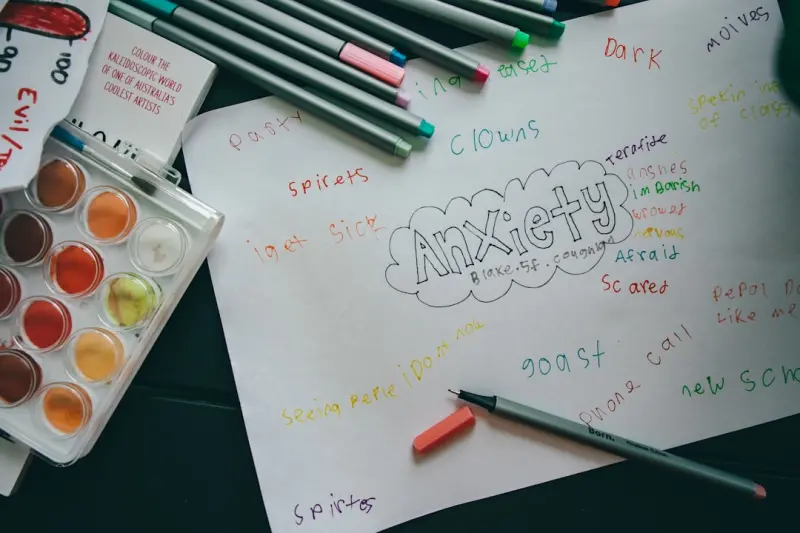
Playful Creativity: A Surprising Antidote to Anxiety
Learn why integrating playful creativity into your routine can reduce anxiety, improve mood, and str... Read More

Tiny Cognitive Pauses: The Unsung Tool for Mental Resilience
Micro‑pauses—short, purposeful moments of breathing, sensory shifting, or movement—reset the b... Read More
Top Posts

Illuminating Health: How Light Shapes Your Body and Mind
Light is a silent regulator of our hormones, mood, and sleep. This article unpacks the science of light, shares a personal 30‑day reset, and offers actionable...Read More

Why a Garden Desk Is the Secret Weapon for Modern Employment
A garden desk isn’t just a pretty piece of furniture—it’s a productivity powerhouse. I share how stepping outside transformed my work, the science behind ...Read More
Quieting the Mind: How Sound Shapes Workplace Mental Health
The article reveals how thoughtful acoustic design, from sound‑absorbing panels to personalized noise‑cancelling tools, can transform noisy workspaces into ...Read More

Designing a Backyard Outdoor Kitchen: From Concept to Culinary Haven
Discover how to plan, build, and sustain a stunning backyard outdoor kitchen that blends functionality, style, and sustainability for unforgettable al‑fresco ...Read More
0 Comments
Post Comment
You will need to Login or Register to comment on this post!