
Introduction
When we talk about mental health in the workplace, most conversations circle around “burnout,” “work‑life balance,” or “mindfulness apps.” Those are valuable topics, but they often feel like re‑hashes of the same playbook. I’m Jimmy, and after years of hopping between startups, consulting gigs, and remote collaborations, I’ve learned that the most sustainable mental‑health upgrades aren’t the flashy ones that get a lot of press—they’re the subtle, almost invisible shifts that rewire the way we experience work on a day‑to‑day basis.
The Hidden Cost of Cognitive Overload
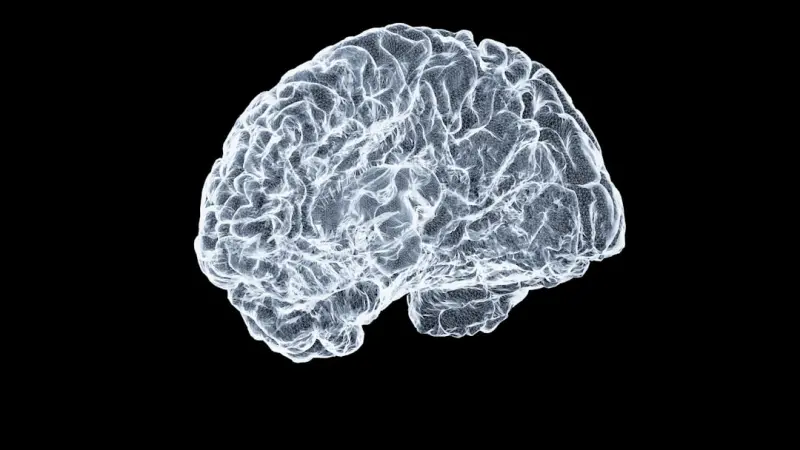
In the age of endless notifications, cognitive overload has become the new normal. Your brain is constantly juggling emails, Slack threads, project updates, and the ever‑present urge to check the latest news feed. This mental traffic jam doesn’t just sap energy; it rewires neural pathways, making it harder to focus, be creative, or even experience joy.
Research shows that when we exceed our brain’s processing bandwidth, the prefrontal cortex—responsible for decision‑making and emotional regulation—gets starved of oxygen and glucose. The result? Short‑term memory glitches, increased irritability, and a lingering sense of “fog.” The antidote isn’t a one‑size‑fits‑all meditation retreat; it’s a series of micro‑adjustments that give the brain breathing room.
Micro‑Movement Breaks: The Body‑Mind Sync
One of the most underrated tools in my mental‑health arsenal is what I call micro‑movement breaks. These are 30‑second to two‑minute bursts of physical activity that interrupt prolonged sitting and mental stagnation. The science is compelling: each brief movement spikes dopamine and norepinephrine, chemicals that sharpen attention and elevate mood.
Implementing them is simple. Set a timer for every 45 minutes of focused work and stand up for a quick stretch, walk around your desk, or do a set of shoulder rolls. The key is to keep it micro—no need for a full workout, just enough to signal your nervous system that you’re shifting gears.
For readers looking for a ready‑made list, the post micro‑movement breaks offers a treasure trove of ideas you can drop into your calendar right now.
Designing Your Physical Space for Mental Resilience
Physical surroundings shape mental states more than we admit. While many articles champion “clean desks” or “green plants,” I’ve found that the most impactful changes are purposeful micro‑adjustments that align with how your brain works.
- Lighting Zones: Create a bright “focus zone” with cool, white light for analytical tasks, and a warm, amber‑hued “relax zone” for reading or brainstorming. The contrast cues the brain to switch between high‑alert and low‑alert modes.
- Acoustic Anchors: Use a small, dedicated speaker or a pair of earbuds that play a specific soundscape (e.g., low‑frequency hum or soft rain) only when you’re in deep work. Over time, the brain associates that sound with concentration, reducing the need for willpower.
- Tactile Triggers: Keep a textured object—like a smooth stone or a soft fabric—within arm’s reach. When anxiety spikes, holding it for a few breaths activates the parasympathetic nervous system, lowering heart rate.
If you’re looking for a broader blueprint, consider the guide on simple home tweaks for mental calm. While the focus there is on overall stress reduction, the principles translate directly to a home office environment.
Reframing “Productivity” as a Mental‑Health Metric
Traditional productivity metrics—tasks completed, hours logged—ignore the psychological cost of relentless output. I propose a new KPI: Psychological Throughput. This measures not just how many items you finish, but how much mental bandwidth you retain after each block of work.
How to track it?
- At the end of each work block, rate your mental clarity on a 1‑10 scale.
- Note any spikes in anxiety, frustration, or fatigue.
- Correlate these scores with the type of task, time of day, and environmental conditions.
Over a week, patterns emerge. You might discover that creative brainstorming yields higher clarity scores in the early afternoon, while data‑heavy analysis peaks in the morning. Adjusting your schedule around these insights protects mental stamina without sacrificing output.
The Power of Narrative Journaling for Cognitive Reset
Storytelling isn’t just for marketers; it’s a core human function for processing experience. Narrative journaling—writing a short, structured story about your day—helps externalize mental clutter and re‑frame challenges.
Use the following template:
- Scene: Describe the setting (e.g., “I’m in a video call with the product team.”)
- Conflict: Identify the tension (“I feel stuck on the feature specs.”)
- Resolution: Note any action you took or plan to take (“I’ll break the specs into three micro‑tasks.”)
- Reflection: Capture the emotional outcome (“I feel lighter, like a weight lifted.”)
Writing just 150‑200 words each evening creates a mental “off‑switch,” allowing the brain to archive the day’s events and clear space for tomorrow’s challenges.
Community‑Driven Mental Health: Peer Accountability Pods
Isolation is a silent killer of mental health, especially for remote workers. Traditional “buddy systems” often feel forced, but a more organic approach is the creation of Peer Accountability Pods—small groups of 3‑5 colleagues who meet weekly to share wins, obstacles, and mental‑health check‑ins.
Key features of an effective pod:
- Voluntary Membership: Members choose to join based on mutual trust.
- Time‑Boxed Check‑Ins: 15‑minute rounds where each person states one success and one mental‑health challenge.
- Actionable Support: The group offers one concrete suggestion or resource for the challenge shared.
These pods become micro‑communities that normalize mental‑health conversations, reduce stigma, and provide practical help when stress spikes.
Digital Boundaries Without a Full‑On Detox
Many articles advocate for a total digital detox, but that’s impractical for most professionals. Instead, I recommend micro‑digital boundaries:
- Notification Curfews: Turn off non‑essential push notifications after a set hour (e.g., 7 p.m.).
- App‑Specific Focus Modes: Use built‑in OS features to allow only work‑related apps during core hours.
- Screen‑Free Zones: Designate a part of your home (like the kitchen table) as a no‑screen area for meals and informal chats.
This approach preserves the benefits of connectivity while protecting mental bandwidth from constant interruption.
Leveraging “Positive Friction” to Build Resilience
We often hear about “removing friction” to improve efficiency. In mental‑health engineering, a bit of intentional friction can be beneficial. I call it positive friction—small, deliberate obstacles that force you to pause and reflect before proceeding.
Examples include:
- Requiring a two‑step verification before sending a high‑stakes email (helps curb impulsive tone).
- Placing a physical “thinking stone” on your desk that you must pick up and hold while deciding on a critical decision.
- Setting a rule that any meeting longer than 30 minutes must include a 2‑minute “mental reset” segment where participants close eyes and breathe.
These tiny hurdles train the brain to recognize moments of autopilot and intervene, strengthening emotional regulation over time.
Conclusion: A Personal Blueprint for Mental‑Health Mastery
Modern work demands a mental‑health strategy that’s as adaptable as the technology we use. By integrating micro‑movement breaks, purposeful environmental tweaks, narrative journaling, peer pods, micro‑digital boundaries, and positive friction, you construct a resilient mental framework that can weather the storms of cognitive overload.
The beauty of this approach is its modularity—you can adopt one piece at a time, measure its impact, and iterate. As you experiment, remember that mental health isn’t a destination; it’s a continuous practice of tuning the brain’s operating system.
Start with a single micro‑movement break tomorrow, and watch how that brief surge of dopamine ripples through your focus, mood, and overall productivity. Then layer on the next habit. In time, you’ll find yourself not just surviving the modern knowledge workplace, but thriving within it.

Jimmy Anand is a content creator that gets inspired by many aspects of life, internet or whatever inspires him at that moment. When he's not online he's gaming and when he is not gaming he is online trolling discussion boards.
Related Posts

Playful Learning: A Surprising Antidote to Remote Work Burnout
In this article, Laura Wilson reveals how integrating brief, purposeful play into remote workdays ca... Read More
Cultivating a Personal Mental Health Dashboard: Data‑Driven Calm in a Noisy World
A step‑by‑step guide to building a personal mental health dashboard that transforms feelings int... Read More
Playful Creativity: A Simple Antidote to Burnout
A practical guide to using playful creativity as a daily mental health boost, with actionable steps,... Read More
Top Posts

Evening Garden Retreat: Light, Water, and Comfort After Dusk
Discover how to transform your backyard into a soothing evening retreat using layered lighting, gentle water features, comfortable seating, and smart organizati...Read More

Grounding Your Way to Better Health: The Science Behind Barefoot Benefits
Grounding, or earthing, is a simple practice of making direct contact with the Earth. This article explains the science behind its health benefits, offers pract...Read More

Rewiring Your Daily Narrative for Mental Resilience
A practical guide to reshaping the internal stories that drive stress, featuring daily micro‑reflections, community story circles, and mindful digital boundar...Read More

Beyond the Itinerary: Crafting Community‑Centric Travel Experiences
Discover a fresh travel model that transforms trips into collaborative, purpose‑driven experiences, fostering professional growth and authentic local connecti...Read More
0 Comments
Post Comment
You will need to Login or Register to comment on this post!