
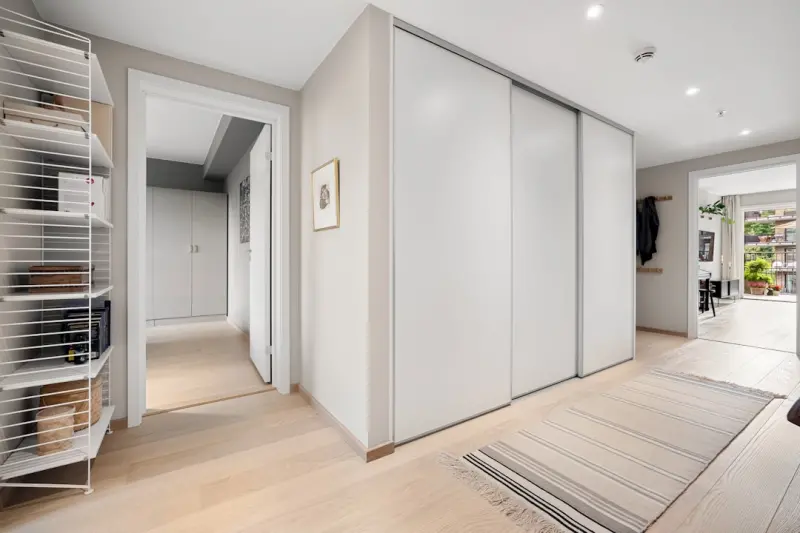
Reimagining the Hallway: A Multi‑Purpose Gallery, Storage Zone, and Mood Booster
Most of us treat the hallway as a mere conduit—a place to drop shoes, hang coats, and sprint past on our way to the kitchen. Yet that often‑overlooked strip of square footage holds untapped potential to shape the way we feel, think, and even work at home. By treating the hallway as a deliberately designed space, you can turn a functional corridor into a visual gallery, a hidden storage solution, and a subtle mood‑setter—all without a major renovation.
Why Hallways Matter More Than You Think
From a psychological standpoint, the environments we pass through set the tone for the rooms that follow. A cluttered, dim hallway can drain energy before you even reach your office or living room, while a thoughtfully curated passage can energize and focus you. This principle aligns with the ideas explored in home zoning strategies, which emphasize intentional design to influence mindset. Your hallway, though narrow, is a perfect canvas for applying those same concepts on a smaller scale.
Step 1: Assess the Space and Set Clear Intentions
Begin by measuring the length, width, and height of your hallway. Note any existing elements—doors, windows, built‑in closets, or electrical outlets. Then answer three simple questions:
- What mood do I want to cultivate? Calm, inspiration, or energizing?
- Which functions am I missing? Extra storage, display area, or a place to pause?
- How much maintenance am I willing to commit? Low‑effort solutions are key for busy households.
Writing down these intentions will guide every subsequent decision, ensuring the hallway serves a purpose beyond simply moving foot traffic.
Step 2: Curate a Rotating Art Gallery
Art has the power to transform perception. Instead of a static piece, create a rotating gallery that evolves with seasons, projects, or personal milestones. Here’s how:
- Choose a uniform hanging system. A simple rail with hooks or magnetic strips keeps installations easy to swap.
- Select versatile frames. Black or wood frames in a consistent size create visual harmony.
- Mix mediums. Alternate photographs, prints, and small sculptures to keep the eye engaged.
- Incorporate personal artifacts. A framed ticket stub from a memorable concert or a child’s drawing adds intimacy.
Because the hallway is a transit zone, the eye naturally pauses for a moment—making it the perfect place for bite‑size inspiration. Rotate pieces every few weeks to keep the narrative fresh, a practice reminiscent of the culinary cartography mindset of discovering new flavors in familiar settings.
Step 3: Optimize Storage Without Sacrificing Aesthetics
Clutter is the enemy of calm. To maintain an uncluttered hallway, integrate discreet storage that blends with your gallery aesthetic:
- Slim floating shelves. Install at eye level to hold books, journals, or small baskets.
- Hidden cabinets. Use a narrow, floor‑to‑ceiling cabinet painted the same color as the walls for a seamless look.
- Multi‑functional benches. A bench with internal storage offers a place to sit and a spot for shoes or blankets.
- Hook systems. Decorative metal hooks can hold coats, bags, or even a lightweight coat rack that doubles as a display for vintage keys or scarves.
By aligning storage solutions with the visual language of your gallery, you create a cohesive environment where function and form support each other.
Step 4: Light It Right—Mood‑Setting Illumination
Lighting is a silent influencer. In a hallway, you have the advantage of controlling the ambience from one end to the other. Consider these layered lighting strategies:
- Ambient ceiling fixtures. Soft, diffused LED panels provide uniform illumination without harsh shadows.
- Accent spotlights. Small directional lights above each artwork draw attention and add drama.
- LED strips. Install behind floating shelves for a subtle glow that highlights stored items.
- Smart bulbs. Program color temperature changes to match your daily rhythm—cool whites for morning focus, warm ambers for evening relaxation.
This approach mirrors the concepts in bio‑circuit research, where light, motion, and sound combine to boost resilience. Your hallway can become a micro‑environment that supports your physiological needs.
Step 5: Introduce Texture and Scent for a Full‑Sensory Experience
Visual design is only part of the story. Adding tactile and olfactory layers can make the hallway feel like an extension of your well‑being sanctuary:
- Rugs or runner mats. Choose natural fibers—jute, sisal, or woven wool—to add warmth underfoot.
- Wall panels or wallpapers. Textured wallpapers, such as grasscloth, introduce subtle depth.
- Scent diffusers. A discreet ultrasonic diffuser with citrus or pine essential oil can invigorate the mind as you move through the space.
- Plants. Narrow, vertical planters with low‑maintenance greenery, like snake plant or pothos, improve air quality and add a splash of life.
These sensory elements create a hallway that not only looks good but also feels restorative, aligning with the broader personal care playbook for remote workers.
Step 6: Make It Adaptive for Changing Needs
Life is fluid, and your hallway should be too. Design the space so that it can evolve as your family grows, your work style shifts, or your aesthetic preferences change. A modular shelving system, for example, can be reconfigured from horizontal to vertical orientation. Keep a small stash of extra hooks, frames, and lighting fixtures on hand for quick updates. This adaptability echoes the concept of “living contracts” in the workplace—structures that bend without breaking.
Step 7: Maintain the Gallery with Minimal Effort
To keep the hallway fresh without sinking into endless maintenance, adopt a simple routine:
- Weekly dusting. Use a microfiber cloth for surfaces and a handheld vacuum for rugs.
- Monthly rotation. Swap out one piece of art, rearrange a shelf, or change a scent.
- Quarterly declutter. Review stored items; donate or repurpose anything you haven’t used in the last three months.
This low‑time‑investment schedule ensures the hallway stays vibrant and functional without demanding a major time commitment.
Case Study: From Drab Corridor to Creative Hub
Emily, a freelance graphic designer, transformed her 6‑foot hallway using the steps above. She installed a slim floating shelf system painted matte white, added a rail for interchangeable art, and placed a narrow bench with hidden storage at the end. By using smart bulbs set to a cool white during her morning design sprint and a warm amber in the evening, she reported a noticeable boost in focus and a smoother transition from work to home life. The hallway now serves as her personal gallery, a storage solution, and a subtle mood regulator—all without a costly remodel.
Final Thoughts: The Hallway as a Quiet Powerhouse
While the term “powerhouse” often conjures images of high‑tech workstations, the hallway can be a quiet powerhouse of inspiration, organization, and wellness. By treating it as a purposeful zone—complete with rotating art, discreet storage, layered lighting, and sensory touches—you create a seamless bridge between the outer world and your interior sanctuary. This small investment in design can ripple outward, enhancing productivity, reducing stress, and enriching the overall atmosphere of your home.

Jim Pearse, a seasoned freelance writer, brings a wealth of knowledge and passion to the world of home and garden. From the intricacies of landscaping to the nuances of interior design, Jim delves into every aspect of creating comfortable, beautiful, and functional living spaces.
Related Posts

Digital Wellness at Home: Tame Tech for a Healthier Living Space
Learn how to audit, declutter, and automate your home's digital environment, establishing tech‑fre... Read More
Quiet Corners: Simple Hacks to Tame Noise at Home
Learn easy, low‑cost strategies—from door sweeps and heavy curtains to DIY acoustic panels and w... Read More

Boost Your Home’s Energy IQ: Smart, Simple Hacks for Every Room
Learn how to audit, optimize, and smarten up your home’s energy use with easy, actionable steps—... Read More
Top Posts

Why Structured Breathwork Is the Secret Weapon for Modern Professionals
A deep dive into structured breathwork reveals how simple breathing patterns can dramatically improve focus, reduce stress, and enhance overall health, offering...Read More
Why Employee Side‑Projects Are the Secret Sauce for Sustainable Growth
Side‑projects aren't just hobbies—they're a strategic engine for innovation, skill development, and employee retention. Learn how to embed structured, purpo...Read More
Garden Desks: The Unexpected Catalyst for a Healthier Workforce in 2026
Explore why garden desks are becoming the go‑to solution for healthier, more productive work environments, and learn practical steps to bring this trend into ...Read More

Crafting a Multisensory Personal Care Ritual for Everyday Balance
Discover a fresh approach to personal care that blends light, sound, scent, touch, and breath into a cohesive daily ritual, enhancing relaxation, productivity, ...Read More
0 Comments
Post Comment
You will need to Login or Register to comment on this post!