
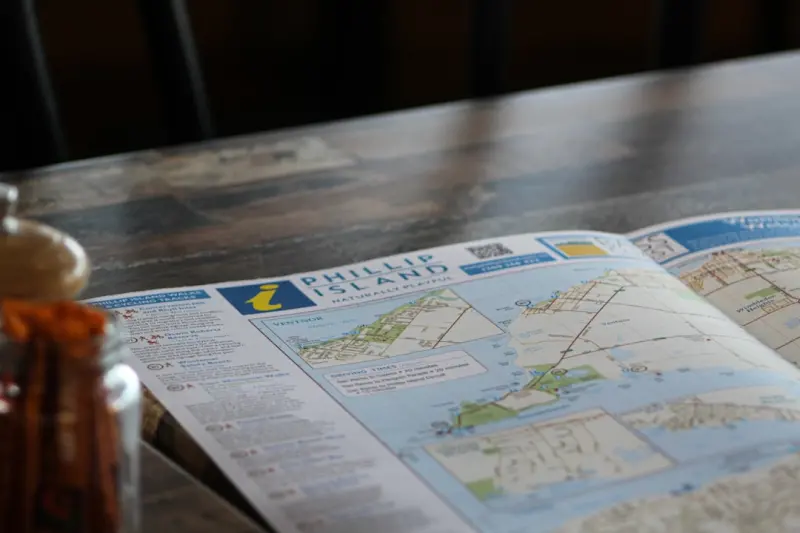
Why Food Maps Matter
When I first set foot in a bustling night market in Bangkok, I wasn’t just hunting for the next Instagram‑worthy dish—I was hunting for a story. Each stall, each simmering pot, whispered a piece of the city’s history, its climate, its people. That realization sparked a habit that’s become my travel compass: culinary cartography. Instead of relying on the usual “top ten” lists, I now draw my own flavor maps, marking the alleys where locals gather, the hidden cafés where the barista knows your name, and the farmer’s stands that sell produce still kissed by the sunrise.
Beyond the Guidebook: Finding Authentic Bites
Guidebooks are fantastic for logistics, but they often skim over the very thing that makes a place memorable—the taste of its everyday meals. To dig deeper, I start with three simple questions:
- Who cooks this dish? If it’s a family recipe passed down through generations, you’re likely tasting a tradition, not a tourist‑crafted version.
- Where do the ingredients come from? Knowing if a spice is sourced locally versus imported tells you about regional agriculture and sustainability.
- What’s the story behind the dish? A humble bowl of ramen might be a tribute to a post‑war era, while a coastal paella could celebrate a town’s fishing heritage.
Following these leads has taken me from a tiny rooftop herb garden in Lisbon—where the chef grew the very basil that crowned his seafood pasta—to a roadside tamale stand in Oaxaca, where the cook shared how each masa is kneaded by hand while humming a lullaby from his grandmother.
Tools of the Trade: Tech Meets Taste
Modern travel isn’t just about a passport and a suitcase; it’s about the gadgets that amplify curiosity. One of my favorite sidekicks is an AI‑powered travel companion that learns my flavor preferences in real time. I feed it a list of dishes I love, and it suggests hidden gems based on sentiment analysis of local reviews, social media chatter, and even weather patterns (because a rainy day in Kyoto calls for a warm bowl of miso).
Another essential tool is a minimalist packing hack that frees up space for the inevitable souvenirs: spices, dried fruit, and a compact portable grinder. I keep a lightweight, collapsible food journal in my daypack, ready to capture aromas, textures, and the fleeting emotions each bite evokes.
Packing for Flavor Exploration
Travelers often overpack, but when your mission is culinary discovery, you need a different approach. Here’s my go‑to list:
- Reusable containers—ideal for buying fresh produce at markets and reducing waste.
- Compact spice kit—a few essential powders (smoked paprika, cumin, sumac) let you recreate a taste of the place once you’re back home.
- Portable espresso maker—because a good espresso can be a cultural ritual as much as a caffeine fix.
- Foldable silicone strainer—perfect for draining street‑food noodles without a bulky colander.
- Travel‑size notebook—to sketch menu cards, jot down the name of that mysterious herb you just tasted.
These items keep my luggage light while ensuring I’m prepared for spontaneous cooking sessions in shared kitchens or on the beach.
Sustainable Sipping and Snacking
Food tourism can inadvertently strain local resources, so I make a conscious effort to travel lightly and responsibly. When I’m in a region known for its coffee, I choose a local roaster that sources beans directly from nearby farms, often paying a premium that goes straight to the growers. In wine‑loving destinations, I opt for natural, low‑intervention vineyards that practice biodynamic farming.
Snacking, too, can be a sustainability lesson. In Reykjavik, instead of grabbing a packaged granola bar, I visited a cooperative that sells dried berries harvested from volcanic soil—nutritious, low‑impact, and utterly unique.
Stories from the Road
One of my most vivid memories comes from a remote village in the Peloponnese, where I was invited to a family dinner after stumbling into a tiny taverna. The host, a retired fisherman, served a stew made from octopus caught that morning, seasoned with wild oregano growing in cracks between the stone walls. As we ate, he told me how the sea’s rhythm dictates the village’s calendar, and how each wave carries a lesson about patience.
In contrast, a night spent in a bustling Seoul street market taught me about the power of improvisation. I stood at a stall where the chef tossed rice cakes into a giant wok, adding gochujang and toasted sesame seeds on the fly. He asked for my feedback, adjusted the heat, and handed me a steaming plate that perfectly balanced sweet, spicy, and smoky. That interaction reminded me that food is a dialogue, not a monologue.
Putting It All Together: Your Own Culinary Cartography
Ready to start mapping your own flavor trail? Here’s a simple workflow:
- Research with intention. Identify a region’s staple ingredients and lesser‑known dishes. Use forums, local blogs, and the AI companion to uncover hidden eateries.
- Plan flexible itineraries. Leave room for serendipitous stops—those are the moments when a stray aroma leads you to a culinary revelation.
- Engage the locals. Ask about family recipes, market schedules, and cooking classes. Most people love sharing their food stories.
- Document meticulously. Capture the taste, texture, and the feeling the dish evoked in your journal. Pair it with a quick photo of the setting.
- Reflect and share. After each trip, revisit your notes, compare flavor maps, and consider how the experiences have reshaped your palate.
By treating each destination as a chapter in a larger gastronomic novel, you transform travel from a series of checklists into an evolving, sensory adventure.
Final Bite
Travel, at its core, is about connection—connecting with people, places, and the moments that shape us. Food is the most immediate, visceral way to forge those bonds. So the next time you board a plane or hop on a train, bring a curious palate, a lightweight notebook, and a willingness to let flavors guide you down alleys you never imagined. Your culinary map will not only enrich your journeys but also leave a lingering taste of discovery long after you’ve returned home.

Jody Henderson is a passionate freelance writer, driven by a love for storytelling and a keen eye for detail. With a versatile skillset, she crafts compelling content across a variety of niches, from engaging blog posts to informative articles and persuasive marketing copy.
Related Posts
Off the Grid: Mastering the Art of Phone-Free Travel
Explore the transformative power of traveling without a phone—discover analog navigation, mindful ... Read More
Travel’s Secret Weapon: The Power of Soundtrack
A traveler’s playlist can become the most potent tool on a journey. Learn why sound matters, how t... Read More

How to Turn Every Trip into a Brain‑Boosting Expedition
Learn to transform any journey into a personal growth retreat by leveraging micro‑learning, AI voi... Read More
Top Posts
Breath, Balance, and the Brain: Redefining Stress Relief in a Hyper‑Connected World
Learn the science behind breathwork, practical techniques, and how to integrate mindful breathing into daily routines to combat stress and improve overall healt...Read More

Narrative Resilience: Harnessing Storytelling to Boost Mental Health at Work
Explore the power of narrative therapy in the workplace, with practical steps to embed storytelling into daily routines, creating a healthier, more resilient Sa...Read More
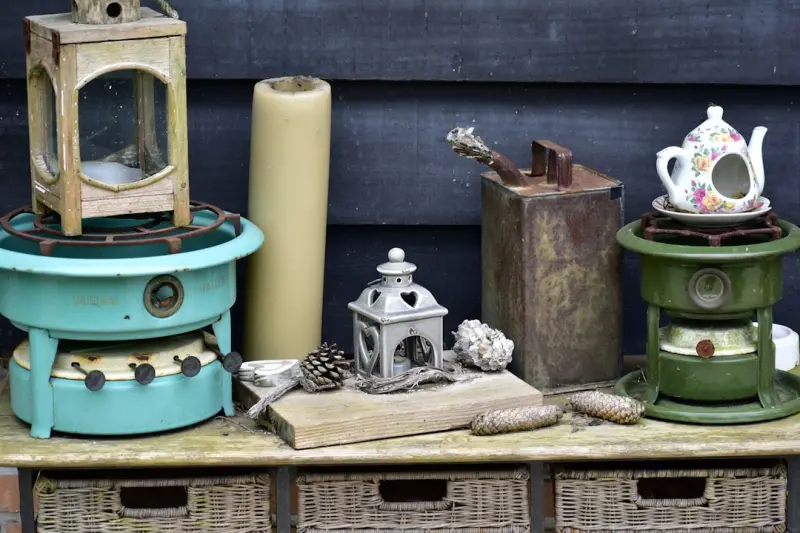
From Trash to Treasure: Upcycling Everyday Items into Garden Art and Function
Learn practical, budget‑friendly ways to turn discarded objects into beautiful, functional garden features, from DIY water installations to upcycled porch mak...Read More
Why Micro‑Internships Are Redefining Talent Acquisition
Micro‑internships replace traditional, long‑term internships with short, outcome‑focused projects, delivering real performance data, enhancing diversity, ...Read More
0 Comments
Post Comment
You will need to Login or Register to comment on this post!