

When I first stumbled onto a YouTube tutorial titled “5‑Minute Self‑Massage for Office Workers,” I was skeptical. My day is already a juggling act of meetings, emails, and the occasional sprint to the coffee machine. Yet, the promise of a quick, equipment‑free way to reset my body and mind felt oddly compelling. A few minutes later, my shoulders felt looser, my mind clearer, and I realized I had uncovered a surprisingly potent personal‑care tool that most of us overlook: the intentional art of self‑massage.
The Science Behind Touch
Touch isn’t just a pleasant sensation—it’s a physiological catalyst. When we apply gentle pressure to muscles and connective tissue, mechanoreceptors in the skin send signals to the brain that trigger the release of oxytocin, dopamine, and endorphins. These “feel‑good” chemicals help lower cortisol, the stress hormone that loves to hijack our focus and energy levels. In addition, manual pressure stimulates blood flow, delivering oxygen and nutrients to fatigued muscles while whisking away metabolic waste. The net result? A calmer mind, a more relaxed body, and a subtle boost to our immune response.
Why Self‑Massage Beats a Spa (and Saves You Time)
Professional massages are wonderful, but they require appointments, travel, and a budget that not everyone can spare. Self‑massage puts the power back in your hands—literally. It offers:
- Convenience: No need to schedule ahead; you can pause for a minute between Zoom calls.
- Customization: You know which spots feel tight; you can focus precisely where you need relief.
- Cost‑effectiveness: All you need is your own fingertips (or a simple tool like a tennis ball).
And because you control the pressure, you can start gentle and increase intensity as your muscles warm up, reducing the risk of over‑pressurizing sensitive areas.
Getting Started: The Basics of a 5‑Minute Routine
Below is a quick routine I use daily. It takes less than five minutes and can be done at a desk, in a living room, or even while waiting for your laundry cycle to finish. All you need is a comfortable chair and, optionally, a small massage ball.
1. Neck & Upper Traps
Sit upright, shoulders relaxed. Use your right hand to gently press the base of your skull, sliding down toward your shoulder. Apply a circular motion, spending about 30 seconds per side. This releases the common “tech‑neck” tension that builds from staring at screens.
2. Shoulder Blade Glide
Place your left hand on the top of your right shoulder, fingers pointing toward the spine. With your right hand, locate the ridge of the shoulder blade (scapula) and apply gentle pressure, moving outward toward the armpit. Repeat for the opposite side. This maneuver helps open the chest, encouraging better posture—a subtle but powerful personal‑care upgrade for anyone who spends hours hunched over a laptop.
3. Forearm Release
Our forearms bear the brunt of repetitive mouse clicks and typing. Extend your right arm, palm up. With your left thumb, press firmly into the flesh just below the wrist, moving toward the elbow. Switch hands after a minute. This not only eases tension but also improves circulation, reducing the “pins and needles” sensation that sometimes creeps in after long typing sessions.
4. Hand & Finger Stretch
Clench your fists gently, then release, spreading your fingers wide. Use the opposite hand to pull each finger back slightly, holding for a few seconds. This simple exercise can alleviate the stiffness that accumulates from endless scrolling.
5. Lower Back Soothe (Desk‑Friendly Version)
While seated, place a small massage ball or rolled‑up sock behind your lower back, just above the hips. Lean back gently, allowing the ball to press into the muscles on either side of the spine. Breathe deeply for 30 seconds, then roll the ball slightly left and right. This low‑impact technique mimics the deep‑tissue pressure you’d get from a professional therapist, without ever leaving your chair.
Integrating Self‑Massage Into Your Daily Rhythm
Consistency is key. I’ve found that pairing self‑massage with other micro‑habits creates a cascade of benefits. For instance, after a brief 5‑minute session, I take a minute to practice micro‑journaling, jotting down three things I’m grateful for. The combination of physical release and mental reset amplifies my focus for the next block of work.
Another tip: use your self‑massage as a transition ritual. When you finish a meeting, instead of diving straight into the next task, spend a few moments massaging your neck and shoulders. This simple pause signals to your brain that it’s time to shift gears, reducing cognitive overload.
Tools of the Trade (When You Want a Little Extra)
While your hands are the most accessible tool, a few inexpensive items can enhance the experience:
- Foam rollers: Great for larger muscle groups like the back and thighs.
- Massage balls: Ideal for pinpoint pressure on tight spots, especially on the feet and shoulders.
- Heat packs: Applying gentle heat before a session can increase tissue pliability, making the massage more effective.
Remember, the goal isn’t to create a spa‑like environment—though you’re welcome to light a candle if that helps you relax—but to incorporate touch in a way that feels natural and sustainable.
Self‑Massage as Part of a Holistic Personal‑Care Ecosystem
Self‑massage doesn’t exist in a vacuum. It works best when paired with complementary personal‑care practices. For example, the layered sensory care approach I’ve been championing suggests stacking simple sensory experiences—like aromatic oils, soft lighting, and gentle soundscapes—to create an environment that nurtures both body and mind. Adding a brief self‑massage into this sensory stack can deepen the sense of relaxation and presence.
Consider also your grooming routine. While the article on bio‑smart grooming explores high‑tech solutions, you can bring a human touch (pun intended) by incorporating a brief neck massage before applying a moisturizer or shaving cream. The increased circulation helps the product absorb more efficiently, giving you better results with less effort.
Addressing Common Concerns
“Will I hurt myself?” Not if you stay within a comfortable pressure range. Think of it as a conversation with your body—listen for feedback. If a spot feels sore rather than relieved, lighten the touch.
“I don’t have time.” The beauty of this practice is its scalability. Even a single minute of focused pressure can produce noticeable relief. It’s not about carving out a large block of time; it’s about sprinkling micro‑moments throughout the day.
“I have a medical condition.” If you have chronic pain, injuries, or circulatory issues, consult a healthcare professional before starting any self‑massage routine. In many cases, a therapist can guide you on safe techniques tailored to your needs.
Beyond the Body: The Emotional Ripple Effect
Touch is a primal form of communication. When you intentionally massage yourself, you’re sending a message of self‑compassion. This act can translate into greater emotional resilience. Over time, you may notice reduced irritability, improved patience with colleagues, and a heightened ability to stay present during conversations.
In my own experience, a quick neck release before a challenging client call has turned what could be a tense interaction into a more collaborative dialogue. The subtle shift in my nervous system makes me more attuned to the other person’s tone, fostering a smoother exchange.
Creating Your Personal‑Care Sanctuary Anywhere
One of the most empowering aspects of self‑massage is its portability. Whether you’re working from a coworking space, traveling for a conference, or simply navigating a busy home office, you can transform any chair into a mini‑sanctuary. A few tips for making this happen:
- Keep a small massage ball in your bag. It’s lightweight and fits into a laptop sleeve.
- Use a portable diffuser or a few drops of essential oil on a handkerchief. Pairing scent with touch deepens relaxation.
- Set a silent alarm. A gentle reminder every few hours can prompt you to pause and reconnect with your body.
Measuring Success: How to Tell If It’s Working
Personal‑care outcomes can be subtle, but there are tangible signs to watch for:
- Reduced muscle stiffness: Noticeably less tightness after a day of sitting.
- Improved focus: Shorter periods of brain fog after a brief massage break.
- Better sleep: A relaxed nervous system often translates into deeper, more restorative sleep.
- Elevated mood: A quick endorphin boost can make you feel lighter and more optimistic.
If you’re tracking these markers, you’ll likely see a positive trend within a couple of weeks of consistent practice.
Final Thoughts: Make Touch a Priority, Not an Afterthought
In a world that constantly tells us to hustle, prioritize output, and chase the next deadline, the simple act of pressing your fingertips into your own skin can feel revolutionary. It’s a reminder that caring for ourselves isn’t a luxury; it’s a necessity that fuels our professional and personal performance.
So next time you feel that familiar knot in your shoulders or that creeping tension behind your ears, pause. Take a breath, locate the spot, and give it the gentle attention it deserves. You might just find that this tiny, intentional act becomes the cornerstone of a more balanced, resilient you.

Karen Edwards is a seasoned freelance writer with a passion for all things furry, feathered, and scaled. With a dedicated focus on pets, she brings a wealth of knowledge and a keen eye for detail to her writing.
Related Posts

Nurturing Your Skin Microbiome: A Fresh Take on Personal Care
Explore a microbiome‑focused approach to personal care, learning gentle cleansing, probiotic nutri... Read More

Transform Your Shower into a Mindful Self‑Care Sanctuary
Learn to reshape your daily shower into a purposeful self‑care ritual, using temperature, aroma, b... Read More
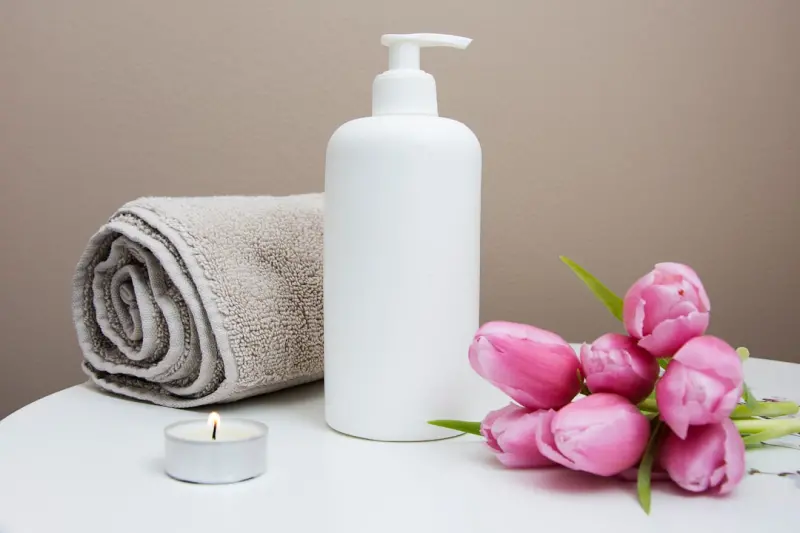
The Secret Life of Your Skin’s Microbiome: A Personal Care Revolution
Explore how the skin’s hidden ecosystem of microbes can be supported through gentle cleansing, pro... Read More
Top Posts
Generative AI as a Catalyst for Inclusive Decision‑Making
Discover how generative AI can serve as a transparent moderator, surfacing under‑represented viewpoints and fostering inclusive decision‑making in distribut...Read More
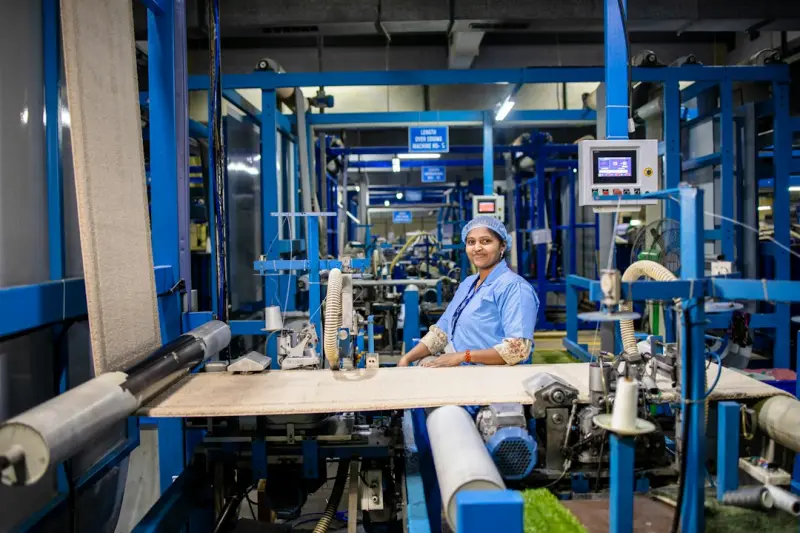
When Machines Meet Sustainability: AI’s Role in Building a Circular Future
AI is shifting from speed‑focused automation to a catalyst for sustainable innovation, enabling circular product design, greener supply chains, and ethical au...Read More

Turning Employees into Innovation Engines: A Playbook for Sustainable Growth
A three‑phase framework shows how companies can embed discovery into daily work, give teams the right tech, and reward learning, turning employees into a perp...Read More

The Power of Narrative Breathing: Turning Everyday Moments into Health Boosters
A fresh take on health: learn a simple three‑step breathing framework that blends rhythm, storytelling, and science to transform everyday stress into calm, fo...Read More
0 Comments
Post Comment
You will need to Login or Register to comment on this post!