
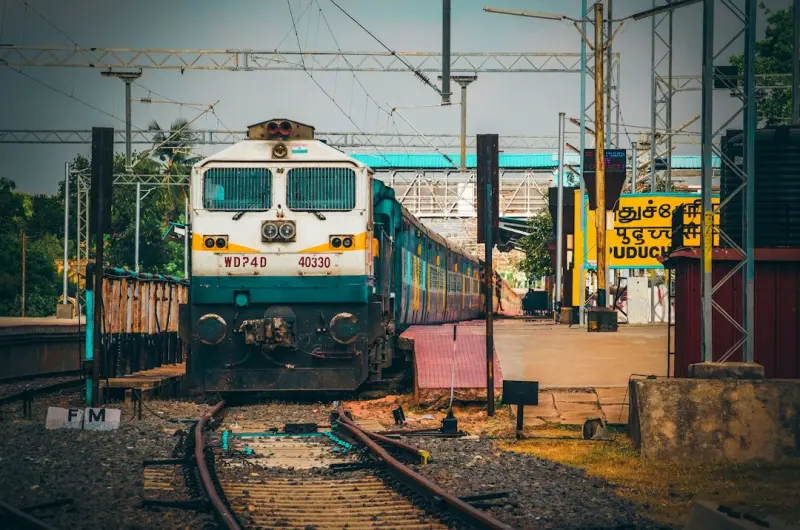
Why Trains Deserve a Second Look
When I first swapped my cramped rental car for a seat in a vintage sleeper, I expected a nostalgic novelty. What I got was a full‑bodied, sensory‑rich experience that turned the journey itself into the destination. The clatter of wheels on rails, the shifting landscape framed by a window, the gentle lull that nudges you toward day‑dreaming—these are the ingredients of a travel ritual that most modern itineraries overlook.
The Train as a Mobile Canvas
Travel writing often glorifies the adrenaline rush of catching a flight or the gritty adventure of a road trip. Yet there’s an understated artistry to moving through space at a pace that lets you actually observe the world. On a train, you become a living sketchbook. You can doodle the outline of a mountain range on the back of a napkin, capture the subtle change in light as the sun kisses a river, or simply let your thoughts wander without the constant ping of notifications.
It’s a chance to practice micro‑moment mindfulness in a setting that feels both public and private. The rhythmic hum creates a natural metronome for breathing, and the occasional pause at a small station invites a brief stroll that feels like a reset button for the mind.
Reframing “Productivity” on Rails
For many professionals, travel is still measured in ROI: how many meetings can I squeeze into a trip, how much work can I finish on the go. That mindset can strip away the joy of moving through new places. I’ve learned to treat the train car as a hybrid coworking space—one that respects the need for focus but also celebrates the inevitable drift into curiosity.
Think of the train as a moving coworking hub where the view is the most inspiring “screen saver.” Pull out a notebook, outline a project, then let the scenery dictate the tone of each paragraph. When the train slows for a countryside halt, let that pause become a brainstorming sprint. It’s a subtle, hybrid business travel mindset that balances deliverables with discovery.
Designing Your Own Railway Ritual
Creating a repeatable, enjoyable train experience doesn’t have to be accidental. Here’s a simple framework I’ve refined over several journeys:
- Pre‑Trip Playlist: Curate a short list of songs that match the anticipated mood of the route—think acoustic folk for rolling hills, ambient electronica for night travel.
- Travel Journal Kit: Pack a pocket‑size notebook, a waterproof pen, and a set of colored pencils. The kit should be light enough to fit in the seat pocket but robust enough for impromptu sketching.
- Snack Strategy: Swap the typical bag of pretzels for locally sourced treats you can buy at a station. The flavors become a narrative thread that ties the journey together.
- Digital Detox Window: Designate at least one hour of your trip to go completely offline. Use this time for sensory observation or a brief meditation—an organic digital nature reset.
The Power of Perspective Shifts
One of the most surprising benefits of train travel is the way it reframes distance. A 400‑kilometer ride that would feel endless by car compresses into a few hours when you’re watching clouds drift past. That compression creates mental space for reflection.
In one of my recent trips from the coast to the mountains, I found myself comparing the rhythmic sway of the carriage to the ebb and flow of ideas in a brainstorming session. The train’s cadence reminded me that creative cycles—starting, pausing, and restarting—are natural, not forced. This insight spilled over into my work, where I began scheduling “swing sessions” that mirror the train’s gentle rocking.
Connecting with Fellow Travelers
Unlike the anonymity of an airplane, train cars often foster a quiet camaraderie. Passengers share tables, exchange stories, and sometimes even collaborate on impromptu projects. I’ve swapped travel tips with a photographer who captured the sunrise over a river valley, and later used one of his photos as the cover image for a client presentation.
These organic connections can turn a solo trip into a network‑building opportunity without the stiffness of a conference. The key is to stay open—offer a genuine smile, ask about the destination, and respect the space of those who prefer solitude.
Embracing the “In‑Between” Moments
Every train route has its own rhythm of stops and starts. Those brief pauses at small stations are perfect for micro‑adventures: a quick walk to a local bakery, a glance at a historic plaque, a brief chat with a station master. These snippets create a mosaic of experiences that feel richer than a single, rushed city visit.
Take advantage of the “in‑between” by planning a few micro‑stops in advance. Look up the towns along the route, note a local specialty, and give yourself permission to explore for ten or fifteen minutes. The result is a deeper sense of place that no guidebook can replicate.
Environmental Upsides You Might Not Know
Beyond the personal benefits, rail travel is one of the most sustainable modes of long‑distance transport. Trains emit significantly fewer greenhouse gases per passenger kilometer than cars or planes. By choosing the train, you’re aligning your wanderlust with a lower carbon footprint—a quiet contribution to the larger conversation about responsible travel.
When you pair that environmental impact with the mental reset offered by the journey, you get a double win: you’re caring for the planet while caring for your own well‑being.
Crafting a Portable Creative Toolkit
To fully leverage the train’s potential, I recommend a portable toolkit that supports both work and play:
- Compact DSLR or Mirrorless Camera: Capture fleeting moments without the bulk of a professional setup.
- Noise‑Canceling Earbuds: Use them for focused work or to enjoy the curated playlist without the background chatter of the carriage.
- Travel‑Friendly Power Bank: Keep your devices alive for longer stretches between station power outlets.
- Foldable Sketch Pad: Ideal for spontaneous doodles when the view inspires you.
This kit ensures you’re ready to document inspiration the moment it strikes, whether that’s a striking cloud formation or a conversation with a fellow traveler.
Case Study: A Week‑Long Rail Expedition Across the Heartland
Here’s a snapshot of a recent itinerary that illustrates the concepts above:
- Day 1 – Departure City: Board a night train with a pre‑packed journal kit and a curated playlist. Sleep in a sleeper berth, waking to sunrise over a river valley.
- Day 2 – First Stop: Disembark for a 30‑minute walk to a historic bakery. Sample a regional pastry, jot down flavor notes, and sketch the bakery’s façade.
- Day 3 – Mid‑Journey Reflection: Spend a dedicated “digital nature reset” hour in the dining car, penning reflections on the landscape’s influence on a current project.
- Day 4 – Collaborative Moment: Engage with a fellow passenger—a graphic designer—who shares insights on visual storytelling. Exchange contact info for future collaboration.
- Day 5 – Arrival: Arrive at the final destination feeling refreshed, with a notebook full of sketches, ideas, and a renewed sense of creative momentum.
By the end of the trip, I’d produced a concept board for a client campaign that incorporated the colors, textures, and moods observed during the journey. The board was not only visually compelling but also infused with a narrative depth that resonated with stakeholders.
Tips for First‑Time Rail Travelers
If you’re new to train travel, consider these practical pointers:
- Reserve Early: Popular routes fill up fast, especially for sleeper cabins.
- Pack Light, Pack Smart: A well‑organized carry‑on with compartments for your kit makes transitions smoother.
- Know the Schedule: Keep a printed copy of the timetable; apps can be handy, but a paper backup avoids missed connections.
- Stay Flexible: Embrace the occasional delay as an opportunity for extra observation or journaling.
Conclusion: Turn the Train Into Your Personal Retreat
In a world that constantly pushes us to move faster, the train offers a graceful counterpoint—a moving sanctuary where work, creativity, and mindfulness can coexist. By approaching rail travel as a deliberate ritual rather than a mere means of transportation, you unlock a well of inspiration that can fuel both personal growth and professional success. So next time you plan a trip, consider swapping the jet‑lag for the gentle sway of a carriage, and watch how the journey reshapes the destination.

Miranda Murphy: Experienced freelance writer with a decade of storytelling expertise. Let's create something amazing together!
Related Posts

Microadventure Mastery: Turning Short Breaks into Epic Stories
Learn to craft microadventures that transform everyday moments into epic stories, using simple plann... Read More

Sensory Immersion Travel: Designing Trips That Speak to Your Senses
Travel isn’t just about places—it’s about the full-body sensations that shape memory. Learn ho... Read More
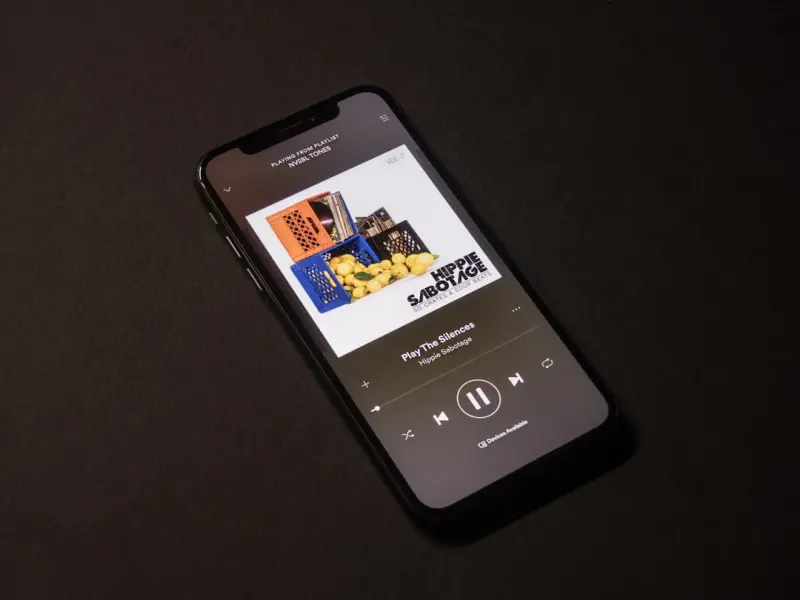
Soundtracking Your Journey: How Curated Playlists Transform Travel
A travel playlist can do more than fill silence—it shapes emotions, anchors memories, and deepens ... Read More
Top Posts
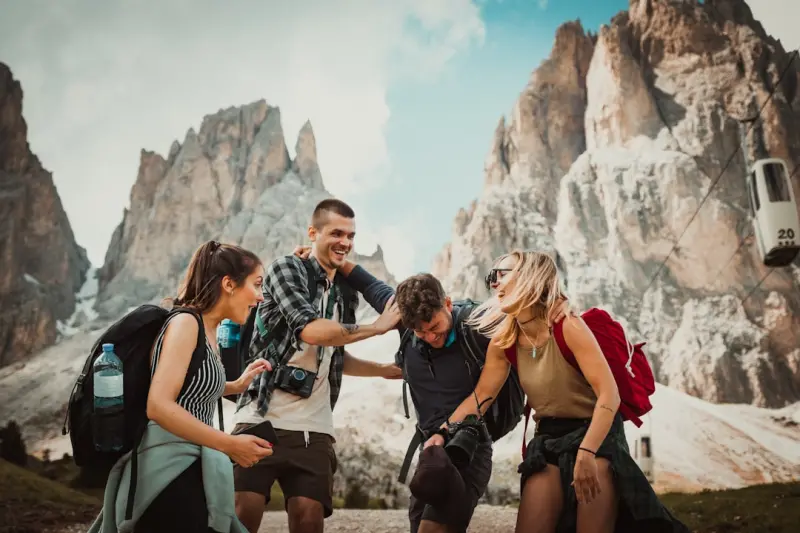
Pocket‑Sized Adventures: How Tiny Towns Deliver Big Experiences
Explore the rise of pocket‑sized travel, where tiny towns offer authentic experiences, deeper connections, and sustainable benefits—plus practical tips for ...Read More

Laughter as Medicine: Boosting Heart Health and Mood
Explore the science behind laughter’s impact on heart health and stress reduction, and learn practical ways to weave genuine humor into a busy workday for las...Read More

Unlocking the Skin Microbiome: A New Frontier in Personal Care
A deep dive into the skin microbiome reveals how nurturing our skin’s native microbes can transform personal care, offering science‑backed routines, wearabl...Read More

Nurturing Your Skin’s Microbiome: A Practical Guide to Micro‑Friendly Personal Care
A deep dive into the world of skin microbes reveals simple, sustainable habits—from low‑pH cleansing to probiotic serums—that can transform your personal ...Read More
0 Comments
Post Comment
You will need to Login or Register to comment on this post!