
Why Silence Matters: Turning Your Home into a Sound‑Smart Sanctuary
When I first moved into my city‑side apartment, the most persistent visitor wasn’t a person—it was the echo of traffic, the clatter of the subway, and the hum of the neighbor’s blender at odd hours. I quickly realized that a truly comfortable home isn’t just about visual aesthetics; it’s also about the soundscape that surrounds us. A quiet, well‑balanced acoustic environment can boost focus, improve sleep, and even lower stress hormones. In this guide I’ll walk you through practical, budget‑friendly steps to tame unwanted noise, create acoustic pockets, and cultivate a calmer everyday life.
1. Diagnose Your Home’s Acoustic Profile
Before you start hanging acoustic panels or swapping out flooring, spend a weekend listening. Walk from room to room with the windows closed and note where sound feels “hard” (lots of echo) versus “soft” (muffled). Typical culprits include:
- Hard surfaces: bare concrete walls, tile floors, and glass doors.
- Open floor plans: fewer barriers for sound to travel.
- External sources: street traffic, nearby construction, or communal building systems.
Jot these observations down; they’ll become your roadmap for targeted interventions.
2. Layer Softness with Textiles
The easiest way to absorb sound is to add soft, porous materials. Think of your home as a layered cake—each textile layer adds a new degree of sound dampening.
- Rugs and Mats: A thick, low‑pile rug in the living room can cut floor‑borne echo by up to 30 %. If you have hardwood, place a felt underlay before the rug for extra absorption.
- Curtains: Heavy, lined curtains act like acoustic blankets for windows. Even on sunny days, close them at night to block street noise.
- Upholstered Furniture: Sofas and armchairs with plush cushions naturally soak up mid‑range frequencies.
- Throw Pillows & Blankets: Strategically place them against bare walls for a quick fix.
If you’re short on budget, repurpose old sweaters or blankets as makeshift acoustic panels—just staple them to a wooden board and hang them on the wall.
3. DIY Acoustic Panels Without Breaking the Bank
Commercial acoustic panels can be pricey, but you can craft effective alternatives with everyday items. Here’s a step‑by‑step recipe:
- Gather a wooden frame (1 × 1 ft works well) and some high‑density insulation foam or recycled denim batting.
- Cover the foam with breathable fabric—choose a pattern you love; it will become a decorative piece.
- Mount the panel at the first reflection point (usually halfway between a speaker and the opposite wall) to tame echo.
For a visual cue on where to place panels, check out this budget-friendly energy hacks article, which includes a handy room‑by‑room diagram you can adapt for acoustic placement.
4. Seal Gaps and Cracks—The Unsung Heroes
Sound travels through the tiniest openings. Weatherstripping doors, applying acoustic caulk around windows, and sealing baseboard gaps can cut intrusive noise dramatically. A simple silicone sealant around window frames can reduce external traffic noise by 5‑10 dB—noticeable without any fancy tech.
5. Leverage Soft Flooring Options
If you’re planning a renovation, consider soft flooring materials:
- Cork: Naturally porous, cork absorbs sound and feels warm underfoot.
- Luxury Vinyl Plank (LVP) with Underlay: Modern LVP mimics wood but, paired with a sound‑absorbing underlay, it offers superior acoustic performance.
- Carpet Tiles: Easy to replace piece by piece if a spot gets stained.
Even a simple rug can become a game‑changer when paired with a thin rubber underlayment.
6. Create Quiet Zones with Bookcases and Plants
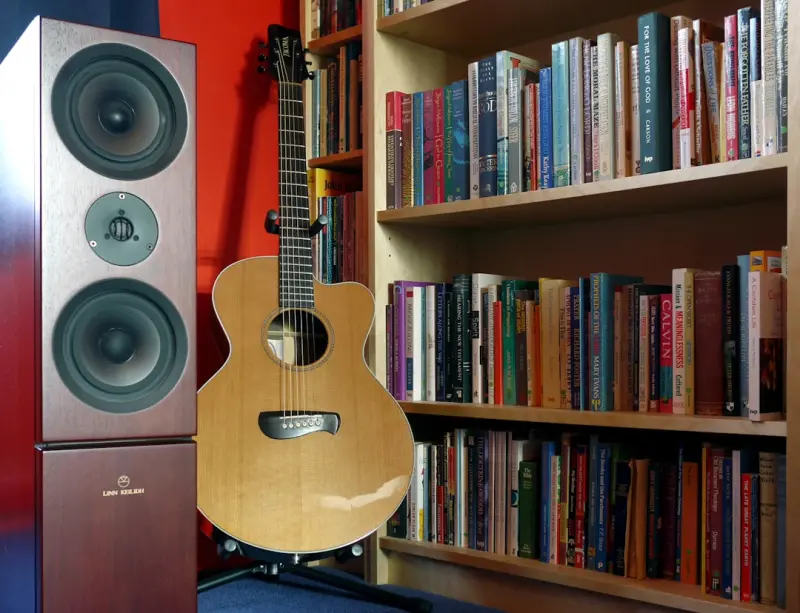
Mass and foliage are natural sound absorbers. Position a fully stocked bookcase against a noisy wall; the books act like a dense, irregular surface that diffuses sound waves. Add tall indoor plants—such as the fiddle leaf fig or rubber plant—to further soften ambient noise. The leaves and soil trap mid‑range frequencies, turning a bustling hallway into a tranquil corridor.
7. White Noise and Sound Masking
When you can’t eliminate all external sounds, introduce a soothing background hum. White noise machines, fans, or even a low‑volume aquarium can mask disruptive noises. For a tech‑savvy twist, try a smart speaker that streams gentle rain or forest sounds on a schedule—perfect for bedtime routines.
8. Optimize Your Bedroom for Sleep
Sleep is especially vulnerable to noise. Here’s a quick checklist for a sleep‑friendly sanctuary:
- Use blackout curtains with acoustic lining.
- Place a thick rug beside the bed to muffle floor vibrations.
- Consider a headboard made of upholstered fabric instead of a hard wood panel.
- Set a low‑volume white noise machine about a foot from the bed.
If you’re curious about holistic home wellness, you might enjoy reading How to Transform Your Laundry Room into a Stress‑Free Sanctuary, which explores creating calm zones throughout the home.
9. Smart Home Integration for Acoustic Control
Modern smart hubs let you automate acoustic environments. With a few simple routines, you can:
- Dim lights and lower smart speaker volume at bedtime.
- Trigger a “Quiet Mode” that closes motorized curtains, activates the white noise machine, and adjusts thermostat for optimal sleep temperature.
- Receive alerts when exterior noise exceeds a preset decibel level, prompting you to close windows.
These automations not only improve tranquility but also help you track patterns—so you can see which days are naturally louder and plan work or relaxation accordingly.
10. Long‑Term Strategies: Architectural Adjustments
If you own the property or are undertaking a major remodel, consider these structural upgrades:
- Double‑Glazed Windows: They reduce external noise by 30‑50 % compared to single panes.
- Acoustic Drywall: Adding a layer of sound‑blocking drywall (often with a viscoelastic polymer) can significantly reduce transmission between rooms.
- Decoupled Walls: Building staggered stud walls creates an air gap that disrupts sound pathways.
- Floating Floors: Installing a subfloor with resilient clips isolates impact noise from the building’s structure.
While these are higher‑cost solutions, they pay dividends in property value and daily comfort.
Putting It All Together: A Sample Weekend Project
To illustrate how these ideas interlock, here’s a realistic weekend plan for a one‑bedroom apartment:
- Saturday Morning: Walk through each room, note echo spots, and measure noise sources.
- Saturday Afternoon: Install weatherstripping on doors, seal window frames, and hang two DIY acoustic panels in the living area.
- Saturday Evening: Lay a thick rug with an underlay in the bedroom, swap the standard curtains for heavy, lined ones.
- Sunday Morning: Rearrange the bookcase against the noisy hallway wall, add three large indoor plants.
- Sunday Afternoon: Set up a smart speaker routine for “Quiet Mode,” test white noise settings, and enjoy a noise‑free lunch.
By the end of the weekend, you’ll likely notice a palpable reduction in reverberation and an overall sense of calm.
Conclusion: The Sound of Home Is a Choice
Acoustic comfort isn’t a luxury reserved for high‑end studios; it’s an achievable, incremental process that anyone can start today. By listening, layering softness, sealing gaps, and leveraging smart tech, you can transform any space—big or small—into a serene haven. Remember, the goal isn’t silence, but a balanced soundscape that supports focus, relaxation, and restful sleep. Start small, measure the impact, and let the quiet become a signature feature of your home.

Mei Chen is a dynamic professional who brings a unique blend of skills to Blogging Fusion. As a key contributor to the Blogging Fusion platform, she leverages her writing expertise to create engaging content that resonates with our audience.
Related Posts

Turn Your Home into a Stress‑Free Sanctuary with Simple Tweaks
A guide to low‑effort, high‑impact home improvements—from decluttering entryways to creating m... Read More

The Art of Invisible Storage: Clever Ways to Hide Clutter in Every Room
Learn how to create a calm, clutter‑free home using invisible storage techniques. From pull‑out ... Read More

Turning Your Home into a Sensory Sanctuary: Small Tweaks, Big Comfort
Explore how subtle changes in texture, aroma, lighting, and sound can turn any space into a soothing... Read More
Top Posts

Sound Healing: Tuning Your Body for Modern Wellness
Jessica Gills shares how integrating binaural beats, nature ambiences, and smart‑speaker routines into daily life can transform stress into calm, boost focus,...Read More

AI‑First Product Management: The Competitive Edge for SaaS Leaders
AI‑first product management transforms gut‑feel decisions into data‑driven roadmaps, leveraging predictive models, scenario simulation, and continuous fee...Read More

Travel as a Living Innovation Lab
Explore how to transform every journey into a portable innovation lab, using curiosity, AI tools, and intentional learning stops to blend travel with profession...Read More

Savoring the Journey: A Sensory Approach to Modern Travel
A fresh look at travel that invites readers to engage all five senses, turning ordinary trips into unforgettable experiences....Read More
0 Comments
Post Comment
You will need to Login or Register to comment on this post!