
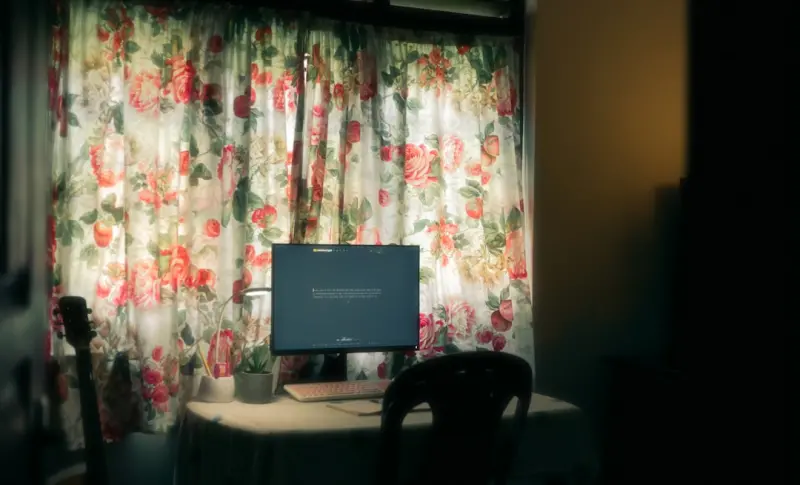
Why Tiny Movement Rituals Are the Missing Piece in Desk‑Day Wellness
When I first swapped a bustling office for a home office, the excitement of ditching the commute was quickly tempered by a subtle ache in my back and a lingering sense of fatigue that no extra cup of coffee could shake. I realized that my body was silently protesting the hours spent glued to a chair, while my mind was still buzzing with the same “always‑on” mental chatter. The solution didn’t come from a fancy standing desk or a pricey ergonomic chair—it arrived in the form of tiny, intentional movement rituals woven throughout the workday. These micro‑habits are low‑effort, high‑impact actions that keep muscles supple, circulation flowing, and energy levels steady, without demanding a massive time commitment.
The Science Behind Micro‑Movements
Our bodies are built for motion. Even brief bouts of activity trigger a cascade of physiological responses: increased blood flow delivers oxygen and nutrients to muscles, joints receive synovial fluid that lubricates movement, and the nervous system gets a gentle reset that reduces stress hormones. Research shows that as little as two minutes of light activity every hour can offset the metabolic slowdown that occurs during prolonged sitting. Over a typical eight‑hour day, these pocket‑sized pauses add up to a significant health boost, improving posture, reducing the risk of chronic pain, and even sharpening mental clarity.
Designing Your Personal Movement Blueprint
The first step is to map out your natural workflow. Identify the moments when you naturally pause—perhaps after a video call, before checking email, or during a quick mental break. Then, assign a specific micro‑movement to each cue. The goal isn’t to create a rigid schedule but to embed a habit loop that feels almost reflexive. Below is a starter template you can customize:
- Post‑Call Stretch: Stand, roll your shoulders back, and reach overhead for 30 seconds.
- Screen‑Glance Pivot: Every time you glance away from your monitor, do a set of ankle circles for 20 seconds.
- Keyboard Reset: Before typing a new paragraph, perform a seated cat‑cow stretch for one minute.
- Water‑Break Walk: Use the trip to the kitchen as a chance to do a quick hallway march—lift knees high for 45 seconds.
Movement Rituals for the Upper Body
The upper back and neck are the first to protest after hours of hunching over a laptop. Simple rituals can release tension and promote better posture. Try the Desk‑Side Shoulder Roll: sit tall, lift both shoulders toward your ears, then roll them back and down in a smooth circle. Perform three rolls forward and three backward. Follow this with a Seated Chest Opener: clasp your hands behind your lower back, squeeze shoulder blades together, and lift your chest for 20 seconds. These moves counteract the forward‑leaning posture many of us adopt unintentionally.
Revitalizing the Lower Body Without Leaving Your Chair
Even if you don’t have space for a full‑length stretch, your legs can stay active. The Seated Leg Extension is a discreet way to engage the quadriceps: straighten one leg, hold for a count of three, then lower slowly. Alternate legs for a minute. Pair this with Heel‑to‑Toe Rockers: rock your weight from heels to toes, stimulating calf muscles and improving circulation. These micro‑exercises keep the blood moving, reducing the “pins and needles” sensation that often follows long sitting sessions.
Integrating Breath and Movement for a Full‑Body Reset
Movement paired with intentional breathing amplifies the calming effect. As you perform a stretch, inhale deeply through the nose, expanding your diaphragm, then exhale slowly through the mouth as you release the tension. This breath‑movement synergy not only oxygenates muscles but also activates the parasympathetic nervous system, lowering heart rate and promoting a sense of calm. It’s a perfect bridge between the physical and mental realms of health.
Leveraging Your Environment: Light, Aroma, and Rhythm
While the focus here is on movement, the surrounding environment can enhance the efficacy of your rituals. Soft, warm lighting in the late afternoon can signal your body that it’s time to wind down, making post‑movement stretches feel more restorative. For a gentle cue, consider light tricks for better sleep that align with your movement breaks. Additionally, a subtle scent—like lavender or eucalyptus—can deepen relaxation after a series of micro‑exercises. Discover how aroma shapes focus and calm in the aroma for relaxation guide.
Micro‑Movement Meets Technology
Many of us rely on digital tools to stay organized; why not let them remind us to move? Set recurring calendar alerts labeled with a friendly prompt, such as “Stand & Stretch.” Some smart watches now offer gentle haptic reminders after a period of inactivity. If you prefer a visual cue, place a small post‑it on your monitor that reads “Move” and switch it out each day with a new micro‑movement suggestion. The key is to keep the prompts subtle yet consistent, so they become a natural part of your workflow.
Addressing Common Barriers
It’s easy to dismiss micro‑movements as “not enough” when you crave a full workout. However, the cumulative effect of these short bursts rivals that of a longer session spread over the week. Another hurdle is the perceived lack of time. Remember, each ritual lasts under two minutes—an amount you could spend scrolling social media. By re‑framing these moments as “productive health pauses,” you’ll find them more valuable. Finally, for those who feel self‑conscious performing stretches in shared spaces, most of these moves are discreet and can be done behind a laptop or even while standing at a standing desk.
Tracking Progress and Staying Motivated
Just as you might track project milestones, consider logging your movement rituals. A simple spreadsheet with columns for date, time, and type of micro‑movement can reveal patterns and highlight consistency. Celebrate small wins—completing a full day of uninterrupted movement rituals deserves a mental high‑five. Over weeks, you may notice reduced back pain, steadier energy, and even improved focus during deep work sessions.
Beyond the Desk: Extending Rituals Into Daily Life
The beauty of these tiny habits is their portability. When you step out for a quick errand or attend a virtual meeting on the go, you can still integrate the same principles: a brief hallway stretch, a set of calf raises while waiting for coffee, or a mindful breathing cycle before boarding a train. By weaving movement into various contexts, you build a resilient health habit that transcends the office environment.
Case Study: From Slouch to Suppleness
One client of mine, a senior product manager, reported chronic neck tension after months of remote work. She began incorporating a Desk‑Side Neck Release—gently tilting her head toward each shoulder while inhaling, then exhaling as she returns to neutral. Paired with the Seated Cat‑Cow stretch, she performed these moves every hour. Within three weeks, her pain subsided, and she reported higher concentration during strategy meetings. This anecdote underscores how modest, consistent actions can yield tangible health dividends.
Integrating Nutrition for Maximum Impact
Movement and nutrition are partners in the wellness equation. Pair your micro‑movement breaks with hydration and a light snack rich in protein and healthy fats—think a handful of almonds or a Greek yogurt. This combination stabilizes blood sugar, fuels muscles, and supports cognitive function. While this post focuses on movement, remember that a holistic approach to health also includes mindful eating, adequate sleep, and stress management.
Future‑Proofing Your Health Routine
As remote and hybrid work models become the norm, the need for adaptable, low‑maintenance health practices grows. Tiny movement rituals offer a scalable solution that can evolve with your career stage, workspace, and personal preferences. Whether you’re a junior analyst or a C‑suite executive, these habits respect the constraints of a busy schedule while delivering measurable health benefits.
Take the First Step Today
Begin by choosing one micro‑movement to anchor to a daily cue—perhaps the moment you finish your morning coffee. Commit to it for a week, observe how your body feels, and then add a second ritual. Over time, you’ll have curated a personalized suite of movement habits that keep you agile, energized, and ready to tackle any professional challenge.

Lauren Miller is a true outdoors enthusiast who has found her passion in the trades. When she's not working hard on the job, you can find her writing, camping, fishing, and exploring all that nature has to offer. A dedicated partner to her wife Beth, Lauren loves nothing more than spending quality time together and experiencing the great outdoors side by side.
Related Posts
Harnessing Breath: How Wearable Biofeedback Can Rewire Your Stress Response
Learn how wearable biofeedback transforms ordinary breathing into a powerful tool for stress reducti... Read More
Nourish Your Brain: Food, Rhythm, and Micro‑Habits for Sustainable Energy
A deep dive into neuro‑nutrition reveals the perfect blend of macronutrients, micronutrients, and ... Read More

Strategic Napping: The Underrated Power Move for Modern Professionals
A brief, well‑timed nap aligns with our natural circadian dip, offering a science‑backed boost i... Read More
Top Posts
Creating a Cozy Home Office: Tips for Remote Workers
Learn how to create a cozy home office that supports your success as a remote worker. Get tips on designing a comfortable and productive workspace....Read More

Smart Water and Air Hacks for a Healthier Home
A practical guide to reducing water use, improving indoor air quality, and designing focus‑friendly spaces—all with affordable, everyday tweaks that transfo...Read More

Seasonal Front‑Yard Makeover: Plant Boxes, Solar Light & Instagram‑Ready Backdrops
Transform your front yard into a year‑round showcase with rotating plant boxes, solar‑powered illumination, and stylish backdrops that boost curb appeal and...Read More
Peer Learning Pods: The Secret Weapon for Modern Career Growth
Peer learning pods—small, voluntary groups focused on shared curiosity—are redefining career growth. This article explores why traditional L&D falls short, ...Read More
0 Comments
Post Comment
You will need to Login or Register to comment on this post!