

The Quiet Revolution: Peer Coaching Networks That Transform Remote Work
When I first stepped into the world of distributed teams, I expected the usual challenges: time‑zone juggling, misaligned expectations, and the occasional feeling of isolation. What I didn’t anticipate was the untapped potential sitting right next to every employee’s screen—a network of peer coaches ready to accelerate growth, deepen engagement, and rebuild the social fabric of work. This isn’t a buzzword trend; it’s a practical, low‑cost system that any organization can deploy, and the results speak louder than any corporate slogan.
Why Traditional Training Falls Short
Most companies invest heavily in top‑down learning: formal courses, LMS platforms, and occasional workshops. Those mechanisms are valuable, but they often miss two critical ingredients:
- Contextual relevance. A one‑size‑fits‑all curriculum can’t address the nuances of a specific project or team dynamic.
- Human connection. Learning is a social activity. Without a trusted peer to bounce ideas off, knowledge stays theoretical.
In a remote environment, the “water cooler” conversation evaporates, and with it, the spontaneous mentorship that used to happen organically in office hallways. That vacuum creates an opportunity for a structured peer coaching system to step in.
What Exactly Is Peer Coaching?
Peer coaching is a mutually agreed‑upon partnership where two (or a small group of) colleagues meet regularly to discuss goals, challenges, and progress. Unlike a manager‑direct report relationship, peer coaching is:
- Non‑hierarchical. Both participants bring equal weight to the conversation.
- Goal‑oriented. Sessions revolve around concrete outcomes, not just casual check‑ins.
- Iterative. The relationship evolves as each person’s needs shift.
The beauty lies in its simplicity: a 30‑minute video call every two weeks, a shared note‑taking space, and a commitment to honest feedback. Yet, when executed consistently, the ripple effect on performance and morale is profound.
Designing a Scalable Peer Coaching Program
Below is a step‑by‑step blueprint that has worked for teams of 50 to 5,000 members. Feel free to adapt it to your organization’s culture.
1. Map Skill Gaps and Aspirations
Start with a lightweight survey asking employees to self‑rate key competencies (technical, communication, leadership) and indicate what they’d like to improve. Combine this data with the distributed team trust metrics you already collect. The result is a matrix that highlights natural mentorship pairings.
2. Create Self‑Selection Pods
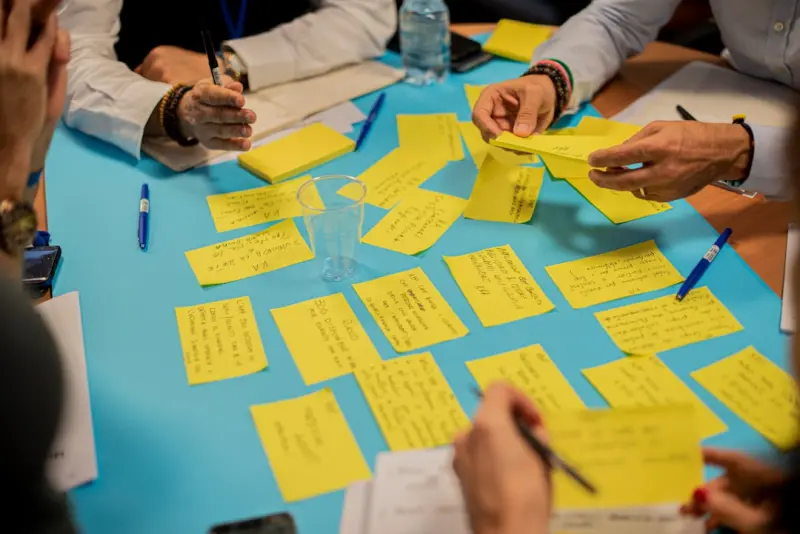
Rather than assigning coaches from the top down, invite employees to form “pods” of three to five members based on shared interests. This approach respects autonomy and mirrors the organic formation of learning circles seen in many high‑performing remote companies.
3. Set Clear Cadence and Structure
Each pod agrees on a recurring meeting schedule (e.g., every other Tuesday at 10 am UTC). A simple agenda keeps sessions focused:
- Quick wins since the last meeting
- One challenge each participant is facing
- Brainstorming & feedback
- Action items and accountability check‑in
4. Equip Pods With Collaboration Tools
Designate a shared workspace—Google Docs, Notion, or a dedicated channel in your communication platform—where notes, resources, and follow‑ups live. Consistency in documentation builds a knowledge repository that can be referenced later by other teams.
5. Measure Impact With Both Quantitative and Qualitative Signals
Track metrics such as:
- Employee Net Promoter Score (eNPS) shifts
- Retention rates of participants vs. non‑participants
- Skill progression (self‑assessments before and after 6‑month cycles)
- Sentiment analysis of pod discussion notes
Combine these data points with the insights from living contracts to see how coaching aligns with evolving role expectations.
Real‑World Success Stories
Let me share two anonymized case studies that illustrate the transformative power of peer coaching.
Case Study A: A SaaS Startup Reduces Onboarding Time by 30%
A fast‑growing SaaS startup struggled with onboarding new engineers who felt “lost in the codebase.” By pairing each newcomer with a peer coach from a different functional area (e.g., product, design), the company created cross‑disciplinary bridges. Within three months, onboarding surveys showed a 30 % reduction in time to first commit, and the new hires reported higher confidence and belonging.
Case Study B: A Global Marketing Agency Boosts Creativity Scores
An agency with 200 remote creatives introduced “Idea Labs,” small peer coaching groups focused on brainstorming and critique. Over six months, the agency’s internal creativity metric (based on client feedback) rose 18 %, while churn dropped 12 %. Participants credited the regular, safe space for honest feedback as the catalyst for their breakthroughs.
Addressing Common Concerns
Implementing peer coaching inevitably raises questions. Below are the most frequent objections and pragmatic responses.
“We don’t have time for extra meetings.”
Coaching sessions are intentionally brief—30 minutes, twice a month. When framed as a productivity investment, most employees find they actually save time by resolving roadblocks faster.
“What if the coach isn’t qualified?”
The peer coaching model thrives on diversity of experience, not formal expertise. The focus is on asking good questions, active listening, and offering perspective—not on delivering technical instruction. Over time, participants naturally gravitate toward peers whose strengths complement their gaps.
“Will this replace managers?”
Never. Peer coaching supplements, rather than supplants, managerial responsibility. Managers still own performance reviews, strategic alignment, and resource allocation. Coaches simply provide a complementary feedback loop that can surface issues earlier.
Integrating Peer Coaching With Existing HR Initiatives
To maximize ROI, weave peer coaching into the broader talent strategy:
- Performance Reviews: Include coaching contributions as a competency metric.
- Learning & Development Budgets: Allocate modest funds for virtual facilitation tools or occasional external workshops that enhance coaching skills.
- Succession Planning: Identify high‑potential employees who consistently act as effective coaches.
When you align coaching with formal HR processes, you create a virtuous cycle where development, recognition, and career progression reinforce each other.
The Role of Technology: Not a Replacement, But an Enabler
While the core of peer coaching is human interaction, technology can streamline logistics. Consider these low‑friction solutions:
- Automated Matching. Use an internal algorithm that cross‑references skill‑gap data with availability to suggest optimal pairings.
- Session Recording (with consent). Capture short audio snippets for later reflection and knowledge extraction.
- Analytics Dashboards. Visualize coaching frequency, satisfaction scores, and outcome metrics in real time.
These tools should enhance, not dominate, the experience. The goal is to keep the process light, personal, and adaptable.
Future Outlook: Peer Coaching as a Core Organizational Asset
Imagine a future where every employee’s development plan is co‑authored by a rotating set of peers, where knowledge transfer is continuous, and where the line between “learning” and “working” blurs into a seamless flow. That future is already taking shape in forward‑thinking firms that have embraced peer coaching as a strategic pillar.
When you pair this model with other progressive practices—like frontline insight programs or flexible living contracts—you create an ecosystem where employees feel empowered, heard, and constantly evolving.
Getting Started Today
If you’re convinced (or even just curious), here’s a quick 30‑day launch plan:
- Week 1: Conduct the skill‑gap survey and share results company‑wide.
- Week 2: Host a virtual “Coaching Kickoff” where you explain the concept, benefits, and logistics.
- Week 3: Allow employees to form pods and set their first meeting dates.
- Week 4: Collect initial feedback, adjust cadence if needed, and start tracking baseline metrics.
Remember, the goal isn’t perfection—it’s momentum. As the program matures, you’ll refine pairings, enhance tools, and see tangible improvements in engagement, performance, and retention.
Conclusion: A Simple Shift With Massive Impact
Peer coaching isn’t a silver bullet, but it is a remarkably effective lever for organizations grappling with the challenges of remote work, rapid scaling, and talent retention. By fostering intentional, reciprocal relationships, you rebuild the social glue that once kept offices humming. The result? A workforce that learns faster, feels more connected, and consistently pushes the boundaries of what’s possible.
So, the next time you hear about the latest productivity app or AI‑driven learning platform, consider the power of something far more human: a colleague who asks, “What’s on your mind?” and listens with genuine curiosity. That conversation might just be the catalyst for your organization’s next breakthrough.

Jim Pearse, a seasoned freelance writer, brings a wealth of knowledge and passion to the world of home and garden. From the intricacies of landscaping to the nuances of interior design, Jim delves into every aspect of creating comfortable, beautiful, and functional living spaces.
Related Posts

Redefining Employee Success: From Rigid Metrics to Adaptive Growth
Static KPIs are holding teams back. Learn how an adaptive growth framework, intentional digital down... Read More

Reimagining Performance Reviews for Hybrid Teams: A Growth‑First Playbook
Traditional annual reviews are failing in hybrid work environments. This post introduces a four‑pi... Read More

The Hidden Power of Employee Skill Swaps in Today's Workplace
Skill swaps—brief, reciprocal knowledge exchanges between employees—are a low‑cost, high‑imp... Read More
Top Posts

How My Garden Desk Revitalized My Home & Garden Sanctuary
A personal journey reveals how a garden desk blends work, nature, and sustainability, turning a backyard into a productive oasis and redefining modern home life...Read More
Cognitive Resilience for SaaS Teams
Learn how to protect mental health in fast‑paced SaaS settings by redefining digital boundaries, fostering psychological safety, leveraging personal data, and...Read More

Peer‑Led Onboarding: Turning First‑Day Jitters into Long‑Term Loyalty
A fresh look at onboarding that replaces checkbox training with peer mentorship, accelerating productivity, deepening culture, and dramatically improving employ...Read More

From Seed to Shelf: Crafting a Year‑Round Garden Kitchen
A garden kitchen blends fresh harvests with daily cooking, offering a year‑round source of flavor, sustainability, and community. Learn layout tips, plant cho...Read More
0 Comments
Post Comment
You will need to Login or Register to comment on this post!