
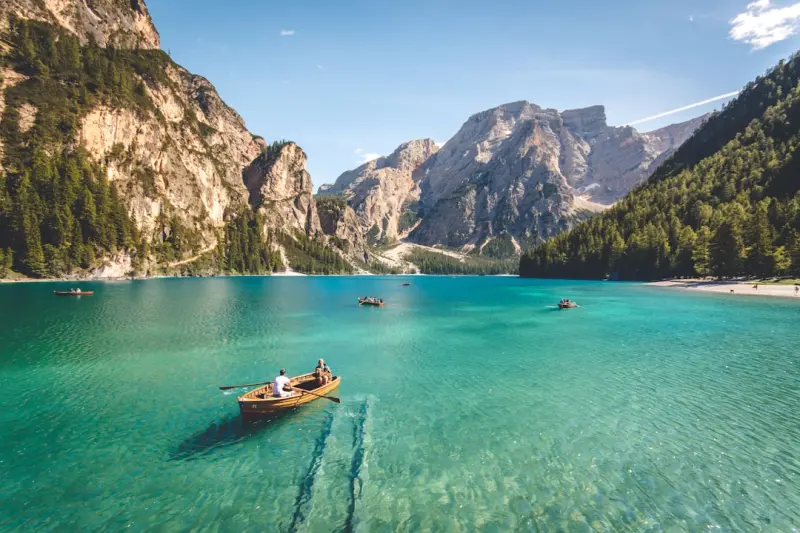
When the plane’s wheels kiss the runway, most of us picture a postcard‑perfect sunset, a handful of Instagram stories, and a brief escape from the inbox. I’ve learned, over countless miles and midnight trains, that travel can be so much more than a visual break—it can become a portable laboratory for ideas, a catalyst for personal evolution, and a secret weapon for the modern professional who refuses to leave growth at the office door.
Re‑imagining the Journey: From Destination to Discovery Engine
Imagine your suitcase not just as a container for clothes, but as a mobile toolkit. Each zippered pocket holds a prompt instead of a spare charger: a question you’ll explore at the next coffee shop, a micro‑experiment you’ll try on the train, a conversation starter you’ll use at the hostel lounge. This shift changes the narrative from “where am I going?” to “what will I uncover along the way?”
It starts with three simple mind‑sets:
- Curiosity as a habit. Treat every unfamiliar street sign, menu item, or local custom as a data point. Record it, reflect on it, and let it spark a new line of thinking.
- Intentional “learning stops.” Just as you schedule meetings, block out short windows to observe, interview, or experiment.
- Cross‑pollination. Bring insights from your travel back to your team, and invite teammates to contribute ideas that shape the next leg of your journey.
Designing a Portable Knowledge Hub
Physical spaces often dictate how we think. A cramped airline seat can stifle creativity, while a sun‑lit co‑working space can ignite it. The trick is to recreate the benefits of a dedicated workspace wherever you land. Here’s how to build one with the things you already have:
- Digital notebooks. Use a lightweight app that syncs offline. Keep a running list of observations, sketches, and questions.
- Audio prompts. Record snippets of ambient sounds—market chatter, train announcements, street musicians. Later, replay them to trigger memory‑linked ideas.
- Physical tokens. Collect small items—a ticket stub, a pressed leaf, a local postcard. Each becomes a tactile reminder of an insight.
When you pair these tools with a habit of weekly reflection, the entire trip morphs into a living lab where each experience is a hypothesis waiting to be tested.
Leveraging AI to Personalize Your Exploration
Artificial intelligence isn’t just for automating spreadsheets; it can be your personal itinerary curator. By feeding an AI model your interests—say, urban design, culinary trends, or emerging tech—you can generate hyper‑personalized suggestions that go beyond the typical “top 10 attractions.”
Here’s a quick workflow:
- Enter a broad theme (e.g., “sustainable architecture”).
- Ask the AI to list lesser‑known sites, local workshops, or community projects related to that theme.
- Prioritize stops that also align with your “learning stops” schedule.
This approach turns a generic sightseeing list into a curated research agenda, allowing you to surface hidden gems that directly feed your professional curiosity.
From Solo Wandering to Collaborative Exploration
Travel doesn’t have to be a solitary endeavor. In fact, inviting colleagues or peers to join parts of your journey can amplify the impact. Consider these collaborative formats:
- Mini‑retreats. Invite a small team to a destination known for its creative community. Schedule brainstorming sessions that blend local culture with business challenges.
- Cross‑border hackathons. Partner with a local startup or university to co‑create solutions on the ground. The urgency of a limited‑time frame fuels rapid innovation.
- Shared travel journals. Use a cloud‑based document where every participant adds observations, photos, and ideas in real time.
These formats transform a trip from a personal recharge into a strategic asset for your organization.
Integrating Travel Insights into Everyday Work
The real magic happens when you weave travel‑derived insights back into your daily workflow. Here’s a repeatable process:
- Capture. Within 24 hours of each “learning stop,” jot down three concrete observations.
- Connect. Map each observation to a current project or challenge at work.
- Share. Present the connections in a short, visual format—think a one‑page slide deck or an infographic.
- Iterate. Invite feedback and explore how the new perspective can reshape your approach.
By treating travel insights as data points, you give them the same credibility as any other business metric, ensuring they influence decision‑making.
Case Study: Turning a Weekend in a Coastal Town into a Product‑Innovation Sprint
Last fall, I spent a long weekend in a modest seaside village known for its artisanal glass workshops. Instead of lounging on the beach, I set three goals:
- Observe the process of crafting hand‑blown glass.
- Interview artisans about their supply chain challenges.
- Sketch ideas for a digital platform that could connect small‑scale creators with global buyers.
Within two days, I drafted a prototype concept that later became the seed for a pilot program at my company, linking independent makers with corporate procurement teams. The entire journey was powered by curiosity, a portable knowledge hub, and a deliberate plan to capture insights.
Balancing Presence and Connectivity
While it’s tempting to stay constantly connected, the most valuable insights often arise when you allow space for observation. Instead of checking emails every half hour, schedule dedicated “offline windows.” Use this time to:
- Walk a local market and note the flow of people.
- Sit in a café and listen for recurring themes in conversations.
- Reflect on how the environment influences mood and productivity.
When you return to the digital realm, you’ll bring back richer context, allowing you to communicate more effectively with remote teammates.
Tools and Resources to Keep You Moving
Here are a few practical resources to help you turn any trip into a knowledge hub:
- One‑sentence prompts. Write a prompt like “What does this city do differently to foster community?” and keep it in your notes app.
- Local meet‑up platforms. Use event sites to find workshops, talks, or community gatherings that align with your curiosity.
- AI‑driven itinerary generators. Feed your prompts into an AI tool to receive hyper‑personalized suggestions.
For a deeper dive into turning travel into a skill‑enhancing experience, check out the article Turn Every Trip into a Skill‑Boosting Adventure. It offers a structured framework for mapping travel moments to professional development goals.
If you’re interested in how internal talent ecosystems can benefit from the fresh perspectives gathered on the road, the post The Untapped Power of Internal Talent Marketplaces explores ways to surface and share those insights across the organization.
Final Thoughts: Travel as a Continuous Experiment
Travel is often framed as a break from routine, but it can also be the ultimate laboratory for testing new ideas. By approaching each journey with the mindset of a researcher—equipped with curiosity, tools, and a plan for integration—you transform ordinary trips into powerful engines for personal and professional growth.
Next time you book a flight, ask yourself not just “Where am I going?” but “What will I discover, and how will it reshape the work I do when I return?” The world is full of experiments waiting to be conducted, and your suitcase is the perfect lab coat.

Melanie Wilson, Freelance writer with a flare for everything. I am passionate about topics I write crafting stories and compelling content that connect with audiences. Journeying through the realms of creativity as a freelance creator. #WriterLife #ContentCreator
Related Posts
The Layover Playbook: Turning Transit Time into a Personal Innovation Sprint
Discover a practical 4‑step framework to turn airport layovers into micro‑innovation sprints, bo... Read More
Travel as a Decision Lab: Sharpen Your Judgment
Travel forces rapid, real‑world decisions that sharpen judgment. By treating trips as mobile labs,... Read More
The Rise of Digital‑Nomad Hubs: Redefining Travel for the Hybrid Workforce
Digital‑nomad hubs are transforming travel from brief getaways into immersive, sustainable lifesty... Read More
Top Posts

Microbiome‑First Personal Care: How Gut Health Is Rewriting Your Beauty Routine
A deep dive into how balancing your gut microbiome can boost skin health, featuring practical probiotic foods, topical products, and sustainable refillable ritu...Read More
Why Garden Desks Are the New Frontier in Employment
Rose DesRochers explores how garden desks transform work life, improve wellbeing, and set a new standard for sustainable employment....Read More

How a Minimalist Environment Boosts Mental Clarity and Resilience
A cluttered space drains mental energy. Learn practical steps to create a minimalist workspace that supports calm, focus, and resilience, backed by science and ...Read More
Redefining Employee Success: From Rigid Metrics to Adaptive Growth
Static KPIs are holding teams back. Learn how an adaptive growth framework, intentional digital downtime, and a culture of experimentation can redefine employee...Read More
0 Comments
Post Comment
You will need to Login or Register to comment on this post!