
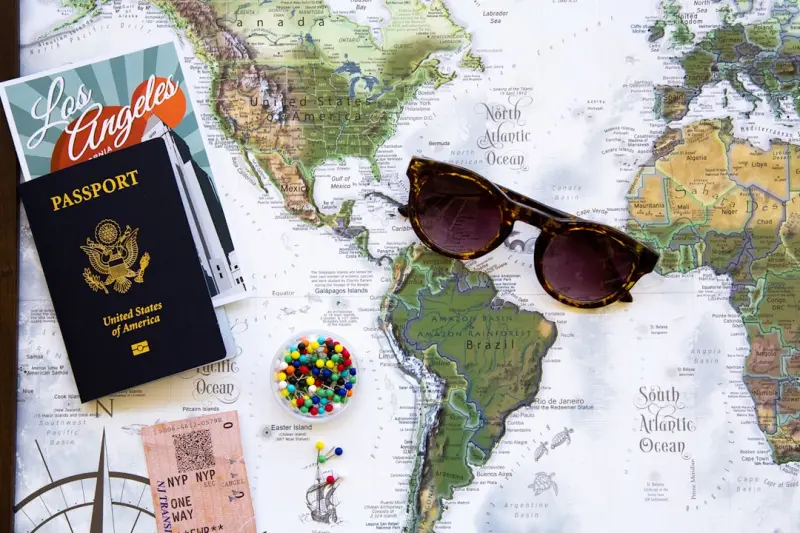
Passport to Flavor: How Food‑First Travel Transforms Your Worldview
When I first booked a trip to Osaka, I told myself I’d spend more time in restaurants than museums. The idea felt rebellious—most travel guides preach “see the sights” first, then “sample the cuisine.” But I’ve learned that the most profound cultural revelations happen when you let your palate be the guide. In the last few years, a quiet revolution has been bubbling under the glossy veneer of wanderlust: travelers are deliberately designing trips around food, using each bite as a passport stamp for the soul.
Why Food‑First Travel Works
At its core, food is storytelling. A dish carries history, geography, climate, economics, and religion in a single bite. When you sit down for a bowl of pho in a bustling Hanoi alleyway, you’re tasting the legacy of French colonialism, the abundance of local herbs, and the resilience of a people who turned scarcity into flavor.
Unlike traditional sightseeing, which often feels like checking items off a list, culinary experiences demand presence. You have to slow down, engage all five senses, and often converse with strangers who become your temporary guides. This immersion forces you to confront assumptions and, as a result, recalibrate your internal map of the world. In a recent post I wrote about why traveling the unknown turns you into a better decision‑maker, I highlighted the power of uncertainty. Food‑first travel amplifies that uncertainty because you can’t predict the next flavor, the next story, or the next conversation.
The Anatomy of a Food‑First Itinerary
- Start with a culinary curiosity. Identify a dish, ingredient, or cooking technique you’ve never tried. Let that curiosity dictate the destination.
- Research local markets, not just restaurants. Markets are the beating heart of a city’s food culture. They reveal seasonal produce, price points, and the daily rhythm of locals.
- Schedule “food gaps.” Leave portions of your day unscripted. Wander into a street stall, join a cooking class, or simply ask a passerby for a recommendation.
- Document flavors, not just photos. Keep a tasting journal—note aromas, textures, and emotions. Over time you’ll see patterns that deepen cultural insight.
- Connect the cuisine to larger systems. Ask yourself: How does this dish reflect the region’s climate? Its trade routes? Its social hierarchies?
Following this framework turns a vacation into a research expedition—one where the hypothesis is “What does this flavor tell me about the people who created it?”
Case Study: From Street Tacos to Sustainable Farming in Oaxaca
My most transformative food‑first journey unfolded in Oaxaca, Mexico. I arrived with a notebook, a modest budget, and a fierce desire to understand the region’s famed mole.
First, I visited the bustling Mercado 20 de Noviembre, where stalls overflowed with dried chilies, fresh herbs, and the intoxicating scent of roasted cacao. I chatted with a vendor named Rosa, who explained that each mole variation reflects the micro‑climate of the valley where its chilies are grown. This conversation led me to a small cooperative of family farmers cultivating heirloom chilies on terraces that have existed for centuries.
Spending two days on the farm, I learned how traditional “milpa” agriculture—planting corn, beans, and squash together—creates a self‑sustaining ecosystem. The farmers showed me how they use the same chilies for mole, for drying, and even for natural dye. The experience tied the flavor of mole not only to culinary tradition but to environmental stewardship and economic resilience.
Back in the city, I joined a cooking workshop where a local chef demonstrated the painstaking process of grinding chilies on a volcanic stone mortar. The rhythmic pounding was meditative, and the final dish tasted like a story unfolding—each bite a reminder of the farm’s terraces, the market’s chatter, and the chef’s lineage.
This trip proved that food can be a bridge between the personal and the planetary. It also reminded me of a concept I explored in how roaming the world can supercharge your network: genuine connections happen when you share something as intimate as a meal.
Beyond the Plate: Skills You’ll Pick Up
Food‑first travel isn’t just about expanding your palate; it’s a training ground for soft skills that translate directly to professional life:
- Active Listening. Ordering a dish in a language you don’t speak forces you to pay close attention to non‑verbal cues.
- Adaptability. Street food stalls rarely follow a schedule; you learn to pivot when a favorite spot is closed.
- Negotiation. Haggling over market prices sharpens your ability to find win‑win outcomes.
- Cultural Intelligence. Understanding the symbolism behind a celebratory dish teaches empathy for diverse perspectives.
These competencies echo the themes of many of our recent posts—like the way turning transit into a creativity lab encourages you to see movement itself as a catalyst for fresh ideas. In food‑first travel, each movement—whether a market stroll or a bus ride to a remote village—becomes a micro‑laboratory for learning.
Practical Tips for the Aspiring Food Explorer
1. Learn Key Phrases. Even a simple “What’s the local specialty?” in the native language can open doors.
2. Embrace Street Food. It’s often the most authentic, affordable, and daring way to taste a culture. Look for crowds; they’re usually a sign of quality.
3. Use Technology Wisely. Apps like Foodspotting or local Instagram hashtags can highlight hidden gems, but don’t let them replace spontaneous discovery.
4. Respect Dietary Etiquette. Some cultures consider certain foods sacred or taboo. A quick search or a respectful question can prevent faux pas.
5. Keep an Open Mind (and Stomach). Your first encounter with fermented shark or durian might be shocking, but the willingness to try expands both culinary horizons and personal resilience.
From Solo Adventures to Group Expeditions
Food‑first travel scales beautifully. Solo travelers can use culinary experiences as a social magnet—joining a communal table in a bustling night market often leads to spontaneous conversation. For groups, a shared cooking class or market tour builds camaraderie faster than any ice‑breaker activity.
In fact, many corporate retreat planners are now curating “flavor immersion” programs, where teams collaborate on preparing a traditional dish. The process mirrors the dynamics of a project team: brainstorming (choosing ingredients), planning (prepping), execution (cooking), and debrief (tasting and reflecting). The outcome? Stronger bonds and a shared story that lives beyond the boardroom.
Future Trends: Tech Meets Taste
While I champion the tactile, sensory nature of food‑first travel, technology is nudging the experience into new territories. Augmented reality (AR) menus can overlay ingredient origins, and AI‑driven translation earbuds are breaking language barriers at bustling stalls. However, the core principle remains unchanged: let the food lead the narrative.
As we look ahead, I anticipate three developments that will shape the next wave of culinary exploration:
- Hyper‑local Food Maps. Crowd‑sourced platforms that prioritize sustainability, highlighting farms and vendors with transparent sourcing.
- Immersive Cooking Pods. Pop‑up kitchens where travelers can learn a dish from a local chef, then take the recipe home—blending travel with lasting skill acquisition.
- Flavor‑Based Travel Packages. Travel agencies curating itineraries around “spice routes,” “seafood trails,” or “heritage desserts,” catering to niche palates.
These innovations promise to amplify the impact of food‑first travel, making it more accessible while preserving its authenticity.
Wrapping Up: Your Next Bite Could Change Everything
If you’ve ever felt that traditional travel itineraries left you craving deeper connection, consider swapping the guidebook for a menu. The next time you book a flight, start with a single dish you’ve never tasted. Follow the trail of ingredients, meet the people who harvest them, and let each flavor rewrite your perception of the world.
Remember, travel is not just about where you go—it’s about how you arrive. Let your stomach be the compass, and you’ll discover that the most memorable journeys begin on a plate.

Tyler Johnson is a seasoned freelance writer with a keen eye for detail and a passion for crafting compelling narratives. His years of experience have honed his ability to adapt his style to suit diverse client needs and project requirements.
Related Posts
Paper‑Only Travel: Rediscovering Analog Adventures
Explore how traveling with paper maps, a handwritten journal, and a film camera can deepen connectio... Read More

When the Road Takes the Lead: Harnessing Unplanned Detours for Deeper Travel Experiences
Discover why leaving room for the unexpected can make your journeys more enriching, with real storie... Read More
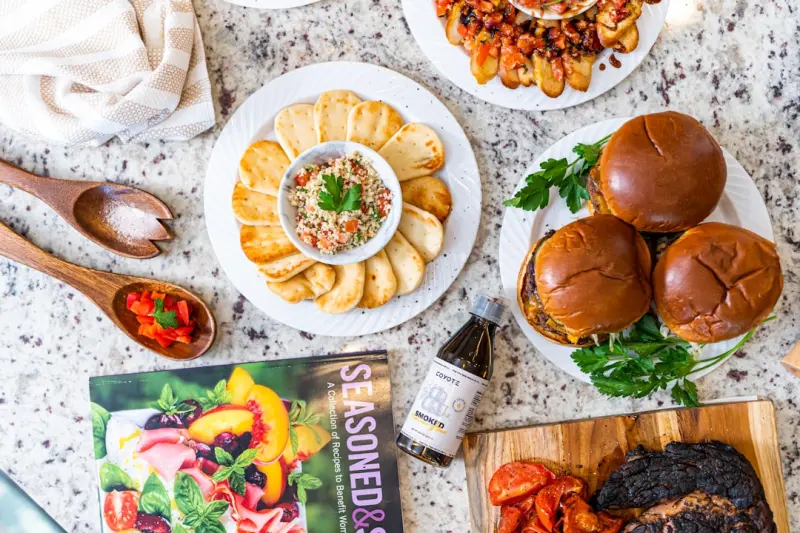
Taste the World: How Cooking Global Recipes Turns Home Into a Travel Hub
Explore the art of turning your kitchen into a travel hub by cooking authentic dishes from around th... Read More
Top Posts

The Hidden Power of Internal Talent Marketplaces
Internal talent marketplaces transform static career ladders into fluid ecosystems, letting employees showcase real‑time skills, take on short‑term projects...Read More

From My Garden Desk: Jimmy Damon’s Blueprint for the New Era of Employment
Jimmy Damon shares his journey of transforming a garden into a thriving workspace, highlighting flexibility, productivity boosts, and the future of remote emplo...Read More

Designing a Multi‑Sensory Garden: How to Engage Sight, Sound, Touch, Smell, and Taste at Home
Transform your backyard into a sensory sanctuary by layering texture, sound, fragrance, taste, and lighting. This guide offers practical steps for homeowners to...Read More

When AI Becomes the Quiet Engineer of Sustainable Growth
AI isn’t just a flashy tool; it can act as a silent engineer that continuously refines operations, reduces carbon footprints, and aligns sustainability with p...Read More
0 Comments
Post Comment
You will need to Login or Register to comment on this post!