

Why Nighttime Gardens Deserve More Attention
When most of us think about gardening, the image that pops up is a sun‑drenched backyard, fresh soil, and the occasional hummingbird. I’ve spent years coaxing life from the ground in daylight, but it wasn’t until I installed my first string of warm‑white LEDs that I realized the garden’s true potential after the sun sets. Nighttime isn’t a “off‑season” for a yard; it’s a stage that, with the right lighting, can transform a simple patch of grass into a sanctuary for the senses.
The Psychology Behind Light and Mood
Research shows that light influences our circadian rhythm, hormone production, and even emotional regulation. Soft, amber‑tinted illumination can trigger the release of melatonin at a slower, more natural pace, encouraging relaxation without the harshness of blue‑rich LED floodlights. In practice, this means a garden lit with purpose can become an extension of your evening routine—a place to unwind, reflect, and reconnect with the people you love.
Starting with a Vision: Mapping Your Nightscape
Before you rush to the hardware store, take a step back and sketch a simple map of your outdoor space. Identify the zones that you want to highlight:
- Gathering Spot: A patio, fire pit, or a set of comfortable chairs where conversations flow.
- Pathways: Walkways that guide guests safely while adding visual intrigue.
- Feature Plantings: Trees, shrubs, or flower beds that become focal points when illuminated.
- Quiet Corners: Nooks for solitary reading or meditation, often tucked away from the main activity hub.
Once you’ve marked these areas, you’ll have a clear idea of the type and quantity of fixtures you’ll need.
Choosing the Right Light Sources
Not all lights are created equal. Here’s a quick rundown of the most garden‑friendly options:
- Solar Path Lights: Ideal for low‑traffic walkways. They charge during the day and emit a gentle glow at dusk.
- LED String Lights: The versatile workhorse. Drape them across pergolas, wrap them around tree trunks, or hang them from shepherd’s hooks for a festive feel.
- Low‑Voltage Spotlights: Perfect for highlighting specific plants or architectural elements. Look for fixtures with a wide beam spread to avoid harsh glare.
- Fiber‑Optic Fairy Lights: Provide a magical twinkle that mimics fireflies—great for intimate corners.
- Lanterns & Candle‑Style Fixtures: Offer an old‑world charm. Modern LED versions give the aesthetic without the fire risk.
When selecting bulbs, aim for a color temperature between 2,200K and 2,700K. This “warm white” range feels cozy and encourages a sense of calm.
Layering Light: The Three‑Tier Approach
Professional landscape designers often talk about layered lighting. Think of it as a three‑dimensional collage:
- Ambient Light – The overall glow that makes the space feel safe. This can come from overhead string lights or low‑profile wall sconces.
- Task Light – Focused illumination for specific activities, like reading on a patio chair or grilling at a fire pit.
- Accent Light – Highlighting textures, colors, and shapes. Spotlights aimed at bark, leaf patterns, or water features add depth and drama.
Balancing these layers ensures that the garden never feels either too dim or too bright. It also lets you shift the mood throughout the evening—start with ambient lighting for a relaxed dinner, then add accent lights for a more theatrical vibe as the night deepens.
Integrating Nature’s Own Soundtrack
While lighting sets the visual tone, garden sound design can amplify the emotional impact. A small water feature, wind chimes tuned to a soothing scale, or even a hidden speaker playing low‑volume nature recordings can turn a simple stroll into a multisensory experience. Pairing soft water sounds with amber lighting creates a lullaby for the senses, inviting guests to linger longer.
Eco‑Friendly Considerations
Even as we indulge in aesthetic upgrades, sustainability should stay front‑and‑center. Here are a few ways to keep your night garden green:
- Solar Power: Choose solar‑charged fixtures wherever possible. They reduce electricity costs and eliminate the need for hard wiring.
- Smart Timers: Install timers or motion sensors that dim lights after a set period or when no movement is detected.
- Low‑Heat LEDs: Traditional bulbs generate heat, which can stress nearby plants. LEDs stay cool, preserving plant health.
- Recyclable Materials: Opt for fixtures made from recycled aluminum, bamboo, or reclaimed wood.
Design Inspiration from Small Spaces
If you’re limited on square footage, you’re not out of luck. My neighbor turned a narrow balcony into a urban balcony garden that feels like a secret oasis after dark. By using a combination of hanging planters, a compact LED lantern, and a reflective mirror on the railing, the space feels both expansive and intimate. Take a cue from this approach: vertical planting, reflective surfaces, and strategic lighting can make even the tiniest area feel magical.
Step‑by‑Step Installation Guide
Ready to bring your vision to life? Follow these practical steps:
- Plan Your Power Source: Decide whether you’ll rely on solar, battery‑powered, or wired electricity. For wired setups, consult an electrician to ensure safety and compliance.
- Mark Fixture Locations: Using chalk or removable stickers, outline where each light will sit. This helps avoid misplacements during installation.
- Install Pathway Lights First: Lay down solar or low‑voltage lights along walkways. Ensure they’re level and evenly spaced for a uniform glow.
- Hang String Lights: Secure hooks or eye bolts to pergolas, trees, or the underside of the roof. Keep the cord taut but allow for a gentle curve to add visual interest.
- Position Spotlights: Aim these at key plants or architectural features. Use adjustable brackets so you can tweak angles after sunset.
- Add Accent Layers: Scatter lanterns, fairy lights, or candle‑style LED fixtures in seating areas and corners.
- Test and Adjust: Turn on the system at twilight. Walk the space, note any glare or dark spots, and reposition as needed.
- Program Timers: Set the lights to dim gradually over an hour, mimicking the natural fading of daylight.
Maintaining Your Night Garden
Lighting is a long‑term investment, and regular upkeep ensures safety and longevity:
- Clean Fixtures: Dust and pollen can dim the light output. Wipe each fixture with a soft cloth monthly.
- Battery Checks: For solar lights, replace or recharge batteries every 1‑2 years.
- Prune Around Lights: Overgrown foliage can block light and cause heat buildup. Trim plants regularly to keep the illumination clear.
- Seasonal Swaps: As seasons change, adjust the placement of accent lights to highlight new blooms or autumn foliage.
Creating Rituals Around Your Lightscape
Lighting can do more than set a mood; it can anchor rituals that deepen your connection to the space. Consider these ideas:
- Evening Tea Ceremony: Brew a calming herbal tea, settle into your patio chair, and let the warm glow frame the steam.
- Starlight Journaling: Keep a small notebook by a low‑light lamp and write reflections under the night sky.
- Family Storytime: Dim the lights to a soft hue, gather on a blanket, and share stories while fireflies (real or simulated) flicker above.
These practices turn the garden from a decorative backdrop into an active participant in your wellbeing routine.
Budget‑Friendly Alternatives
Not everyone can splurge on high‑end fixtures, and that’s okay. Here are a few cost‑effective hacks:
- Upcycled Mason Jar Lanterns: Fill jars with battery‑powered LED tea lights, add a decorative rope or twine, and hang them from branches.
- Recycled Fairy Lights: Use discarded Christmas lights, replace the bulbs with warm‑white LEDs, and drape them over a trellis.
- DIY Solar Stakes: Purchase cheap solar garden stakes and repaint the housings to match your décor.
Safety First
While aesthetics are essential, safety should never be compromised. Follow these guidelines:
- Use only outdoor‑rated fixtures and cords.
- Ensure all wiring is protected from moisture with proper conduit.
- Keep cords away from walkways to avoid tripping hazards.
- Install GFCI (Ground Fault Circuit Interrupter) outlets for any plugged‑in lighting.
Final Thoughts: Your Nighttime Garden as a Living Canvas
Designing a night garden is less about purchasing the latest gadgets and more about curating an atmosphere that resonates with your personal rhythm. By blending warm lighting, gentle sounds, and intentional spaces for quiet moments, you create a living canvas that evolves with the seasons and with you.
Take the first step tonight—perhaps simply string a set of amber lights across your patio and watch the transformation. As the glow spreads, you’ll notice a subtle shift: the garden becomes not just a place to be, but a place to feel. And in that feeling lies the true magic of nighttime garden design.

Laura Wilson is a freelance writer specializing in the dynamic and ever-evolving field of health. With a passion for translating complex medical information into accessible and engaging content, Laura brings a wealth of knowledge and a fresh perspective to topics ranging from preventative care and nutrition to cutting-edge research and innovative treatments.
Related Posts

Upcycled Garden Art: Turning Trash into Outdoor Treasure
Explore how to transform discarded household objects into beautiful, eco‑friendly garden pieces. F... Read More

The Rise of Pocket Gardens: Big Green Impact in Small Spaces
Pocket gardens turn even the tiniest corners of urban homes into productive, sustainable oases. Lear... Read More

From Garden Soil to Office Success: How Rose DesRochers Is Redefining Home & Garden Living
Rose DesRochers shares her personal transformation of a garden desk into a thriving green workspace,... Read More
Top Posts

Micro‑Movements & Breathwork: Tiny Health Hacks for Busy Lives
Learn to integrate five‑minute micro‑movements and simple breathwork into your hectic day, creating lasting health benefits without major lifestyle changes....Read More
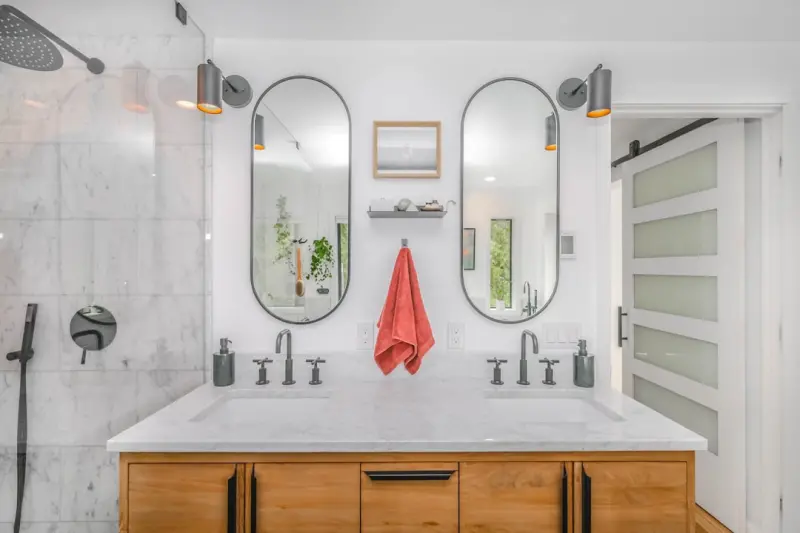
Turning Your Bathroom into a Mindful Sanctuary: The Art of Intentional Grooming
Learn to transform everyday grooming into a calming ritual by integrating sensory cues, better water quality, breathwork, and sustainable products, creating a p...Read More

Design Your Role: A Blueprint for Job Crafting Success
Learn how to reshape your existing role through job crafting. This guide offers actionable steps to align tasks, relationships, and mindset with your strengths ...Read More

Seasonal Garden Lighting: How to Brighten Your Outdoor Space All Year
Discover practical, eco‑friendly lighting ideas that adapt to each season, enhance safety, set mood, and integrate seamlessly with your home’s design....Read More
0 Comments
Post Comment
You will need to Login or Register to comment on this post!