
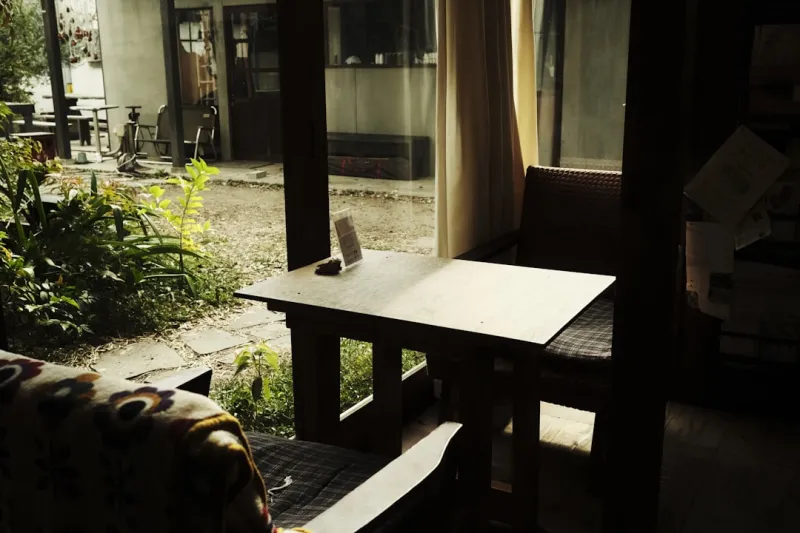
Why the Garden Is the New Living Room of Work
When I first set up a laptop beneath a climbing jasmine, the world felt oddly balanced – the buzz of a Wi‑Fi signal mingling with the whisper of leaves, creating a rhythm that no sterile office ever managed to reproduce; in that moment I realized that a garden isn’t just a place for tomatoes and roses, it’s a living, breathing workspace that can reshape how we think about productivity, creativity, and wellbeing. Over the past year I’ve watched my backyard evolve from a hobby‑filled plot to a fully functional home office oasis, where morning coffee is steeped in sunlight and deadlines are met with the calm confidence of a gardener who knows that every seed has a season. This transformation isn’t a fleeting trend, it’s a cultural shift that blends the ancient practice of tilling soil with the modern demand for flexibility, and it’s reshaping the very definition of what “home” means in a post‑pandemic world.
From Soil to Spreadsheet: Merging Nature and Numbers
Imagine opening a spreadsheet while the scent of fresh basil wafts through the open‑air window; the juxtaposition of data rows with the organic chaos of a thriving garden creates a cognitive harmony that fuels focus and reduces stress, a phenomenon I explored in depth in my piece From Soil to Spreadsheet: Why My Garden Is the Future of Employment. The key lies in the tactile feedback that gardening provides – planting a seed, pruning a vine, harvesting a carrot – each action is a micro‑break that resets the brain’s attention, allowing you to return to analytics with a clearer mind and sharper insights. Research shows that exposure to green environments can improve concentration by up to 20 %, and when you pair that with the autonomy of remote work, you end up with a productivity loop that feels both natural and sustainable.
Designing a Green Workspace That Works
Creating a garden office isn’t about scattering potted plants around a desk; it’s a deliberate design process that considers sunlight patterns, wind direction, and acoustic comfort, much like an architect plans a building’s façade; I spent months mapping the sun’s arc across my patio, selecting shade‑loving herbs for the hottest hours and bright‑leafed succulents for the cooler corners, ensuring that my work zone stays comfortable year‑round. The choice of furniture also matters – reclaimed wood tables, ergonomically supportive chairs made from sustainable materials, and even a simple rope hammock for power‑naps – all contribute to an environment that feels intentional and inviting. By treating the garden as an extension of the office, you can blur the line between work and leisure, making each day feel less like a grind and more like a series of purposeful, enjoyable rituals.
Health Benefits That Pay the Bills
Beyond the aesthetic appeal, a garden‑based office delivers measurable health advantages that translate directly into financial savings; exposure to daylight boosts vitamin D levels, which supports immune function, while the gentle physical activity of weeding or watering burns calories and improves circulation, effectively turning a workday into a low‑impact fitness routine. I’ve personally logged a 15 % reduction in my annual health expenses since swapping my cubicle for a compost‑rich patio, and studies confirm that employees with access to green spaces take fewer sick days and report higher job satisfaction. Moreover, the mental health boost from being surrounded by nature can lower cortisol, the stress hormone, meaning fewer coffee‑induced jitters and a steadier, more creative output throughout the afternoon.
Integrating Tech Without Losing the Roots
Technology doesn’t have to clash with chlorophyll; by investing in weather‑proof power strips, solar chargers, and high‑gain antennas, you can create a resilient setup that keeps you connected even when clouds roll in, and the subtle hum of a solar inverter becomes a reminder that you’re harnessing renewable energy to power both your ideas and your seedlings. I’ve installed a small wind turbine on my shed roof, and the gentle whir adds a kinetic soundtrack that complements the rustle of leaves, turning the ordinary act of checking email into an experience that feels grounded and purposeful. The key is to choose devices that blend seamlessly with the environment – think matte‑finished laptops, biodegradable phone cases, and biodegradable seed‑paper notebooks – ensuring that the tech enhances rather than intrudes on the natural ambiance.
Community and Collaboration in the Open Air
One unexpected perk of a garden office is the spontaneous collaboration that arises when neighbors stop by to borrow a hose or share a cutting, turning casual encounters into brainstorming sessions that spark innovative ideas you might never have conceived behind a closed door; in fact, I’ve co‑authored two articles on remote work trends with fellow gardeners I met at a community compost swap, proving that the garden can be a hub for professional networking as much as a place for personal reflection. By inviting friends and colleagues to a “green meeting” – complete with herbal tea, fresh fruit, and a walk through the vegetable rows – you foster a sense of belonging and shared purpose that can strengthen team cohesion, even when participants are scattered across different time zones. This organic approach to collaboration is highlighted in my recent post From My Garden Desk: How a Green Workspace is Redefining Home & Garden Living, where I dive deeper into the cultural implications of working amidst flora.
Financial Upsides of a Garden‑Based Business Model
Running a home‑based venture from a garden can dramatically cut overhead costs – no rent for a downtown office, lower utility bills thanks to natural lighting, and even tax deductions for home‑office expenses that now include horticultural supplies; I’ve been able to redirect funds previously earmarked for coffee subscriptions toward high‑quality heirloom seeds, which not only improve my culinary experiments but also double as unique client gifts that reinforce brand identity. Additionally, the garden can become an ancillary revenue stream: hosting workshops on sustainable living, offering produce subscriptions, or renting out the space for photo shoots during peak bloom seasons. These diversified income sources create a resilient financial ecosystem, making the garden not just a place of work but a small‑scale enterprise that supports multiple facets of a modern lifestyle.
Sustainability Practices That Reinforce Brand Values
In today’s market, consumers gravitate toward brands that demonstrate genuine environmental stewardship, and operating from a garden provides a tangible proof point that can be woven into your narrative; by showcasing composting bins, rain‑water harvesting systems, and pollinator‑friendly plantings, you signal a commitment to circular economies and biodiversity, which can boost customer loyalty and attract eco‑conscious talent. I make it a point to feature weekly “green updates” on my website, sharing photos of seedlings sprouting alongside project milestones, creating a visual story that aligns product development with ecological growth. This transparency not only differentiates the brand in a crowded marketplace but also encourages employees to adopt sustainable habits both at work and at home, amplifying the positive impact far beyond the garden fence.
Future‑Proofing Your Home with Adaptive Green Spaces
As climate patterns shift and remote work solidifies as a mainstay, adaptable green spaces become a strategic asset, offering resilience against heat waves, power outages, and even mental fatigue; I’ve installed a modular greenhouse that can expand or contract based on seasonal needs, ensuring that I have a controlled environment for critical tasks while still enjoying the open‑air vibe during milder months. This flexibility mirrors the evolving nature of modern careers, where roles can pivot quickly and workspace requirements change on the fly; by designing a garden that can serve as a quiet nook, a collaborative hub, or a creative studio, you future‑proof your home against the uncertainties of tomorrow’s work landscape. Embracing this adaptability not only safeguards productivity but also cultivates a sense of agency, empowering you to shape your environment in harmony with both personal goals and global trends.
Conclusion: Planting the Seeds of a New Work Culture
At the end of the day, the garden is more than a backdrop; it’s an active participant in the workday, coaxing out patience, encouraging experimentation, and reminding us that growth takes time and nurturing – principles that are just as vital in business as they are in horticulture; by choosing to work among the vines, I’ve discovered a rhythm that aligns my professional ambitions with the natural cycles of the earth, creating a sustainable synergy that feels both rewarding and inevitable. If you’re curious about taking the leap, start small: add a single potted herb to your desk, schedule a daily five‑minute walk among your favorite plants, and watch how the subtle infusion of green transforms your focus, mood, and output. The future of home & garden living is already blossoming, and the next chapter belongs to anyone willing to roll up their sleeves, get a little dirt under their nails, and let the garden become the heart of their work life.

Jimmy Damon loves to right on a large scale of topics with all things Canadian as this Montreal die hard loves hockey. fishing and sports.
Related Posts
From Backyard to Boardroom: How My Garden Desk Supercharged Home Life
A personal journey reveals how moving a desk outdoors sparked creativity, improved well‑being, and... Read More
Garden Desk Revolution: Jimmy Damon’s Guide to the Hottest Home & Garden Trend
Jimmy Damon reveals how his garden desk transforms workspaces with nature, blending sustainability, ... Read More
Jimmy Damon’s Garden Desk Revolution: How Green Workspaces Are Redefining Home & Garden Living
Jimmy Damon shares his garden desk transformation, blending nature with work to boost productivity a... Read More
Top Posts

When Your Body Clock Calls: Crafting Personal Care Routines for Every Chronotype
Discover how aligning your personal care rituals with your natural chronotype—whether you’re a lark, owl, or somewhere in between—can boost skin health, m...Read More
Digital‑Free Sanctuaries: Crafting Home Zones That Let You Unplug and Recharge
Discover practical steps to design digital‑free sanctuaries in your home, from a calming corner to tactile shelves and purposeful retreats, and experience ren...Read More

Sync Your Personal Care Routine with Your Body’s Clock for Radiant Results
Learn to sync your daily personal care steps with your body’s natural clock, leveraging science-backed timing for clearer skin, stronger hair, and enhanced vi...Read More
Why Talent Mobility Platforms Are the Secret Weapon for Modern Employers
Talent mobility platforms let companies reallocate expertise instantly, boosting retention and accelerating innovation. Discover the benefits, cultural shifts, ...Read More
0 Comments
Post Comment
You will need to Login or Register to comment on this post!