
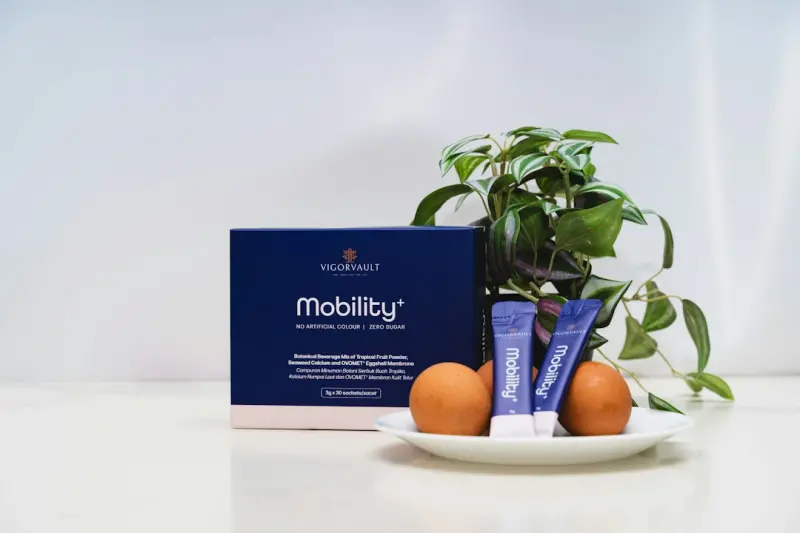
Why Micro‑Movements Are the Secret Weapon for Sustainable Health at Work
Ever feel like your body is staging a silent protest at the end of a long day in front of a screen? You’re not alone. The modern office—whether a physical cubicle or a virtual Zoom room—has turned many of us into sedentary specialists. The problem isn’t just the hours logged; it’s the minutes we spend glued to our chairs, letting muscles atrophy and circulation stagnate. The solution, surprisingly, isn’t a marathon or an expensive standing‑desk upgrade. It’s a series of intentional, bite‑size actions I like to call micro‑movements.
In this post, I’ll unpack why micro‑movements matter, how they differ from traditional “exercise breaks,” and give you a toolbox of science‑backed practices you can embed into any workflow. By the end, you’ll see that health isn’t a massive overhaul—it’s a series of tiny, repeatable habits that compound into profound well‑being.
The Science Behind Tiny Motion
Research from the American Journal of Physiology shows that even a two‑minute burst of light activity can improve endothelial function—the lining of our blood vessels—by up to 13 percent. That’s a measurable boost in cardiovascular health, achieved without changing your schedule. Similarly, a 2022 study from Stanford’s Center for Population Health found that interrupting sitting every 30 minutes with just 30 seconds of leg lifts reduced post‑prandial blood glucose spikes by 22 percent.
What makes micro‑movements powerful is twofold:
- Neuromuscular Reset: Brief activations re‑engage motor units that otherwise go dormant, preserving muscle tone.
- Metabolic Kick‑Start: Short bursts spike mitochondrial activity, keeping metabolism humming even when the rest of the day feels inert.
These mechanisms mean you can reap health dividends without sacrificing the deep work sessions that modern knowledge work demands.
Micro‑Movements vs. Traditional Exercise Breaks
Most offices promote “stretch breaks” or “quick walks.” While valuable, they often require a conscious decision to step away, which can feel like a productivity threat. Micro‑movements, by contrast, are designed to be integrated—they happen within your current posture or workspace, minimizing disruption.
Consider the difference:
- Traditional Break: Stand up, walk to the kitchen, make tea, return.
- Micro‑Movement: Perform a set of seated ankle pumps while reviewing an email.
Both improve circulation, but the micro‑movement doesn’t require a context switch, preserving flow while still delivering physiological benefits.
Building a Micro‑Movement Routine: The 5‑Step Framework
Here’s a repeatable framework I use daily and coach teams to adopt. It’s adaptable to any role—whether you’re a developer, marketer, or executive.
1. Map Your “Idle Zones”
Identify moments when you’re physically idle but mentally engaged. Common idle zones include:
- Waiting for a file to upload.
- Listening to a colleague’s explanation on a shared screen.
- Reading long documents or code reviews.
These windows are perfect launch pads for micro‑movements because they don’t interrupt your mental focus.
2. Choose Movement Families
Pick a handful of movement families that cover major muscle groups. I recommend three core families:
- Joint Mobilizers: Neck rotations, wrist circles, ankle pumps.
- Postural Activators: Seated spinal extensions, shoulder blade squeezes.
- Micro‑Strength Sets: Isometric holds (e.g., seated leg extensions), resistance band pulls.
Each family can be executed in under 30 seconds, making them ideal for the idle zones you just mapped.
3. Set a Cue‑Action Pair
Pair a digital cue (e.g., a calendar notification or a timer) with a specific movement. For instance, set a 15‑minute recurring reminder that says “Ankle pumps” or “Shoulder blade squeeze.” The cue triggers an automatic, almost reflexive response.
4. Track and Iterate
Just as you would track a project’s KPIs, track your micro‑movement adherence. A simple spreadsheet with columns for date, movement type, and duration gives you a visual of consistency. After two weeks, review the data: Are you missing certain cues? Do some movements feel uncomfortable? Adjust accordingly.
5. Layer with Environmental Tweaks
Micro‑movements shine when supported by a conducive environment. This is where ergonomics meet health. For example, optimizing your lighting reduces eye strain, freeing mental bandwidth for movement cues. Likewise, positioning a small resistance band within arm’s reach encourages spontaneous strength sets.
Practical Micro‑Movement Examples
Below are 12 ready‑to‑use micro‑movements, organized by idle zone. Feel free to mix, match, and personalize.
While Waiting for Files (0–5 Minutes)
- Ankle Pumps (30 seconds): Flex and point toes, 10 reps each. Enhances calf circulation.
- Seated Heel Raises (30 seconds): Lift heels off the floor, hold 2 seconds, lower. Activates the gastrocnemius.
During Long Screen Time (5–15 Minutes)
- Neck Rolls (30 seconds): Slowly circle head clockwise then counter‑clockwise, 5 reps each.
- Wrist Flexor Stretch (30 seconds): Extend arm, palm down, gently pull fingers toward you.
- Isometric Glute Squeeze (15 seconds): Contract glutes, hold, release. Supports lower back alignment.
When Listening to a Presentation (15–30 Minutes)
- Shoulder Blade Squeeze (20 seconds): Pinch shoulder blades together, hold, release. Counters forward‑hunch.
- Seated Spinal Extension (20 seconds): Place hands behind head, gently arch upper back.
During Breakout Chats (30–45 Minutes)
- Desk Push‑Ups (10 reps): Hands on desk, lean forward, press up. Works chest and triceps.
- Band Pull‑Apart (15 reps): Hold a resistance band with both hands, pull apart, keep shoulders down.
Micro‑Movements and Mental Resilience
Physical micro‑actions have a ripple effect on cognition. A 2021 meta‑analysis linked brief physical activity to a 12% increase in short‑term memory retention. The mechanism? Increased cerebral blood flow and release of neurotrophic factors like BDNF (Brain‑Derived Neurotrophic Factor).
When you intersperse movement with deep work, you also reset the brain’s default mode network, reducing mental fatigue and sharpening focus. That’s why many high‑performing teams pair micro‑movement routines with tiny mental‑health hacks—the synergy creates a virtuous cycle of energy and clarity.
Scaling Micro‑Movement Culture Across Teams
Implementing micro‑movements isn’t a solo experiment; it can become a cultural norm that boosts collective health and productivity. Here’s a playbook for managers and team leads.
1. Lead by Demonstration
Start meetings with a 30‑second “movement moment.” For example, after the agenda, ask everyone to stand, roll shoulders, and take a deep breath. It normalizes the practice.
2. Embed Into Tools
Leverage collaboration platforms (Slack, Teams) to push gentle reminders. Bots can post a random movement cue every hour, turning the cue‑action pair into a community ritual.
3. Celebrate Consistency
Introduce a low‑key leaderboard for “most movement minutes logged” or a “streak” badge. Gamification motivates without pressuring.
4. Provide Resources
Curate a shared folder with illustrated micro‑movement guides, short demo videos, and printable “movement cards” that can sit on desks. The more visible the cues, the higher the adoption.
5. Measure Impact
Beyond compliance, track outcomes that matter to your organization: reduced sick days, higher self‑reported energy levels, and improved focus metrics (e.g., shorter task completion times). Share these results quarterly to reinforce the ROI of health.
Common Misconceptions and How to Overcome Them
Misconception #1: “I need a gym for real results.” Micro‑movements prove that effective stimulus can happen in a chair. Consistency beats intensity for everyday health.
Misconception #2: “It’s a distraction.” When designed as a cue‑action pair, micro‑movements are integrated into workflow, not a separate task. In fact, they often improve concentration immediately after execution.
Misconception #3: “I’m too busy for any extra activity.” The premise of micro‑movements is that they occupy seconds, not minutes. Over a typical 8‑hour day, a handful of 30‑second actions total less than five minutes—still less than the time it takes to brew a coffee.
Future‑Proofing Your Health Strategy
As remote and hybrid work become permanent fixtures, the line between “office” and “home” blurs. Health strategies must adapt to environments where you control lighting, seating, and even the ambient soundscape. Micro‑movements are uniquely portable: they require no equipment, fit any chair, and can be practiced in a video call or a quiet home office.
Thinking long term, combine micro‑movements with other low‑friction health habits—like standing during phone calls or using a treadmill desk for brief periods. This layered approach creates a robust, resilient health ecosystem that scales with you as your career evolves.
Takeaway: Tiny Motion, Massive Impact
Health is often framed as a marathon, but the real secret to sustainable well‑being is the sprint that fits into a coffee break. By recognizing idle zones, pairing them with purposeful micro‑movements, and embedding these habits into team culture, you transform sedentary time into a catalyst for physical vitality and mental clarity.
Start today: set one timer, choose a single movement, and observe the subtle shift in energy. Then, iterate—add another cue, share your progress, and watch how a series of micro‑movements compounds into a healthier, more productive you.

Sanji Patel has dedicated 25 years to the SEO industry. As an expert SEO consultant for news publishers, he emphasizes providing both technical and editorial SEO services to news publishers worldwide. He frequently speaks at conferences and events globally and offers annual guest lectures at local universities.
Related Posts
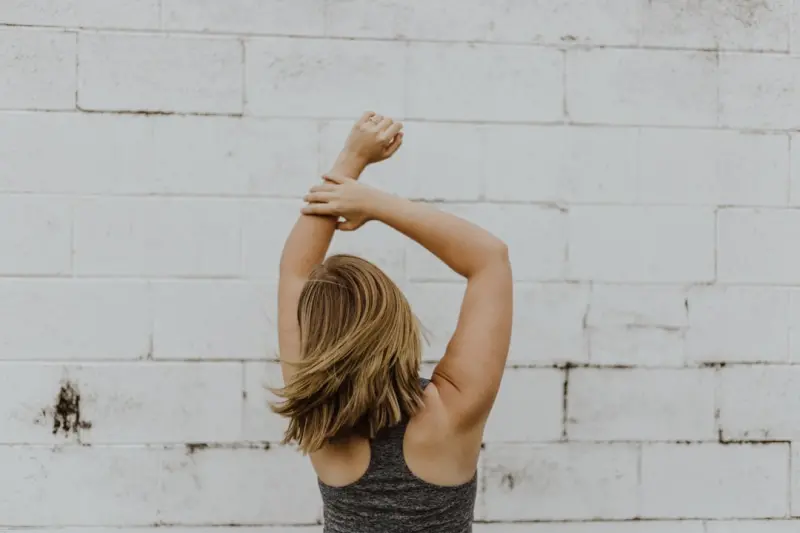
Gut Feeling: Everyday Practices to Strengthen Your Microbiome
Explore actionable, science‑backed habits—from fiber‑rich meals and fermented foods to mindful... Read More
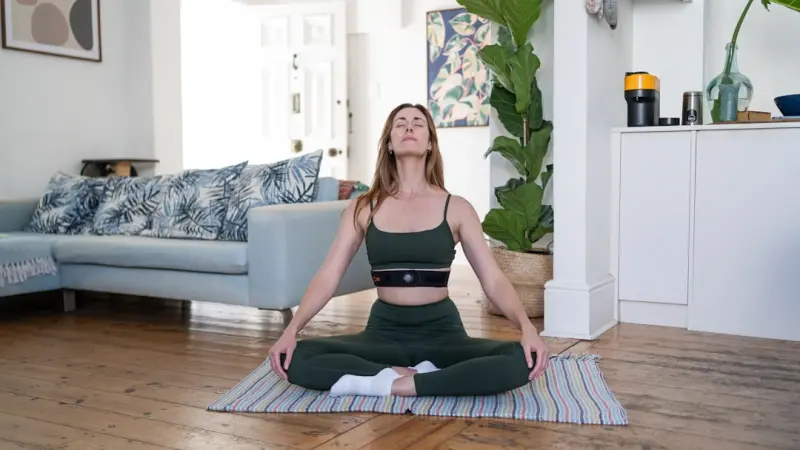
Breathing Into Health: Simple Practices for Immune Strength
Karen Edwards explains why intentional breathing is a powerful, low‑cost tool for strengthening im... Read More

Nurturing Your Gut Microbiome for Better Mood and Energy
Learn how a balanced gut can enhance mood, energy, and creativity through simple dietary swaps, mind... Read More
Top Posts

Rewiring Calm: How Simple Breathwork Can Transform Modern Health
A practical guide to integrating breathwork into daily life, showing how controlled breathing can calm the nervous system, enhance performance, and foster emoti...Read More
The Sensory Expedition: Rethinking Personal Care as an Adventure
By treating daily grooming as a sensory expedition—engaging touch, scent, sound, sight, and taste—you can turn routine personal care into a mindful adventur...Read More
Internal Networking: Turning Relationships into Career Capital
Learn a tactical playbook for building authentic internal relationships that become powerful career capital, from micro‑interactions to reverse mentorship....Read More
Redefining Connection: How to Build Healthy Digital Boundaries for Mental Clarity
Learn how intentional offline windows, purposeful spaces, and community support can transform your relationship with technology, restoring mental clarity and em...Read More
0 Comments
Post Comment
You will need to Login or Register to comment on this post!