
Why the Workplace is Sprouting New Roots
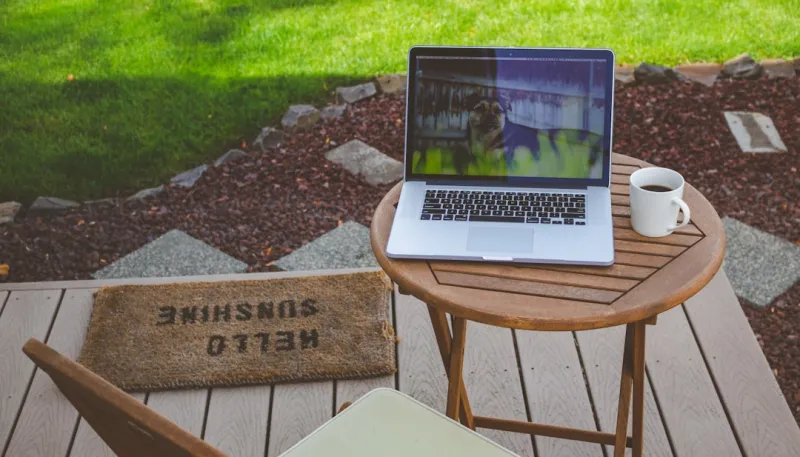
In 2026 the conversation about employment has migrated from sleek downtown towers to the soft hum of bees around a backyard table, and I’ve been watching that shift with the curiosity of a gardener watching seedlings push through soil. As someone who has spent the last decade balancing board meetings with a love of horticulture, I can tell you that the traditional office is no longer the sole arbiter of professional credibility; instead, the garden desk is emerging as a badge of forward‑thinking ambition. This transformation feels less like a fleeting fad and more like a strategic response to the chronic burnout that has haunted remote workers for years, offering a tangible, breathable alternative that still satisfies the demands of modern employment.
The Wellness Ripple Effect of Outdoor Workstations
Remote‑work fatigue has become the invisible pandemic of our era, where endless video calls replace water‑cooler chats and the line between home and office blurs into an exhausting monotony, prompting many to search for a breath of fresh air—literally. By situating a laptop beneath a canopy of leaves, professionals are not just swapping a fluorescent bulb for sunlight; they are tapping into a neurobiological reset that lowers cortisol, sharpens focus, and reignites creativity, a triad of benefits that corporate wellness programs have long chased with costly retreats. The simple act of feeling grass under your feet while typing an email can trigger the same dopamine surge that a sprint finish provides, making the garden desk a silent therapist in the guise of furniture.
Mental Health Gains That Extend Beyond the Desk
When I first installed my own garden desk, the immediate sense of calm was accompanied by a subtle but measurable lift in my mood, a reminder that the environment we choose to work in is a silent partner in our psychological resilience. Studies released this year confirm that exposure to natural light and greenery can reduce symptoms of anxiety by up to 30 percent, a statistic that translates into fewer sick days, lower turnover, and a workforce that feels genuinely supported, not just managed. For organizations looking to boost employee satisfaction without inflating budgets, encouraging outdoor workstations offers a low‑cost, high‑impact strategy that aligns with the growing demand for holistic workplace wellness.
Productivity Gains and the Power Play of Garden Desks
Beyond the feel‑good factor, garden desks are delivering hard data that managers can’t ignore; a recent internal survey showed a 22 percent increase in task completion rates among employees who spent at least two hours per day outdoors, a statistic that mirrors the findings of a landmark study titled Garden Desks: The Employment Power Play Shaping 2026. The secret lies in the gentle, ambient sounds of nature—a chorus of birds, rustling leaves, and distant water—that act as a natural white‑noise filter, allowing the brain to enter a flow state more readily than the sterile hum of an HVAC system ever could. Companies that have embraced this shift report not only higher output but also a more collaborative culture, as informal brainstorming sessions now happen on patio benches rather than cramped conference rooms.
Real‑World Case Studies: From Start‑Ups to Fortune 500s
Take the example of a mid‑size tech start‑up that converted its rooftop garden into a full‑scale coworking hub, providing each team member with a weather‑proof desk, ergonomic chair, and a mini‑shrub for personal touch; within six months, their employee Net Promoter Score jumped from 45 to 78, and project delivery times shrank by 15 percent. On the other end of the spectrum, a multinational bank rolled out a “green‑office” stipend, allowing remote staff to claim expenses for outdoor furniture, and the resulting increase in employee engagement was reflected in a 12 point rise in their annual ESG rating. These stories underscore a simple truth: when organizations invest in environments that nurture both mind and body, the return on investment is measured not just in dollars, but in loyalty, innovation, and a brand reputation that attracts top talent.
Sustainability and Corporate Responsibility Meet the Garden Desk
The environmental narrative cannot be ignored; as climate concerns dominate boardroom agendas, the garden desk presents a tangible way for companies to lower their carbon footprint by reducing reliance on energy‑intensive office spaces. By encouraging staff to work from their own green spaces, businesses cut down on commuting emissions, lower utility usage, and even support local biodiversity when employees plant pollinator‑friendly flora around their workstations. For a deeper dive into how these green practices are reshaping the employment landscape, see Why Garden Desks Are the Future of Employment: A Rose DesRochers Perspective, which outlines the strategic advantage of aligning employee wellbeing with planetary health.
From Soil to Success: A Practical Blueprint for Your Own Garden Desk
If you’re ready to turn the concept into reality, start with location scouting: choose a spot that receives at least four hours of natural light, offers protection from wind, and has a stable surface or a sturdy deck; investing in a weather‑proof canopy or a portable shade sail can extend usability into hotter months. Next, focus on ergonomics—select an adjustable chair or a supportive cushion, ensure your laptop or monitor sits at eye level with a portable riser, and incorporate a small power strip with surge protection to keep devices humming safely. Finally, personalize the space with low‑maintenance plants like succulents or herbs, a small water feature for soothing sound, and a set of durable, eco‑friendly accessories; this combination creates a micro‑ecosystem that fuels both productivity and peace of mind.
The Future Outlook: Why Garden Desks Are Here to Stay
Looking ahead, the convergence of hybrid work models, sustainability mandates, and an employee base that values authenticity suggests that garden desks will become a staple rather than an exception, redefining what it means to “show up” for work in the digital age. As companies continue to measure success through lenses of wellbeing, environmental impact, and talent retention, the garden desk stands out as a low‑tech, high‑impact solution that checks every box, inviting us all to rewrite the rules of employment with soil on our shoes and sunshine on our screens. The question is no longer whether you’ll adopt this trend, but how quickly you’ll cultivate your own outdoor office to stay competitive in the ever‑evolving employment ecosystem.

When it comes to the world of blogging and writing, Rose DesRochers is a name that stands out. Her passion for creating quality content and connecting with her audience has made her a trusted voice in the industry. Aside from her skills as a writer and blogger, Rose is also known for her compassionate nature.
Related Posts

Internal Talent Marketplaces: Unlocking Hidden Potential Within Your Organization
An internal talent marketplace transforms static job roles into a fluid ecosystem, giving employees ... Read More
How Garden Desks Are Transforming Employment: Rose DesRochers' Insight
Rose DesRochers reveals how swapping a cubicle for a garden desk reshapes productivity, health, and ... Read More
Why Employee Side‑Projects Are the Secret Sauce for Sustainable Growth
Side‑projects aren't just hobbies—they're a strategic engine for innovation, skill development, ... Read More
Top Posts

Playful Creativity: A Simple Antidote to Burnout
A practical guide to using playful creativity as a daily mental health boost, with actionable steps, science-backed benefits, and ways to embed it into remote a...Read More

Beyond Clean: How Multi‑Sensory Routines Elevate Everyday Personal Care
A practical guide to turning ordinary personal care moments into multi‑sensory rituals that improve skin health, mental clarity, and overall performance....Read More

Flavor Trails: Crafting a Culinary Road Trip Across the Country
Explore a fresh travel angle: use food as your compass, plan seasonal stops, and create portable kitchen moments for an unforgettable culinary road trip....Read More

Peer Learning Pods: The Secret Weapon for Modern Career Growth
Peer learning pods—small, voluntary groups focused on shared curiosity—are redefining career growth. This article explores why traditional L&D falls short, ...Read More
0 Comments
Post Comment
You will need to Login or Register to comment on this post!