
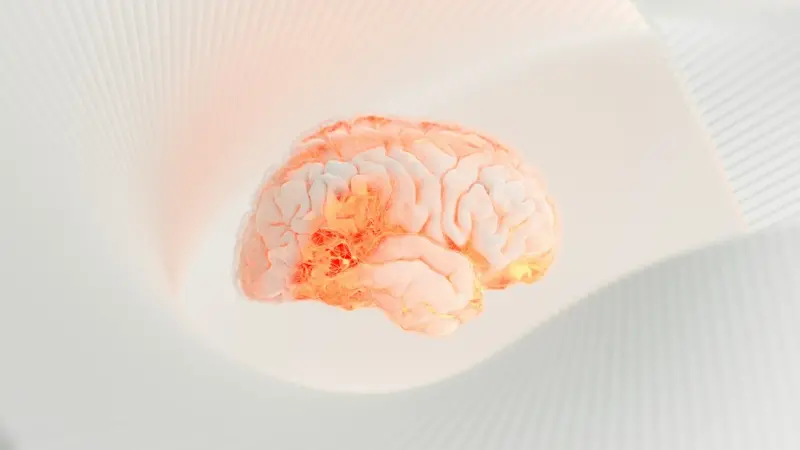
When the inbox pings, the calendar beeps, and the next Zoom call looms, it’s easy to think that mental health is a luxury you schedule after the “real work” gets done. I’ve spent the last decade juggling product launches, sprint retrospectives, and a never‑ending stream of stakeholder emails, and I’ve learned the hard way that the brain is not a machine that thrives on constant overload. It craves, quite literally, a moment to breathe.
What a “tiny pause” really means
Imagine you’re reading a novel and the author drops a paragraph of vivid description. You don’t rush through it; you linger, let the words settle, and then you return to the plot with fresh perspective. A tiny pause works the same way for the mind. It’s a deliberately brief interval—anywhere from five to fifteen seconds—where you step away from the task, change your sensory input, and let the nervous system reset.
These pauses are not the same as the “coffee‑break culture” that many offices still cling to. Coffee breaks are often scheduled, social, and sometimes feel like another item on the to‑do list. A tiny pause, by contrast, is an intentional micro‑ritual that you can embed anywhere: between emails, during a code review, or while waiting for a document to upload. The goal isn’t to get more done; it’s to give your brain the space it needs to process, reorganize, and emerge stronger.
Why tiny pauses matter for mental health
Neuroscience tells us that the prefrontal cortex—the part of the brain responsible for decision‑making, emotional regulation, and focus—gets fatigued after roughly 90 minutes of sustained attention. When fatigue sets in, the amygdala (our “alarm” system) fires up, leading to irritability, anxiety, and a drop in creative problem‑solving. Tiny pauses act as a reset button, allowing the prefrontal cortex to recharge while the amygdala quiets down.
Research on the default mode network (DMN) shows that brief periods of mind‑wandering actually boost memory consolidation and insight. In other words, letting your thoughts drift for a moment can help you solve a problem you’ve been stuck on for hours. This isn’t daydreaming in the “waste of time” sense; it’s a strategic mental off‑switch that fuels resilience.
Designing your personal pause toolkit
Every individual has a unique set of triggers that either calm or stress them. Below is a quick checklist you can use to build a toolkit of tiny‑pause actions that align with your personality and work environment.
- Sensory Switch: Change one sense for a few seconds. Close your eyes and listen to ambient sound, or stare at a single object and notice its texture.
- Micro‑Stretch: Raise your arms overhead, roll your shoulders, or do a quick neck roll. The movement releases tension without pulling you away from your desk.
- Breath Anchor: Inhale for four counts, hold for two, exhale for six. Repeat once or twice. This simple rhythm signals the parasympathetic nervous system to calm down.
- Digital Declutter: Physically look away from the screen, or flip your phone to airplane mode for ten seconds. This reduces the dopamine spikes that keep us glued to notifications.
- Micro‑Gratitude: Silently name one thing you’re grateful for right now. Gratitude activates the brain’s reward centers, counteracting stress hormones.
Try pairing two or three of these actions together in a sequence that feels natural. The key is consistency: the brain learns to associate these micro‑rituals with a safety cue, and over time you’ll notice a measurable lift in focus and mood.
Embedding tiny pauses into the workflow
One of the biggest challenges is making pauses feel like an integral part of the day rather than a disruptive afterthought. Here are three proven strategies for weaving them into a typical workday.
1. The “End‑of‑Task” Buffer
After you click “send” on an email or close a ticket, give yourself a five‑second buffer before moving on to the next item. Use this moment to stretch, look out the window, or simply take a slow breath. This tiny habit creates a mental boundary between tasks, reducing the cumulative stress of rapid task‑switching.
2. The “Calendar Slot” Method
Instead of blocking out a full 15‑minute break, schedule a series of one‑minute “pause slots” throughout the day. They can be placed after meetings, before presentations, or even during a long spreadsheet session. Because they’re in your calendar, you’re less likely to overlook them, and because they’re short, they don’t feel like lost productivity.
3. The “Ambient Cue” Trigger
Pick a subtle environmental cue—like the hum of the office air conditioner, the chime of a coworker’s notification, or a specific plant in the office. When you notice the cue, pause for a breath or a stretch. Over time, the cue becomes a Pavlovian signal for relaxation.
These techniques work especially well when paired with broader mental‑health initiatives. For instance, many teams have started using a personal mental health dashboard that visualizes stress levels, sleep quality, and focus metrics. By integrating tiny pauses into the data points you track, you can see in real time how those short breaks improve your baseline calm.
From personal practice to organizational culture
If you’ve successfully adopted tiny pauses for yourself, consider championing them at the team level. Here’s how you can turn an individual habit into a cultural asset.
- Model the behavior: Lead by example in meetings. Take a breath before you begin speaking, and invite others to do the same.
- Share the toolkit: Distribute a one‑page cheat sheet (like the checklist above) during onboarding or wellness workshops.
- Celebrate micro‑wins: Highlight stories where a brief pause led to a breakthrough idea or diffused a tense situation.
- Link to existing programs: If your company already practices job crafting, frame tiny pauses as a micro‑form of crafting one’s daily rhythm.
When tiny pauses become a shared language, they help build psychological safety. Team members feel empowered to step back, reflect, and then re‑engage with fresh eyes—a subtle shift that can dramatically improve collaboration and reduce burnout.
Measuring the impact
It’s natural to wonder whether a few seconds truly make a difference. The answer lies in both subjective experience and objective data.
Subjective markers include feeling less frazzled, noticing an increase in creative ideas, or simply reporting a more “stable” mood throughout the day. You can capture these insights through quick end‑of‑day reflections or pulse surveys.
Objective markers can be tracked using simple tools. Many wearable devices already monitor heart‑rate variability (HRV), a reliable indicator of stress resilience. By pairing HRV data with your pause schedule, you can see a correlation between regular tiny pauses and higher HRV scores, which translates to better stress management.
For teams that adopt a data‑driven approach, integrating pause metrics into a personal mental health dashboard can make the benefits visible to everyone. The dashboard can display trends, highlight peak stress periods, and suggest optimal pause times based on collective patterns.
Common myths debunked
Myth 1: Pauses are only for “slow” workers. In reality, high‑performers often use micro‑pauses to maintain peak output. The secret is not the length of the break, but the intentionality behind it.
Myth 2: Pauses waste time. Research shows that brief breaks can increase overall productivity by up to 15% because they reduce errors and improve focus.
Myth 3: You need a quiet space. Tiny pauses are adaptable. Even a noisy open office can become a backdrop for a quick sensory switch—close your eyes and focus on the sound of a distant printer, for example.
Integrating tiny pauses with other wellness practices
If you already practice mindfulness meditation, yoga, or regular exercise, tiny pauses complement those habits by filling the gaps between them. Think of them as the “glue” that keeps your mental muscles flexible throughout the day.
For example, after a 10‑minute yoga stretch, you might add a series of three micro‑breaths before returning to work. Or, if you’re a fan of the “digital sunset”—turning off devices an hour before bed—use the last five minutes as a series of tiny pauses to transition smoothly from screen time to rest.
Future‑proofing your mental health
As remote work and hybrid models become the norm, the boundaries between personal and professional time blur. Tiny pauses act as a portable mental‑health safeguard that you can deploy anywhere: at a coworking desk, a home office, or even on a train.
Looking ahead, I foresee organizations building “pause‑friendly” platforms—software that nudges you to take a breath when you’ve been typing for a set period, or that integrates pause data into performance dashboards. Until then, the power remains in your hands (or fingertips). By adopting tiny pauses today, you’re not just coping with today’s stress; you’re training your brain for a more resilient tomorrow.
So the next time you feel the urge to power through that endless spreadsheet, remember: a five‑second pause isn’t a delay—it’s an investment. Your brain, your mood, and your team will thank you.

Jessica Gills is a freelance writer carving a niche for herself by empowering others through her words. With a focus on careers, self-development, and business, she helps readers navigate the complexities of the modern professional landscape.
Related Posts
Playful Creativity: A Surprising Antidote to Anxiety
Learn why integrating playful creativity into your routine can reduce anxiety, improve mood, and str... Read More

Rewriting Your Inner Story: A Fresh Path to Mental Wellness
Learn a practical three‑step method to identify, challenge, and rewrite the internal stories that ... Read More

Crafting Calm: How Hand‑Made Activities Rewire Stress
Discover the science behind tactile activities such as knitting, origami, and beadwork, and learn pr... Read More
Top Posts

Reverse Mentoring: Turning Generational Gaps into Growth Engines
Reverse mentoring flips traditional mentorship, pairing younger talent with senior leaders to share digital fluency, fresh perspectives, and industry wisdom—c...Read More
Beyond the Screen: Crafting a Mental Health Routine for the Hyper‑Connected Age
A practical guide to safeguarding mental health in our always‑online lives, blending micro‑pauses, gentle movement, social micro‑rituals, and reflective f...Read More

Walking Meetings: The Unexpected Health Hack for Modern Teams
Walking meetings replace sedentary boardroom sessions with movement, offering a simple, science-backed way to boost health, spark creativity, and strengthen tea...Read More

When AI Becomes Your Brainstorm Buddy: A Playbook for Human‑Centric Ideation
A practical guide shows how to blend generative AI with human insight, turning chaotic brainstorming sessions into focused, high‑impact ideation that preserve...Read More
0 Comments
Post Comment
You will need to Login or Register to comment on this post!