
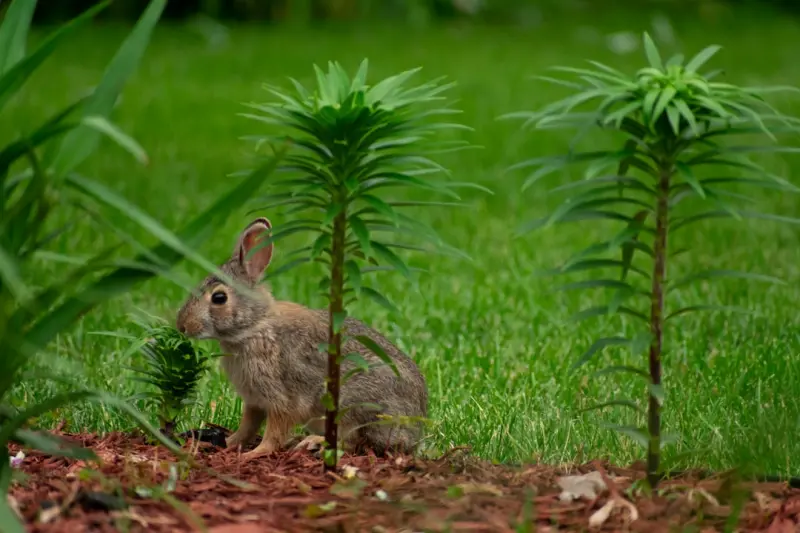
Why a Wildlife‑Friendly Backyard Matters
Transforming a regular garden into a bustling wildlife sanctuary does more than just add visual charm; it restores ecological balance, supports pollinator populations, and creates a living classroom for curious minds. Native insects, birds, and beneficial mammals find food, shelter, and breeding grounds, which in turn naturally curb pests and improve soil health, turning your outdoor space into a self‑sustaining ecosystem that rewards you with song, color, and a sense of stewardship.
Assessing Your Space and Setting Goals
The first step is a realistic audit of sunlight exposure, soil type, and existing structures, because every successful habitat begins with a clear map of what nature already offers. Decide whether you aim to attract hummingbirds, ground‑dwelling beetles, or even small mammals, then sketch a simple layout that reserves zones for food plants, water sources, and shelter, ensuring each element compliments the others in a harmonious, goal‑driven design.
Choosing Native Plants for Habitat
Native flora is the cornerstone of any thriving wildlife garden, as local species have co‑evolved with the insects and birds that depend on them for nectar, seeds, and foliage. Plant a layered mix of flowering perennials, seed‑bearing grasses, and fruit‑bearing shrubs that bloom at staggered intervals, creating a continuous buffet from early spring through late fall; this diversity not only attracts a wider array of pollinators but also supports larvae that become the very predators that keep garden pests in check.
Water Features That Invite Life
A reliable water source is a magnet for thirsty birds, amphibians, and beneficial insects, and it can be as simple as a shallow birdbath with a sloped edge or a recirculating pond that mimics a natural wetland. Keep the water clean by refreshing it weekly and adding a few flat stones for safe landing; the gentle ripple and reflective surface also provide essential hydration and a calming focal point that encourages wildlife to linger and explore nearby plantings.
Providing Shelter: From Insects to Birds
Safe havens such as log piles, rock crevices, and purpose‑built nest boxes give shy creatures a place to hide from predators and harsh weather, dramatically increasing the likelihood they will settle and reproduce in your garden. Install a few sturdy birdhouses at varying heights, leave deadwood in a corner to host solitary bees, and scatter brush bundles to create ground‑level cover for frogs and beneficial beetles, thereby building a multi‑tiered refuge network that supports life at every level.
Eco‑Friendly Pest Management
When you invite beneficial wildlife, you naturally reduce the need for chemical interventions; predatory insects and insect‑eating birds become your frontline defense against aphids, caterpillars, and other garden nuisances. For those moments when a problem spikes, turn to the principles outlined in Backyard Alchemy and craft simple traps or repellent sprays from garden waste, ensuring every solution remains biodegradable and friendly to the ecosystem you’re nurturing.
Creating Vertical Sanctuaries
Limited ground space doesn’t have to limit wildlife potential; vertical structures such as trellises, living walls, and stacked planters can host climbing vines, flowering climbers, and seed‑producing herbs that attract nectar‑loving insects and provide perching spots for small birds. By applying the techniques from Vertical Garden Mastery, you can turn a plain fence into a layered habitat corridor, allowing creatures to move upward and outward, expanding the garden’s ecological footprint without sacrificing aesthetics.
Seasonal Maintenance Tips
Seasonal stewardship keeps the habitat vibrant: prune dead foliage in late winter to open up sunlight, mulch in early spring to retain moisture and protect ground‑nesting insects, and replace water in birdbaths before the heat of summer dries up. In autumn, leave seed heads standing to feed finches and sparrows, and gather fallen leaves into tidy piles that become winter shelters for ladybugs and other overwintering allies, ensuring the garden remains a year‑round refuge.
Measuring Success and Adjusting
Track your progress by keeping a simple wildlife journal, noting species visits, nesting activity, and plant performance; this data reveals which elements are thriving and which may need tweaking. Over time, you may discover that adding a few more native nectar sources or adjusting the height of a birdbox boosts visitation rates, allowing you to fine‑tune the habitat for optimal biodiversity and personal satisfaction.

Jimmy Damon loves to right on a large scale of topics with all things Canadian as this Montreal die hard loves hockey. fishing and sports.
Related Posts

Breathe Easy: Transform Your Home into a Healthy Haven with Simple Air‑Quality Hacks
A practical guide to elevating indoor air quality with plants, humidity control, mindful materials, ... Read More

Cultivating Productivity: The Joy of Working From a Garden Desk
Explore the benefits of a garden desk—from heightened focus and wellness to eco‑friendly practic... Read More

Crafting a Low‑Maintenance Xeriscape Oasis for Busy Homeowners
Transform your yard into a low‑maintenance xeriscape oasis that saves water, reduces upkeep, and s... Read More
Top Posts

Finding Freedom on the Road: How a Digital Detox Transforms Travel
A digital detox isn’t just a trend—it’s a pathway to deeper, more meaningful travel. Learn why turning off devices, choosing low‑connectivity destinatio...Read More

Playful Mental Fitness: Gamify Your Daily Routine for a Healthier Mind
Learn how simple, game‑like tweaks to daily routines can strengthen mental resilience, sharpen focus, and bring more joy to work and life....Read More

Negotiating Flexible Work Contracts in the Modern Gig Economy
Discover proven strategies for negotiating flexible gig contracts, from data‑driven pricing to AI‑enhanced drafting, ensuring fair pay and sustainable clien...Read More

Laughter as a Mental Health Superpower
A fresh look at how intentional laughter and playful activities act as powerful tools for mental health, offering practical ways to integrate humor into everyda...Read More
0 Comments
Post Comment
You will need to Login or Register to comment on this post!