
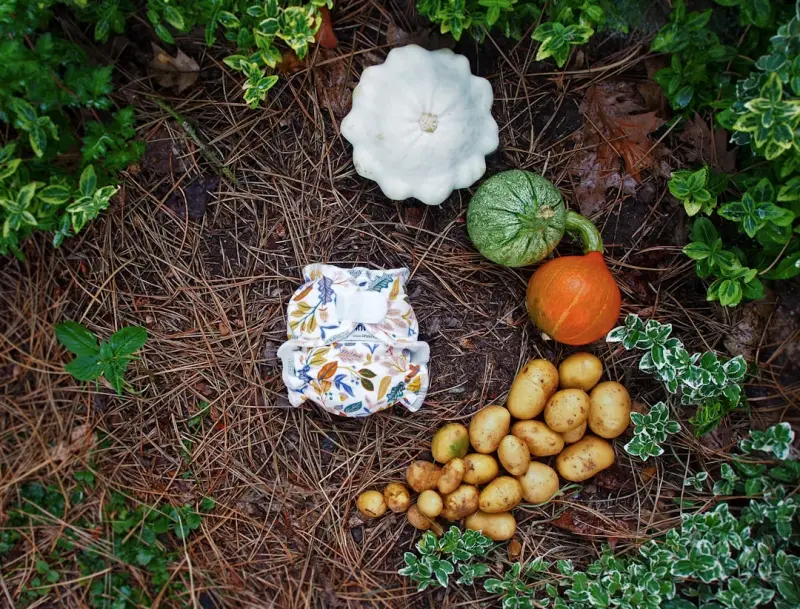
Why Small‑Space Edibles Matter
Living in a city doesn’t have to mean surrendering the joy of fresh, home‑grown food; even a balcony, a windowsill, or a modest patio can become a productive kitchen garden. Growing your own vegetables and herbs cuts grocery bills, reduces food miles, and reconnects you with the seasons in a way that supermarkets simply cannot replicate. In this guide I’ll share the strategies I use to turn limited square footage into a thriving, low‑maintenance edible oasis that feeds both body and soul.
Assess Your Micro‑Climate Before You Plant
The first step is a honest audit of the light, wind, and temperature patterns that define your space; a sunny corner that basks for six hours or more is a gold mine, while a shaded balcony may need shade‑loving varieties or reflective surfaces. Take notes on how the sun moves across the day, and consider using a simple garden journal or a smartphone app to track temperature swings that could stress seedlings. Understanding these nuances lets you match crops to conditions, preventing the heartbreak of wilted lettuce and the disappointment of over‑ripe tomatoes.
Select Compact, High‑Yield Crops
Not all vegetables are created equal when space is at a premium; choosing compact, productive varieties is the secret sauce to a successful tiny garden. Opt for dwarf tomato cultivars, bush beans, baby carrots, and leafy greens such as arugula or spinach that can be harvested continuously. Below is a quick reference list to get you started:
- Dwarf ‘Patio’ tomato – produces full‑size fruit on a small plant.
- Bush snap peas – vertical growth without a trellis.
- ‘Little Gem’ lettuce – a butter‑soft head perfect for containers.
- Herb mix (basil, chives, thyme) – aromatic and space‑saving.
These selections pack a punch in flavor and yield while staying comfortably within the confines of a balcony railing or windowsill.
Build a Living Soil Foundation
Healthy soil is the engine of any garden, and in containers it’s even more critical because nutrients can leach quickly; start with a high‑quality potting mix blended with compost, worm castings, and a pinch of perlite for drainage. Before planting, enrich the medium with a slow‑release organic fertilizer that feeds roots over weeks, reducing the need for frequent feeding. A well‑balanced substrate not only fuels vigorous growth but also buffers plants against temperature fluctuations common in small‑space environments.
Smart Planting Techniques for Maximum Output
When you’re limited to a few square feet, every inch counts, so employ planting methods that layer crops vertically and horizontally; intercropping fast‑growing radishes beneath slower‑maturing carrots creates a productive double‑crop system. Space plants according to their mature size, but remember that many leafy greens tolerate close planting and will continue to produce new leaves when harvested correctly. Companion planting—such as pairing basil with tomatoes—can deter pests naturally and enhance flavor, turning a modest plot into a mini‑ecosystem of mutual benefit.
Water Wisely with Eco‑Friendly Irrigation Hacks
Consistent moisture is a cornerstone of edible success, yet over‑watering is a common pitfall that wastes precious resources; installing a simple drip‑line or self‑watering containers can deliver water directly to the root zone and cut evaporation. For those who love a DIY approach, the eco‑friendly irrigation hacks guide offers budget‑friendly ways to recycle rainwater and automate watering with timer‑controlled pumps. Pairing these techniques with a mulch layer—such as shredded bark or straw—helps retain soil moisture and suppress weeds, creating a resilient watering regimen that supports continuous harvests.
Embrace Natural Pest Management
In a compact garden, chemical sprays can quickly become a problem, so turn to organic allies like neem oil, insecticidal soap, or homemade garlic‑pepper sprays to keep aphids, slugs, and whiteflies at bay. Introduce beneficial insects such as ladybugs or predatory nematodes, which thrive in container environments and provide long‑term pest control without harming your crops. Regularly inspect leaves and stems, and practice “crop rotation” within your containers by swapping plant families each season to break pest life cycles.
Harvest, Preserve, and Extend Your Bounty
The reward of a small‑space garden is the daily pleasure of snipping fresh herbs or picking crisp lettuce, but timing your harvest is key to prolonging production; harvest outer leaves first and pinch tomatoes when they reach a uniform color for the best flavor. To make the most of a bumper crop, explore preservation methods such as quick‑pickling, freezing herb cubes in oil, or drying tomato slices in a low‑heat oven. These techniques not only reduce waste but also allow you to enjoy the garden’s bounty well beyond the growing season.
Share the Harvest and Grow Community
One of the most fulfilling aspects of a tiny edible garden is the opportunity to share excess produce with neighbors, friends, or local food banks, turning your balcony into a hub of generosity and conversation. Organize a mini‑swap where you exchange surplus herbs for a neighbor’s home‑grown eggs or a slice of homemade bread, fostering a sense of community that extends beyond the garden fence. For inspiration on expanding vertically, the vertical garden techniques article offers creative ideas to stack herbs and greens, maximizing output while keeping the garden accessible for all ages.

When it comes to the world of blogging and writing, Rose DesRochers is a name that stands out. Her passion for creating quality content and connecting with her audience has made her a trusted voice in the industry. Aside from her skills as a writer and blogger, Rose is also known for her compassionate nature.
Related Posts

Bright Nights: Crafting a Smart Outdoor Lighting Experience
Explore how to transform your backyard or patio with smart, layered lighting that blends ambiance, s... Read More

Cultivating a Backyard Wildlife Oasis: Simple Steps for Every Homeowner
Discover a step‑by‑step guide to transforming a modest backyard into a vibrant wildlife oasis, u... Read More
Cultivating Productivity: Rose DesRochers’ Guide to the Garden Desk Revolution
Rose DesRochers shares her personal journey, design tips, and future trends for garden desks, showin... Read More
Top Posts
Cultivating a Remote‑Work Oasis: How to Turn Your Garden into a Year‑Round Productivity Hub
Jimmy Damon shares expert tips to turn any garden into a productive, cozy home office—covering design, seasonal planting, smart irrigation, and sustainable pr...Read More
The Hidden Power of Everyday Home Tweaks: Boost Comfort, Save Money, and Reduce Stress
Learn how tiny, often overlooked adjustments—like optimizing entryways, passive cooling, acoustic fixes, and micro‑rituals—can transform your home into a ...Read More

Quiet Corners: Mastering Home Acoustics for Focus and Calm
Learn how to assess, treat, and maintain the acoustic environment in your home with simple DIY projects, smart tech solutions, and seasonal tips, turning noisy ...Read More
Jimmy Damon’s Green Workspace: How My Garden Desk Redefines Home & Garden Living
Jimmy Damon shares his personal journey of turning a garden desk into a thriving, eco‑friendly workspace that boosts productivity, wellness, and community con...Read More
0 Comments
Post Comment
You will need to Login or Register to comment on this post!