

Why the Traditional Career Ladder Is Crumbling
In the past decade the idea of a single, linear climb up a corporate hierarchy has been replaced by a mosaic of short‑term projects, freelance gigs, and hybrid roles that demand constant adaptation, and this shift is reshaping how we think about employment on a daily basis. Employers now reward agility over tenure, looking for people who can pivot quickly, learn on the fly, and bring fresh perspectives to ever‑changing business challenges, which means the old rulebook of “stay put and wait for promotion” no longer applies. As a result, professionals who embrace uncertainty and view each contract as a stepping stone toward a larger, self‑crafted narrative find themselves not just surviving, but thriving in an environment that prizes versatility as much as expertise.
Crafting a Personal Brand That Gets Noticed
When your résumé becomes a living document that lives online, the power of a well‑curated personal brand can eclipse even the most impressive list of past titles, because hiring managers now start their search with a Google query or a LinkedIn profile before they ever pick up a paper CV. To stand out, focus on a clear value proposition—what unique combination of skills, experiences, and personality traits you bring to the table—and weave that story consistently across every platform, from your portfolio website to the comments you leave on industry forums. The payoff is measurable: a strong brand not only attracts higher‑quality opportunities but also shortens the sales cycle of your own services, turning passive browsers into active clients with far less effort.
Skill Stacking: The New Competitive Edge
Instead of chasing a single, deep specialization, modern professionals are adopting the practice of “skill stacking,” which involves pairing complementary abilities—such as data analysis with storytelling, or design with basic coding—to create a unique hybrid that is difficult for competitors to replicate. This approach leverages the exponential value of combined competencies; for example, a marketer who can also build simple dashboards will not only generate insights but also present them in a visually compelling way, dramatically increasing impact and visibility within a team. As automation takes over routine tasks, the human advantage increasingly lies in the ability to synthesize disparate knowledge streams, making skill stacking a vital strategy for long‑term career resilience.
Setting Digital Boundaries for Sustainable Remote Work
Remote work offers freedom, yet without clear digital boundaries it can quickly erode personal well‑being, leading to burnout, blurred work‑life lines, and a constant feeling of being “on call.” Implementing intentional habits—like designating a “shutdown” ritual at the end of each day, using separate browsers for work and personal browsing, and establishing “focus blocks” where notifications are silenced—creates mental space that protects creativity and reduces fatigue. For a deeper dive into protecting your mental clarity while navigating the endless stream of online demands, check out Redefining Connection: How to Build Healthy Digital Boundaries for Mental Clarity, which offers practical steps that translate directly into a healthier remote routine.
Micro‑Breaks That Boost Cognitive Performance
Even the most disciplined remote worker can fall into the trap of marathon sessions that drain focus, but research shows that short, intentional pauses—often called micro‑breaks—reset the brain’s attention network and dramatically improve information retention. One effective technique is to step away for a minute and practice a simple breathing exercise or a quick visual scan of the horizon, which re‑oxygenates the mind and reduces stress hormones; these tiny intervals compound into a noticeable rise in overall productivity across the workday. To explore a structured version of this practice, see Micro‑Meditation at Work, a guide that transforms brief pauses into powerful moments of clarity.
Designing a Remote Workspace That Fuels Productivity
Physical environment remains a cornerstone of performance, and a cluttered desk can subtly sabotage focus, creativity, and even confidence, especially when the line between home and office is already thin. Applying principles of smart organization—such as using vertical storage, clear zones for active work versus passive reference, and ergonomically optimized furniture—creates a visual calm that signals to the brain that it’s time to concentrate; a tidy space also reduces decision fatigue, freeing mental bandwidth for high‑value tasks. For clever storage ideas that can be adapted to even the smallest apartments, explore Smart Storage Strategies to Transform Small Spaces, which offers practical, low‑cost solutions that translate seamlessly into a professional home office.
Continuous Learning as a Career Safety Net
In a landscape where new tools and platforms emerge weekly, committing to lifelong learning is no longer optional—it’s a safety net that protects against obsolescence and opens doors to unexpected opportunities. Set aside a regular “learning hour” each week, rotate between formal courses, industry webinars, and peer‑to‑peer knowledge sharing, and track progress in a visible log that you can reference during performance reviews or client pitches. By treating education as a recurring investment rather than a one‑off event, you build a dynamic skill portfolio that not only keeps you relevant but also positions you as a thought leader within your niche.
Strategic Networking in a Virtual World
While coffee‑shop meetups have given way to Zoom rooms, the fundamentals of effective networking remain the same: authenticity, value exchange, and consistency. Start by identifying online communities—Slack channels, Discord servers, or niche LinkedIn groups—where your target audience congregates, then contribute thoughtful commentary, share useful resources, and occasionally host a short virtual workshop to demonstrate expertise. Over time, these low‑pressure interactions evolve into genuine relationships that can translate into referrals, collaborations, or even full‑time offers, proving that a well‑nurtured digital network can be as powerful as any in‑person circle.
Negotiating Compensation in a Gig‑Centric Economy
As more professionals shift toward contract work, the art of compensation negotiation has become both more complex and more critical, requiring a blend of market research, confidence, and transparent communication about value. Begin by benchmarking rates against industry standards using platforms that aggregate freelance pricing, then factor in unique elements you bring—such as a proven track record, proprietary processes, or rapid turnaround times—to justify premium pricing; remember that many clients are willing to pay more for reliability and reduced risk. Present your proposal with a clear breakdown of deliverables, timelines, and milestones, and be prepared to discuss alternatives like retainer arrangements or performance‑based bonuses, which can align incentives and secure long‑term income streams.
Turning Uncertainty Into Opportunity: The Future of Work Is Yours to Shape
Embracing the fluid nature of modern employment means viewing each change—not as a threat—but as a chance to redesign your professional identity, expand your influence, and align work with personal purpose. By cultivating a strong personal brand, stacking complementary skills, safeguarding digital well‑being, and continuously investing in learning and relationships, you create a resilient career architecture that thrives regardless of market fluctuations. The future of work is no longer a predetermined path set by corporations; it is a landscape you actively map, and the tools you adopt today will determine how far and how fast you can travel.

Steph Sanderson is a Toronto-based freelance writer and content creator with a clear passion: crafting compelling articles. With a dedication to clear, engaging prose and a knack for storytelling, Steph brings a wealth of experience to every project.
Related Posts
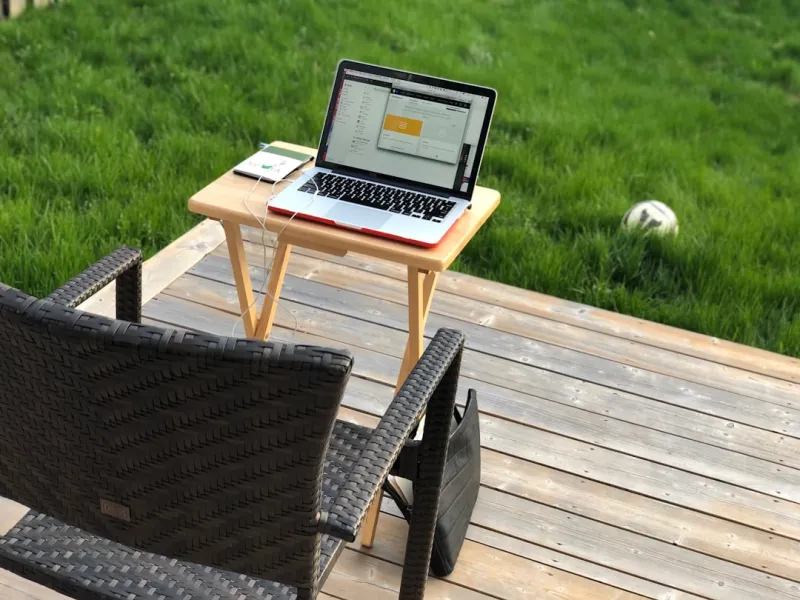
Why Garden Desks Are the Ultimate Employment Game‑Changer in 2026
A personal look at how garden desks are redefining work in 2026—boosting productivity, wellness, a... Read More
Why Portfolio Careers Are the Next Big Shift in Employment
Portfolio careers are redefining employment by letting professionals combine multiple roles and proj... Read More

Why the Four‑Day Workweek Is the Next Big Leap for Employees
Discover why a four‑day workweek isn’t just a perk—it’s a strategic shift that fuels product... Read More
Top Posts

Jimmy Damon’s Garden Desk Revolution: How Green Workspaces Are Redefining Home & Garden Living
Jimmy Damon shares his garden desk transformation, blending nature with work to boost productivity and wellness, and offers practical steps to create your own g...Read More

Garden Desks: Turning Your Backyard into a Productive Oasis
A garden desk isn’t just a trend—it’s a game‑changing workspace that fuses productivity with nature, offering health benefits, tech solutions, and commu...Read More

Reimagining Career Paths: Micro‑Mentoring and Agile Contracts in the Modern Workplace
Traditional career ladders are giving way to fluid growth models. This article examines how micro‑mentoring and agile contracts empower employees to continuou...Read More

Why Garden Desks Are the Future of Employment: Jimmy Damon’s Insight
Jimmy Damon explains how integrating garden desks into remote workspaces can transform productivity, reduce stress, and drive sustainable employment practices....Read More
0 Comments
Post Comment
You will need to Login or Register to comment on this post!