
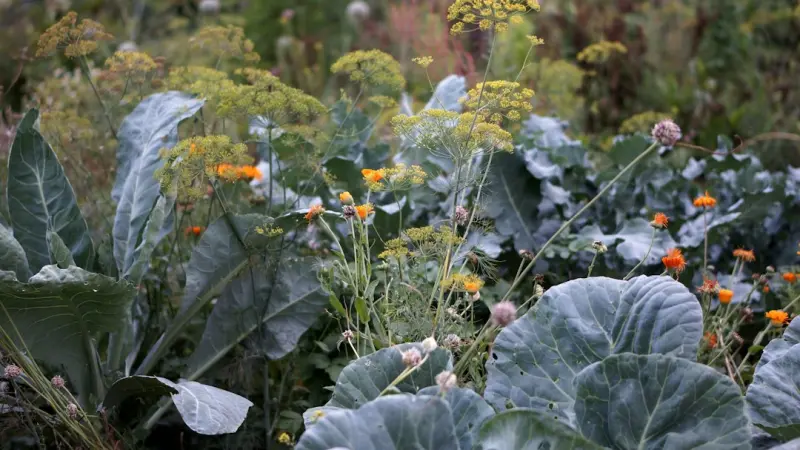
Imagine stepping out into your backyard and being greeted not just by a splash of colour, but by the promise of dinner, dessert, and a late‑night snack—all growing right under your feet. An edible landscape isn’t a trendy fad; it’s a practical, rewarding way to merge aesthetics with nutrition, turning the ordinary garden into a living pantry. In this guide, I’ll walk you through the philosophy, the planning, and the nitty‑gritty details of designing a yard that feeds both the eyes and the belly.
Why an Edible Landscape?
Most homeowners treat their garden as a visual backdrop, a place to showcase ornamental plants that may never see the light of day beyond a photo on Instagram. By contrast, an edible landscape makes every square foot earn its keep. The benefits are threefold:
- Health: Fresh, pesticide‑free produce harvested at peak ripeness packs more nutrients than grocery‑store alternatives.
- Economics: A well‑planned garden can offset a substantial portion of your grocery bill, especially when you grow high‑value crops like herbs, berries, and heirloom vegetables.
- Environment: Reducing food miles, enhancing soil carbon, and supporting pollinators are all natural by‑products of a thriving edible space.
But the true magic lies in the synergy between form and function. When you design with both aesthetics and yield in mind, your garden becomes an extension of your kitchen—a place where inspiration for the next meal grows literally alongside the ingredients.
Planning Your Kitchen‑Garden Zones
The first step is to map out the garden as a series of functional zones, each with a clear purpose. Think of it like the layout of a well‑organized pantry:
- Herb Corner: A sunny, easily accessible strip near the kitchen door for basil, thyme, mint, and cilantro.
- Root Bed: A deeper, loam‑rich area for carrots, beets, and radishes.
- Berry Border: A partially shaded fence line for strawberries, raspberries, and blackberries.
- Perennial Patch: Low‑maintenance plants like asparagus, rhubarb, and artichoke that return year after year.
- Seasonal Rotation Plots: Small raised beds where you can experiment with annual vegetables, swapping crops each season.
Sketch this plan on graph paper or a digital tool, noting sun exposure, wind patterns, and existing structures. Even a modest 500‑square‑foot yard can accommodate a diverse edible tapestry if you allocate space thoughtfully.
Choosing Plants for Flavor and Function
When selecting species, balance culinary desire with growing conditions:
- Sun lovers: Tomatoes, peppers, eggplants, and most herbs thrive in 6‑8 hours of direct sunlight.
- Partial shade champions: Leafy greens like lettuce, spinach, and kale can tolerate 3‑4 hours of sun, making them perfect for north‑facing walls.
- Soil‑specific stars: Blueberries need acidic soil (pH 4.5‑5.5), while carrots prefer loose, sandy loam.
Don’t shy away from culinary “wildcards” like edible flowers (nasturtiums, calendula) or unusual produce such as ground cherries and sunchokes. These add visual interest and expand your palate.
Layering for Year‑Round Harvest
To keep the garden productive throughout the seasons, employ a layering strategy:
- Canopy Layer: Tall, fruit‑bearing trees (dwarf apples, plums) provide shade for understory plants in summer.
- Mid‑Story Layer: Shrubs and perennial herbs (rosemary, sage) occupy the middle tier.
- Ground‑Cover Layer: Low‑growing vegetables (lettuce, arugula) or edible mulch (strawberries) fill the space below.
This vertical approach maximizes sunlight capture, reduces weeds, and creates a more resilient ecosystem.
Integrating Perennials, Shrubs, and Vines
Perennials are the backbone of an edible garden because they require less replanting and often improve soil structure. Consider these staples:
- Asparagus: Plant crowns in early spring; harvest begins in the third year but yields for decades.
- Rhubarb: A tart, early‑season favorite that thrives in cooler climates.
- Fruit Vines: Grapes, kiwifruit, and hardy kiwi can be trained on trellises, creating a living fence.
When you pair perennials with annuals, you get a dynamic garden that offers both stability and excitement.
Soil, Mulch, and Water Management
Good soil is the foundation of any productive garden. Conduct a simple pH test (available at most garden centers) and amend as needed:
- Compost: Incorporate 2‑3 inches of well‑rotted compost into each planting hole.
- Bio‑char: A small amount improves water retention and nutrient availability.
- Mulch: Use straw, wood chips, or even shredded newspaper to suppress weeds and regulate moisture.
For irrigation, a drip‑line system paired with a timer can make watering effortless. To automate without over‑complicating, explore Smart Scheduling for a Seamless Home: Turn Everyday Appliances into Quiet Helpers. A smart scheduler can trigger your irrigation based on weather forecasts, ensuring plants receive just the right amount of water.
Harvesting and Cooking Tips
The moment you pull a ripe tomato from the vine is pure satisfaction, but the journey doesn’t end there. To keep the momentum flowing:
- Harvest early and often: Many vegetables (beans, zucchini) produce best when picked at a slightly smaller size.
- Preserve excess: Freeze herbs in ice‑cube trays with olive oil, or turn surplus berries into jam.
- Cook on site: Install a small, portable induction cooktop near the garden for quick sautéing of fresh greens.
These practices not only reduce waste but also reinforce the connection between cultivation and cuisine.
Adding Personality: Paths, Seating, and Art
An edible garden should be inviting, not just functional. Design pathways using reclaimed bricks or stepping stones, and place a bench where you can enjoy a post‑harvest snack. Incorporate garden art—think metal trellis sculptures, painted pots, or a kinetic wind chime—to give the space character and a sense of place.
Maintenance Made Simple
One of the biggest misconceptions is that an edible garden demands constant toil. Here’s how to keep it low‑maintenance:
- Crop rotation: Rotate families of vegetables each season to prevent soil‑borne diseases.
- Companion planting: Pair basil with tomatoes to deter pests, or plant marigolds to repel nematodes.
- Tool organization: Store pruning shears, hand trowels, and seed packets neatly to avoid losing them. For clever storage ideas, see Unlock Hidden Storage: A Practical Guide to Maximizing Every Nook in Your Home.
By setting up a few systems up front, the garden will largely take care of itself, allowing you to enjoy the fruits of your labor rather than get bogged down in chores.
The Bigger Picture: Community and Sustainability
When you share surplus produce with neighbors, host a seasonal potluck, or exchange seed packets, your garden becomes a hub of local resilience. It’s also an opportunity to teach children where food comes from, fostering a generation that values sustainability.
Incorporating native pollinators, using organic mulches, and minimizing synthetic inputs align your garden with broader ecological goals. Over time, the soil carbon will increase, water runoff will decrease, and your yard will serve as a living laboratory for regenerative practices.
Final Thoughts
Designing an edible landscape is an act of imagination, patience, and a dash of culinary curiosity. By treating your garden as an extension of your pantry, you create a space that delights the senses, saves money, and contributes to a healthier planet. Start small—a herb box on the windowsill, a single raised bed—and let the garden grow alongside your confidence. Before long, you’ll be harvesting, cooking, and sharing the bounty of a yard that’s as beautiful as it is bountiful.

Paul Flynn is a versatile freelance writer equipped with a diverse skillset and a portfolio that reflects his wide-ranging interests and expertise. From crafting compelling website copy and engaging blog posts to delivering in-depth articles and meticulously researched reports, Flynn demonstrates a remarkable ability to adapt his writing style to suit various audiences and purposes.
Related Posts

Garden Desk Secrets: Transforming Home Life and Productivity
A garden desk isn’t just furniture; it’s a sanctuary that blends work, wellness, and family life... Read More

Designing a Pet‑Friendly Garden: Safety, Fun, and Style
Learn to blend safety, fun, and design in a pet‑friendly garden with practical tips on soil, plant... Read More
The Secret Life of Soil: Turning Your Yard into a Living Laboratory
Discover a fresh approach to gardening by treating your yard as a living laboratory. Learn to test s... Read More
Top Posts

Why Financial Wellness Is the Next Competitive Edge for Employers
Financial wellness goes beyond salary, offering tools and support that reduce employee stress, improve performance, and drive retention—making it a crucial co...Read More
Garden Desks: How Rose DesRochers Is Redefining Home & Garden Living
Rose DesRochers shares her personal journey turning backyard spaces into thriving green workstations, offering design tips, tech hacks, and community insights f...Read More

Resilient Careers: How to Thrive When Work Gets Unpredictable
Learn how to build career resilience, craft an authentic personal brand, and leverage emerging tech for a future‑proof job search, all while maintaining balan...Read More

The Rise of Digital‑Nomad Hubs: Redefining Travel for the Hybrid Workforce
Digital‑nomad hubs are transforming travel from brief getaways into immersive, sustainable lifestyles, offering reliable connectivity, vibrant community, and ...Read More
0 Comments
Post Comment
You will need to Login or Register to comment on this post!