

From Garden to Office: A Personal Journey
When I first stepped out onto my backyard patio with a laptop balanced on a reclaimed wooden crate, I felt the subtle thrill of a pioneer charting a new frontier where soil meets circuitry, and the scent of jasmine mingles with the hum of a Wi‑Fi router; it was more than a whimsical experiment—it was a declaration that the traditional four‑wall office could evolve into a living, breathing ecosystem that nurtures both creativity and calm. Over the past few years, I’ve watched the boundaries of work dissolve, and in my own backyard I’ve cultivated a space that feels simultaneously productive and restorative, a place where deadlines are met under the dappled light of oak leaves and coffee is sipped beside blooming petunias. This transformation is not just a personal anecdote but a reflection of a broader cultural shift toward integrating home, garden, and professional life in ways that honor our innate connection to nature.
One of the most rewarding aspects of this hybrid haven is the way it forces you to rethink the very definition of “workspace,” swapping sterile desks for weather‑proof benches, and fluorescent lighting for the golden glow of sunrise; the result is a setting that naturally regulates stress levels, boosts concentration, and invites spontaneous moments of inspiration that would never arise in a conventional cubicle. In my recent post Garden to Office: Jimmy Damon’s Blueprint for a Home That Works and Grows, I detail how I repurposed an old greenhouse into a climate‑controlled studio, complete with modular shelving that holds both horticultural tools and hardware accessories, proving that flexibility is the cornerstone of any sustainable home office design. By treating the garden as an extension of the office rather than a separate leisure zone, you invite a fluidity that fuels both professional output and personal well‑being.
Designing a garden office demands a thoughtful balance of aesthetics and functionality; the key is to create zones that honor the distinct needs of work while still celebrating the organic beauty that surrounds you, and I’ve found that a tri‑zone approach works wonders: a focus zone with a sturdy desk and ergonomic chair, a creativity zone featuring a hammock or beanbag for brainstorming sessions, and a wellness zone where you can practice yoga or simply breathe in fresh air during breaks.
- Focus Zone: Choose a stable, level surface and incorporate adjustable lighting that mimics natural daylight.
- Creativity Zone: Add vibrant cushions, portable whiteboards, and a small water feature to stimulate imaginative thinking.
- Wellness Zone: Integrate a low‑profile yoga mat, potted herbs for aromatherapy, and a shade sail for comfortable lounging.
This framework ensures each segment serves a purpose without overwhelming the senses, fostering a harmonious rhythm that mirrors the cycles of the garden itself.
Seasonality is another factor that cannot be ignored when you turn a garden into a year‑round productivity hub; spring brings a burst of pollen and bright colors, summer offers abundant sunshine but also sweltering heat, autumn delivers crisp air and a palette of amber, while winter imposes a frosty stillness that demands insulation and heat sources. In my guide Cultivating a Remote‑Work Oasis, I outline practical steps such as installing clear polycarbonate panels for insulation, using portable radiant heaters with safety sensors, and selecting evergreen foliage to maintain a sense of continuity even when deciduous trees shed their leaves. By planning for each season, you create a resilient workspace that adapts gracefully, ensuring that productivity never stalls because of a change in temperature or daylight.
Technology, often seen as an antagonist to nature, can actually become a harmonious ally when integrated with intention; a robust mesh Wi‑Fi system strategically placed in a weather‑proof enclosure ensures seamless connectivity, while solar‑powered chargers and low‑voltage LED strips provide sustainable energy solutions that reduce reliance on the main grid. I also recommend investing in a portable standing desk that can be easily relocated to capture the best sunlight, and using a noise‑cancelling microphone that filters out the occasional chirp of crickets without muting the soothing ambient sounds of rustling leaves. These tech choices not only support efficient work habits but also reinforce the eco‑friendly ethos at the heart of a garden office, demonstrating that innovation and environmental stewardship can coexist beautifully.
Ergonomics, often overlooked in the pursuit of aesthetic charm, is critical for long‑term health; a garden office invites you to sit on the grass or perch on a low stool, which can be invigorating but may also strain the back and wrists if not balanced with proper support. I’ve found that an adjustable, weather‑resistant chair paired with a monitor arm that can be tilted to reduce neck strain makes a world of difference, and incorporating a footrest fashioned from reclaimed stone adds both comfort and a tactile connection to the earth. Moreover, the natural light in a garden setting reduces eye fatigue, yet it’s wise to wear polarized glasses on bright days to protect your vision while still enjoying the sun’s energizing effect. By marrying ergonomic principles with natural surroundings, you safeguard your body while maximizing the inspirational power of the outdoors.
Community engagement emerges naturally when your home office opens onto a shared garden space; neighbors are drawn to the vibrant greenery and often stop by for a quick chat, sparking spontaneous collaborations and a sense of belonging that is rare in isolated home offices. I’ve hosted monthly “garden coffee mornings” where remote coworkers bring their laptops and a cup of tea to discuss projects amidst the fragrant roses, and these informal gatherings have led to creative breakthroughs that a sterile conference room would never have nurtured. The garden becomes a living conference room, where ideas grow as organically as the seedlings, reinforcing the notion that work can be a social, collaborative experience even when conducted from home.
Every idyllic vision has its shadows, and remote work in a garden setting is no exception; distractions like buzzing insects, unexpected weather changes, or the temptation to garden instead of grind can derail focus if you lack clear boundaries. To mitigate these challenges, I set strict “office hours” signaled by a small, solar‑powered lantern that glows when I’m in work mode, and I keep a weather‑proof notebook handy for jotting down sudden inspirations before they evaporate like morning dew. Additionally, I’ve installed a discreet, retractable awning that shields my desk from sudden rain, ensuring that a passing shower never forces an abrupt transition to indoor work and disrupts momentum. By establishing simple rituals and protective measures, you preserve the integrity of your productivity while still savoring the garden’s delights.
The future of work is undeniably leaning toward flexible, location‑agnostic models, and the garden office stands at the forefront of this evolution, offering a blueprint for how we might harmonize career aspirations with a desire for greener, more sustainable living; in my analysis Employment Trends 2024, I argue that businesses will increasingly value employees who can thrive in diverse environments, and those who cultivate their own outdoor workspaces will gain a competitive edge in adaptability and wellbeing. As corporations adopt results‑only work arrangements, the garden office will transition from a personal luxury to a strategic asset, showcasing an employee’s commitment to self‑care, environmental consciousness, and innovative problem‑solving.
In closing, the journey from a conventional indoor office to a flourishing garden workspace is less about abandoning the tools of modern productivity and more about reimagining where those tools live; it invites you to breathe in chlorophyll‑rich air while drafting proposals, to let the rhythmic sway of foliage cue your mind into a state of focused flow, and to witness the tangible results of your labor sprouting alongside your favorite herbs. If you feel the pull of sunlight on your skin and the whisper of leaves in the wind, I encourage you to start small—a portable desk, a shaded corner, a reliable Wi‑Fi extender—and watch how the garden gradually becomes an integral part of your professional identity. The world is shifting, and the garden office is your invitation to grow with it, cultivating a life where work and home are not opposing forces but complementary ecosystems that nourish one another.

Jimmy Damon loves to right on a large scale of topics with all things Canadian as this Montreal die hard loves hockey. fishing and sports.
Related Posts

Cultivating a Year‑Round Aromatherapy Garden Inside and Out
Learn to create a year‑round aromatherapy garden that blends scent, design, and wellness, turning ... Read More

From Backyard to Boardroom: How a Garden Desk Changed My Life
A personal journey reveals how swapping a cubicle for a garden desk reshapes daily life, blending wo... Read More
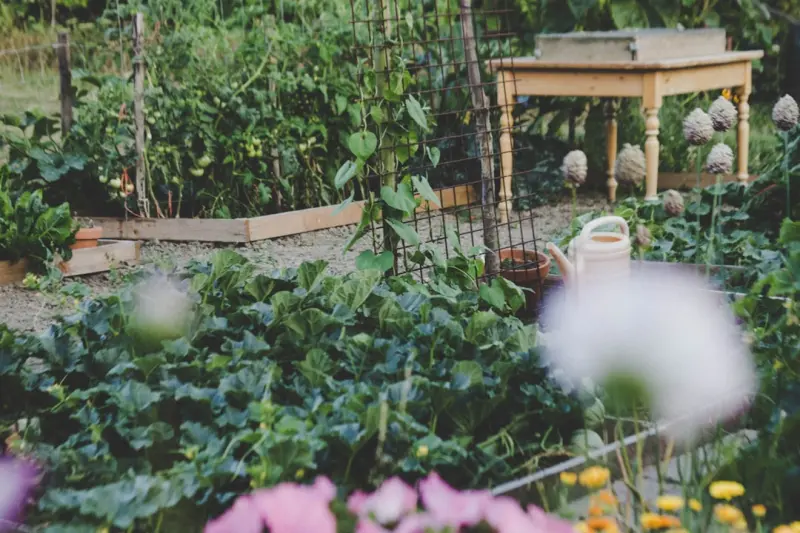
Edible Landscape Design: Grow a Garden That Feeds Both Body and Soul
Explore the art of edible landscaping—a garden that looks stunning and provides fresh, home‑grow... Read More
Top Posts

AI‑Powered Microlearning: The Silent Catalyst for Continuous Enterprise Growth
AI‑powered microlearning delivers bite‑sized, context‑aware training that adapts to each employee’s needs, driving faster skill acquisition, higher rete...Read More

Micro‑Movement Mastery: Tiny Actions, Big Health Gains
Micro‑movements—short, deliberate actions performed throughout the workday—can dramatically improve circulation, metabolism, and mental clarity. This guid...Read More

Cold Water Immersion: Unlocking a Natural Boost for Body and Mind
Explore the science behind cold water immersion, learn practical ways to add it to your routine, and uncover its mental and physical benefits for a healthier, m...Read More

Unlocking Internal Talent Marketplaces: A New Era of Employee Growth
Internal talent marketplaces match employees to internal projects in real time, fostering continuous learning, visibility, and retention while driving operation...Read More
0 Comments
Post Comment
You will need to Login or Register to comment on this post!