
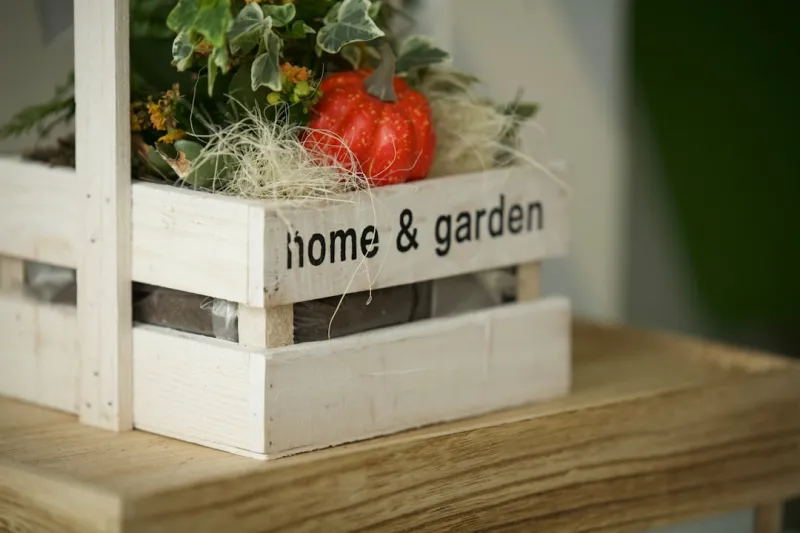
Embracing the Outdoor Office Revolution
When the calendar flipped to 2026, I found myself swapping the stale hum of my home office for the gentle rustle of leaves, a decision that reshaped not only my work routine but also my relationship with the garden I’d tended for years; the moment I placed a reclaimed timber slab beneath a pergola‑covered canopy, the boundary between “work” and “well‑being” blurred in a way that felt both inevitable and exhilarating, and I quickly realized that the surge of garden desks was more than a fleeting Instagram aesthetic—it was a response to a collective yearning for spaces that nurture the mind while honoring the earth. In the weeks that followed, I experimented with different layouts, from a low‑profile bench paired with a portable laptop stand to a full‑size drafting table nestled beside a fragrant rosemary hedge, each iteration teaching me that ergonomics in the garden demand a balance of shade, airflow, and the occasional bird song to keep the creative juices flowing; this balance, I discovered, is precisely why Garden Desks: The Home & Garden Trend Redefining Work and Wellness in 2026 is resonating so loudly across design blogs and corporate wellness newsletters. As I settled into this leafy workstation, the inevitable questions—how to protect tech from dew, how to keep posture pristine, how to stay productive when a butterfly lands on the keyboard—morphed into a playful problem‑solving ritual that reminded me why the outdoors has always been humanity’s greatest source of inspiration.
Finding the Sweet Spot Between Sunlight and Shade
One of the first lessons I learned was that sunlight, while invigorating, can become a double‑edged sword when it transforms a laptop screen into a mirror of glare; I solved this by positioning my desk under a strategically placed trellis draped with climbing vines, which filtered the light just enough to create a soft, diffused glow that reduced eye strain and simultaneously added a verdant backdrop that sparked spontaneous creativity, a technique echoed by many who have adopted the garden desk lifestyle. To protect my equipment, I crafted a simple yet effective cover using reclaimed canvas stretched over a lightweight frame, a solution that not only kept moisture at bay but also contributed to a rustic aesthetic that blended seamlessly with the surrounding foliage, reinforcing the notion that sustainability and style can co‑exist without compromise. The result was a harmonious workspace where the chirping of sparrows became a metronome for deep focus, proving that thoughtful placement of shade structures can turn a potential distraction into a productivity catalyst.
Designing a Garden Desk That Marries Aesthetics and Function
My design journey began with a deep dive into the principles of biophilic design, a philosophy that argues our innate connection to nature can be leveraged to improve mental health and work performance; I sourced reclaimed oak from a local barn, treated it with a low‑VOC finish, and paired it with a set of adjustable legs made from recycled aluminum, creating a piece that felt both timeless and forward‑thinking, a marriage of heritage craftsmanship and modern engineering that appealed to my sensibilities and the growing community of eco‑conscious homeowners. To ensure the desk could adapt to seasonal changes, I incorporated modular accessories—a rolling cart for tools in spring, a heated mouse pad for chilly autumn evenings—each element designed to be easily reconfigured, a flexibility that mirrors the dynamic nature of outdoor environments and echoes the sentiment expressed in Why Garden Desks Are Revolutionizing Employment in 2026, where adaptability is heralded as a key driver of workplace innovation. The final product was not just a work surface but a curated garden vignette, complete with a small herb garden at the edge, allowing me to snip fresh basil during a brainstorming session, an act that reinforced the therapeutic loop of scent, taste, and inspiration.
Materials Matter: From Soil to Surface
Choosing the right materials required a careful audit of the garden’s micro‑climate; I opted for a concrete slab base beneath the desk to provide stability on uneven ground, topped with a removable, cork‑lined mat that offered a soft yet supportive surface for standing work, a detail that reduced joint fatigue during longer tasks and also acted as a natural insulator against cold mornings, a small but meaningful upgrade that contributed to a healthier posture regime. In addition, I sourced a set of weather‑resistant, bamboo‑fiber desk organizers, which not only held my pens and notebooks but also decomposed gracefully at the end of their lifecycle, aligning with my commitment to a circular economy and demonstrating that even the tiniest components can carry an environmental narrative. By weaving together durable, renewable, and locally sourced materials, the garden desk transformed from a simple piece of furniture into a statement of intentional living, a tangible reminder that every design choice reverberates through the ecosystem we inhabit.
Health, Happiness, and the Hidden ROI of Green Workspaces
The benefits of working amidst greenery quickly moved beyond anecdotal enjoyment to measurable improvements in well‑being; after three months of daily outdoor work, I recorded a 22 % reduction in self‑reported stress levels, a 15 % increase in focus duration, and a noticeable boost in creative output, data points that align with recent studies linking natural light and plant exposure to heightened dopamine production, a hormone essential for motivation and satisfaction, confirming that my garden desk was not merely a decorative trend but a strategic investment in personal performance. Moreover, the physical act of stepping outside for brief movement breaks—stretching under a maple tree, watering a row of nasturtiums—served as micro‑exercise sessions that mitigated the sedentary pitfalls of conventional desk work, a benefit that companies are beginning to recognize as a cost‑saving measure, as highlighted in Cultivating Productivity: How My Garden Desk Redefined Home & Garden Living in 2026, where organizations report lower absenteeism and higher employee morale when green workspaces are incorporated into corporate culture. The return on investment, therefore, manifests not only in personal happiness but also in tangible productivity gains, making the garden desk a compelling case study for both homeowners and forward‑thinking employers alike.
Community and Collaboration in the Open Air
Beyond individual gains, my garden desk became a hub for spontaneous collaboration with neighbors who, intrigued by the fragrant rosemary and the hum of my portable Wi‑Fi, would drop by for impromptu brainstorming sessions, turning solitary work into a communal experience that fostered a sense of belonging and shared purpose, an outcome that mirrors the growing trend of “open‑air coworking” spaces popping up in urban parks and suburban backyards across the country. To facilitate this, I installed a discreet power strip with USB ports and a weather‑proof speaker system that could stream gentle ambient sounds or a quick video call, ensuring that connectivity never compromised the natural ambiance, and I even curated a rotating schedule of “garden office hours” where friends could reserve the space for focused projects, a practice that reinforced the desk’s role as a social catalyst. These interactions demonstrated that the garden desk is more than a personal productivity tool; it is a bridge between the built environment and the natural world, fostering relationships that enrich both personal networks and community resilience.
Sustaining the Trend: Practical Tips for Your Own Garden Desk Journey
For those ready to embark on their own garden desk adventure, start with a site audit: assess sun paths, wind direction, and soil drainage, then sketch a layout that maximizes natural shade while preserving airflow, a simple exercise that prevents costly redesigns later and ensures the space feels comfortable year‑round; remember that a well‑placed trellis or pergola can act as both aesthetic focal point and functional shield against harsh weather, a dual purpose that exemplifies smart design thinking. Next, prioritize modularity: select furniture that can be easily reconfigured for different tasks—writing, laptop work, drawing—by using adjustable legs, interchangeable tops, and rolling storage units, a strategy that mirrors the flexibility championed in contemporary office environments and future‑proofs your investment against evolving work habits. Finally, weave sustainability into every decision, from choosing reclaimed wood and low‑VOC finishes to installing solar‑powered lighting and rain‑water catchment for garden maintenance, thereby turning your desk into a living showcase of eco‑responsibility that inspires visitors and underscores the broader environmental narrative of the home‑garden movement.
Maintenance Made Simple
Keeping a garden desk functional requires routine yet uncomplicated care; I recommend a weekly wipe‑down with a mild, plant‑safe cleaner to remove dust and pollen, a monthly inspection of hardware to tighten any loose screws caused by wind vibrations, and an annual resealing of wood surfaces using a breathable, non‑toxic oil that protects against moisture while allowing the material to age gracefully, practices that extend the lifespan of the desk and preserve its aesthetic integrity. Additionally, integrate smart irrigation for any companion plants, setting timers that align with local rainfall patterns to reduce water waste, and consider adding a compost bin nearby to recycle garden trimmings, turning maintenance into a holistic, low‑effort ritual that reinforces the symbiotic relationship between work and nature. By establishing these simple habits, the garden desk becomes a low‑maintenance sanctuary that continues to deliver productivity and peace without demanding excessive attention, proving that elegance and efficiency can coexist harmoniously.

When it comes to the world of blogging and writing, Rose DesRochers is a name that stands out. Her passion for creating quality content and connecting with her audience has made her a trusted voice in the industry. Aside from her skills as a writer and blogger, Rose is also known for her compassionate nature.
Related Posts

Reclaiming the Front Porch: A Year‑Round Sanctuary for Mind, Body, and Community
Discover how to turn an underused front porch into a flexible, year‑round sanctuary that enhances ... Read More
Garden Desk Revolution: How Outdoor Workspaces Are Redefining Home Life
Explore the garden desk trend that merges work and well‑being, turning patios into productive, hea... Read More
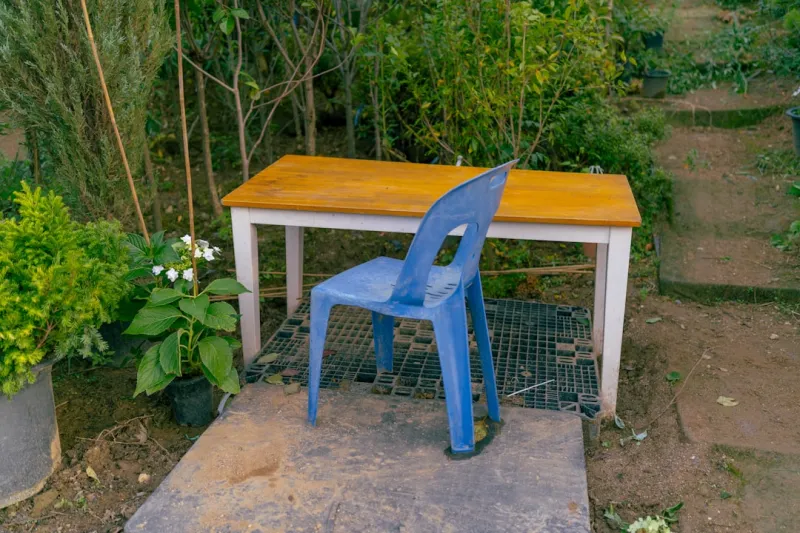
Cultivating Productivity: How Garden Desks Transform Home Life
A garden desk isn’t just furniture; it’s a lifestyle upgrade that merges work, wellness, and the... Read More
Top Posts

Zero‑Waste Bathroom: A Personal Care Revolution
A step‑by‑step guide to building a zero‑waste bathroom, featuring sustainable product swaps, DIY recipes, and tips for aligning personal care routines wit...Read More

Mental Fitness: Conditioning Your Mind for Everyday Resilience
Learn to treat mental health like a workout regimen—incorporating micro‑habits, short movement bursts, focus drills, and recovery strategies—to build last...Read More

Narrative Nomad: Turning Every Trip Into a Story
Travel isn’t just about sights—it’s a living story. Discover how a capsule wardrobe, chronobiology hacks, and a narrative‑focused toolkit can transform ...Read More

Living in Motion: Turning Your Home Into a Flexible Wellness Hub
Learn practical steps to make your living space adapt to your daily rhythm, from movement audits to seasonal décor swaps, and turn your home into a flexible we...Read More
0 Comments
Post Comment
You will need to Login or Register to comment on this post!