
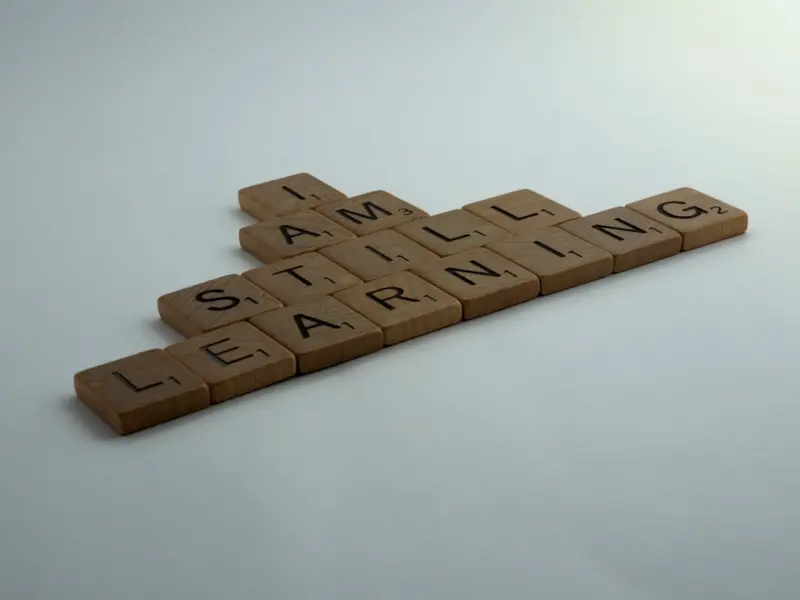
Why Skill Stacking Is the New Career Superpower
When I first stepped into the tech world, my résumé read like a traditional lit‑musical score: a degree, a few internships, and a linear progression of titles. Fast‑forward a decade, and the narrative has flipped. Today, the most coveted talent isn’t measured by the pedigree of their alma mater or the seniority of their last role, but by the breadth and depth of skill stacks they bring to the table. This shift is reshaping how companies recruit, how employees market themselves, and how entire ecosystems of work are re‑engineered.
The Decline of the Degree‑First Mindset
For generations, hiring managers used academic credentials as a reliable proxy for competence. The logic was simple: a degree guarantees a baseline of knowledge, discipline, and intellectual rigor. However, the rapid emergence of AI‑driven tools, low‑code platforms, and niche tech stacks has eroded that assumption. A graduate can spend months learning a new programming language, but a self‑taught specialist can master the same skill in weeks using interactive tutorials and community‑driven projects.
Companies that cling to degree‑first hiring are witnessing a talent bottleneck. The portfolio career model—where professionals curate a collection of project‑based experiences—has already proven its resilience. Instead of a single, monolithic résumé, employees now showcase a dynamic mosaic of competencies, each piece reinforcing the other.
Skill Stacking: Building a Career Mosaic
Think of your career as a mosaic rather than a straight line. Each tile represents a skill—data analysis, UX design, product strategy, or even soft skills like facilitation and conflict resolution. When these tiles interlock, they create a pattern that is more valuable than the sum of its parts. This is the essence of skill stacking.
- Complementary Skills: Pairing technical know‑how with business acumen (e.g., a data scientist who understands go‑to‑market strategies) makes you indispensable in cross‑functional teams.
- Cross‑Industry Transferability: Skills such as project management, storytelling, and agile methodology translate across sectors, allowing you to pivot without starting from scratch.
- Future‑Proofing: By continuously adding new tiles, you stay ahead of automation curves. When a particular tool becomes obsolete, you already have a diversified skill set to lean on.
This approach aligns perfectly with the rise of psychological safety cultures. When employees feel safe to experiment, fail, and iterate, they naturally acquire a broader skill palette.
Internal Mobility: The Untapped Engine for Skill Growth
Many organizations view internal mobility as a talent‑retention tactic, but it’s also a catalyst for skill stacking. When employees rotate through different departments—say, from product to customer success—they acquire a 360‑degree view of the business. This “networked career” experience creates a feedback loop where insights from one function inform innovations in another.
According to recent research, firms that promote internal transfers see a 30% boost in employee engagement and a 20% reduction in hiring costs. By designing clear pathways for lateral moves, companies turn their workforce into a living, breathing R&D lab for new ideas.
The Role of AI in Mapping and Accelerating Skill Development
Artificial intelligence isn’t just a productivity tool; it’s a personal career coach. Modern AI platforms can analyze your existing skill set, compare it against market demand, and suggest precise learning paths. Imagine an AI that says, “You have strong data visualization skills—pair them with a micro‑learning module on storytelling to become a data‑driven narrative specialist.”
These AI‑powered recommendations democratize career growth, removing the guesswork that once required mentorship or expensive executive coaching. They also help organizations spot skill gaps before they become performance bottlenecks, enabling proactive reskilling initiatives.
Embedding a Culture of Continuous Learning
Skill stacking thrives in environments where learning is embedded into the daily rhythm, not treated as a quarterly event. Here are three practical levers leaders can pull:
- Micro‑Learning Hubs: Offer bite‑sized, on‑demand modules that employees can complete during downtime. The key is relevance—each micro‑lesson should map directly to a current project.
- Peer‑Led Skill Swaps: Encourage team members to host short “skill‑share” sessions. This not only spreads knowledge but also reinforces the presenter’s expertise.
- Recognition of Skill Diversity: Celebrate employees who acquire cross‑functional abilities. Public acknowledgment signals that the organization values breadth, not just depth.
Practical Steps for Leaders Who Want to Champion Skill Stacking
Transitioning from a degree‑centric hiring mindset to a skill‑centric one requires intentional action. Below is a roadmap you can start implementing today:
- Revamp Job Descriptions: Replace “Bachelor’s degree required” with “Demonstrated proficiency in X, Y, Z.” Include a “skill stack” section that lists both hard and soft competencies.
- Introduce Skill Audits: Conduct quarterly surveys where employees self‑assess their skill levels and indicate areas they wish to develop.
- Leverage Internal Talent Marketplaces: Platforms where employees can browse short‑term projects across the organization, allowing them to test new skill territories.
- Partner with Learning Platforms: Negotiate enterprise licenses for AI‑driven learning tools that can personalize pathways based on each employee’s mosaic.
- Measure Impact: Track key metrics such as internal mobility rates, skill‑related project success, and employee satisfaction to validate the ROI of skill stacking initiatives.
Case Study: From Silos to Skill‑Rich Teams
One SaaS firm recently piloted a “Skill‑Swap Week” where developers spent two days working alongside the sales enablement team. The result? Developers gained a nuanced understanding of customer pain points, while sales staff learned the technical constraints that shape product roadmaps. By the end of the week, the product team shipped a feature that addressed a top‑tier client need—a win that would have taken months under a traditional siloed approach.
This experiment echoes the broader trend of networked careers, where fluid movement across functions fuels innovation and accelerates career growth.
Conclusion: Your Career Mosaic Starts Now
In an era where AI can automate routine tasks in seconds, the real differentiator is the ability to connect disparate knowledge domains into a cohesive, high‑impact narrative. Skill stacking isn’t a fad; it’s the evolutionary response to a rapidly changing talent landscape. By embracing internal mobility, leveraging AI‑driven learning, and fostering a culture that celebrates diverse skill sets, both employees and organizations can future‑proof themselves against disruption.
So, the next time you update your résumé, think of it less as a chronological list and more as a vibrant mosaic—each tile a testament to the unique value you bring to the modern workplace.

Jimmy Damon loves to right on a large scale of topics with all things Canadian as this Montreal die hard loves hockey. fishing and sports.
Related Posts
Why Financial Wellness Is the Next Competitive Edge for Employers
Financial wellness goes beyond salary, offering tools and support that reduce employee stress, impro... Read More
Unlocking Growth: How Internal Talent Marketplaces Redefine Modern Employment
Internal talent marketplaces transform static job roles into fluid, project‑based opportunities, d... Read More

Negotiating Flexible Work Contracts in the Modern Gig Economy
Discover proven strategies for negotiating flexible gig contracts, from data‑driven pricing to AIâ... Read More
Top Posts

From Garden Soil to Office Success: Rose DesRochers Redefines Home & Garden Living
Rose DesRochers shares her journey turning a garden desk into a high‑performing, eco‑friendly office, revealing the productivity and branding benefits of bl...Read More
From My Garden Desk: Jimmy Damon’s Vision for the Future of Employment
Jimmy Damon reveals why turning your garden into a home office boosts productivity, mental health, and aligns with emerging employment trends. Discover practica...Read More

Rail Revival: Why Trains Are the New Frontier for Conscious Travelers
Discover how rail travel blends sustainability, community, and mindful experiences, turning the journey itself into a destination worth savoring....Read More

Why My Garden Desk Became the Heartbeat of Home Living
A garden desk turned my backyard into a thriving creative hub, where sunlight fuels focus, nature sparks ideas, and every task feels like a breath of fresh air....Read More
0 Comments
Post Comment
You will need to Login or Register to comment on this post!