
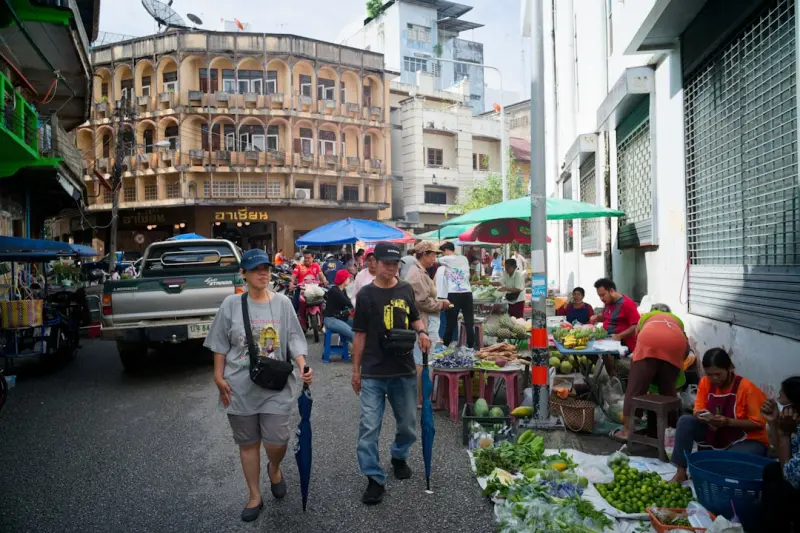
Why Food Markets Are the Real Pulse of a Destination
When I step into a bustling market square, the first thing that hits me isn’t the architecture or the guided tour brochure, but the chorus of languages, the scent of fresh herbs, and the rhythmic clatter of vendors arranging their colorful wares; in those moments the city reveals its soul in a way that museums or landmarks simply cannot match, because a market is where the everyday lives of locals intersect with the curiosities of travelers, creating a living tapestry of taste, sound, and sight that feels both intimate and expansive. This immersive experience teaches me that the true essence of a place is best understood not by standing in front of a statue, but by kneeling beside a stall, tasting a slice of locally‑grown cheese, and listening to the stories whispered over a basket of oranges, a practice that has become my favorite method for decoding culture on the road.
The Art of Listening with Your Palate
Every region has a flavor fingerprint, a combination of climate, history, and agricultural practices that manifests in its street food and market produce, and learning to read that fingerprint requires patience, curiosity, and a willingness to let your taste buds do the talking; I remember the first time I sampled a fermented fish sauce in a tiny coastal town, the sharp umami hitting my tongue like a revelation, and I realized that the same sauce had been the secret ingredient behind a centuries‑old family recipe that was still being served at the same stall my grandparents would have visited decades ago. By allowing my palate to become a conversational partner, I unlock narratives about trade routes, migration patterns, and even religious rituals that are rarely documented in guidebooks, turning each bite into a miniature history lesson that enriches my travel diary far beyond the typical photo‑filled itinerary.
Building Community Through Shared Meals
One of the most rewarding aspects of market exploration is the spontaneous camaraderie that forms when strangers gather around a shared dish, and these moments often turn into impromptu language lessons, recipe exchanges, and lifelong friendships; I once found myself sitting on a low wooden stool beside an elderly woman in a high‑altitude town, swapping stories while she taught me how to roll a perfect empanada, and that simple act of cooking together became a bridge between our disparate worlds, reminding me that food is a universal language that can dissolve borders faster than any translation app. These connections are not merely pleasant anecdotes—they’re the building blocks of a deeper, more responsible form of travel that respects local economies and honors the people who keep culinary traditions alive, encouraging visitors to become participants rather than passive observers.
How to Navigate Markets Like a Pro
Approaching a market with confidence begins with a few simple strategies that respect both the vendors and the experience; first, always arrive early when stalls are freshest and crowds are thinner, giving you the chance to greet sellers with a genuine smile and ask about the origin of their produce, which often leads to fascinating back‑stories about family farms or seasonal festivals. Second, bring a small amount of local currency and be prepared to haggle politely—this isn’t about low‑balling but about showing appreciation for the craft, and a respectful negotiation can often result in a better price and a richer conversation, turning a transaction into a cultural exchange that feels rewarding for both parties.
Seasonal Secrets: Timing Your Market Visits
The rhythm of a market is dictated by the seasons, and aligning your travel schedule with local harvest cycles can transform a routine shopping trip into a celebration of abundance; for example, visiting a mountain village during the strawberry season means you’ll find the fruit at its peak sweetness, often served in traditional desserts that have been perfected over generations, while a winter trip to a desert oasis might reveal a bounty of dates and spices that are rarely available elsewhere, offering a sensory snapshot of the region’s adaptation to its environment. By planning around these agricultural calendars, you not only taste the freshest ingredients but also witness the community’s collective anticipation and joy, an experience that adds an emotional layer to the flavors you’re savoring.
From Market to Table: Cooking Workshops on the Spot
Many progressive markets now host live cooking demonstrations where chefs transform raw ingredients into signature dishes right before your eyes, and participating in these sessions allows you to learn techniques that are often guarded secrets, such as the precise way to fold a dough for a regional flatbread or the timing required to achieve the perfect char on a street‑grilled kebab; I recently joined a workshop in a coastal market where a fisherman‑turned‑chef taught us how to fillet a fish using only a simple knife and a rhythmic motion passed down through his family, and the satisfaction of preparing my own meal with ingredients I had just purchased was unparalleled. These interactive experiences empower travelers to bring a piece of the destination home, fostering a deeper connection that lasts long after the suitcase is unpacked.
Leveraging Technology Without Losing Authenticity
While the charm of market exploration lies in its tactile, analog nature, a little digital assistance can enhance the journey without detracting from its authenticity; using a translation app for quick phrase checks, bookmarking a vendor’s social media profile for future reference, or scanning a QR code that links to a recipe video can all enrich the experience, provided they’re employed as tools rather than crutches; I often rely on a simple note‑taking app to jot down the names of spices I’m unfamiliar with, later researching them at home to recreate the flavors that captivated me abroad. Striking the right balance ensures that technology supports curiosity instead of replacing the spontaneous conversations that make markets so vibrant.
Connecting the Dots: How Markets Influence Sustainable Travel
Choosing to shop at local markets directly contributes to a more sustainable travel footprint, as you’re supporting small‑scale producers, reducing the carbon emissions associated with imported goods, and encouraging the preservation of agricultural biodiversity; each purchase becomes a vote for the continuation of heirloom varieties and traditional farming methods that might otherwise be eclipsed by mass‑produced alternatives, and this grassroots economic boost can ripple outward, empowering communities to invest in eco‑friendly infrastructure and cultural preservation projects. By integrating market visits into your itinerary, you transform ordinary sightseeing into an act of stewardship, aligning your wanderlust with a purpose that benefits both the planet and the people who call it home.
Integrating Market Adventures into Your Travel Narrative
To truly honor the impact of market experiences, I weave them into my travel storytelling by focusing on sensory details, personal interactions, and the lessons learned from each bite, rather than simply listing attractions; I often start a blog post with a vivid description of a vendor’s laugh echoing over a pile of ripe mangoes, then transition into an anecdote about how that encounter reshaped my perception of hospitality, and finally tie it back to a broader theme of cultural exchange, creating a cohesive narrative that resonates with readers seeking depth beyond surface‑level tourism. For those who want to explore this concept further, check out Turning Travel Into a Personal Innovation Lab for ideas on turning everyday moments into creative breakthroughs, or read The Joy of Unplanned Wandering to see how spontaneity can amplify the magic of market discoveries.
Final Thoughts: Making Markets Your Compass
In the end, markets are more than just places to buy food; they are living classrooms, social hubs, and sustainability engines that offer travelers a multidimensional view of a destination’s heartbeat, and by approaching them with curiosity, respect, and a willingness to engage all five senses, you unlock stories that no guidebook can capture, turning ordinary trips into unforgettable culinary pilgrimages; I invite you to pack a reusable bag, an open mind, and a hearty appetite, and let the next market you encounter become the compass that guides you toward deeper connection, richer flavor, and a more authentic travel experience.

Karen Edwards is a seasoned freelance writer with a passion for all things furry, feathered, and scaled. With a dedicated focus on pets, she brings a wealth of knowledge and a keen eye for detail to her writing.
Related Posts

Micro‑Getaways: Quick Recharge Trips for Busy Professionals
Micro‑getaways are short, intentional trips that deliver the mental reset of a long vacation witho... Read More

Narrative Nomad: Turning Every Trip Into a Story
Travel isn’t just about sights—it’s a living story. Discover how a capsule wardrobe, chronobio... Read More

Micro‑Adventure Mastery: Turning Everyday Journeys into Epic Stories
Turn a simple commute into a memorable micro‑adventure and unlock fresh perspectives, deeper conne... Read More
Top Posts

Transparent Pay Bands: How Salary Visibility Boosts Trust and Retention
Transparent pay bands give employees a clear compensation framework, building trust, enhancing retention, and supporting a culture of fairness and growth....Read More

Peer Mentorship: The Underrated Engine of Career Growth
Explore the power of peer mentorship as a catalyst for career advancement, offering actionable tips to build mutually beneficial relationships and measurable su...Read More

Eating With Your Clock: The Science of Chrononutrition
Chrononutrition reveals that when you eat matters as much as what you eat. By syncing meals with your body’s internal clock, you can improve metabolism, stabi...Read More

How AI Can Champion Inclusive Product Design
AI isn’t just a productivity booster; it can be a powerful ally in creating inclusive products. Learn practical ways to use AI for bias detection, diverse hir...Read More
0 Comments
Post Comment
You will need to Login or Register to comment on this post!